

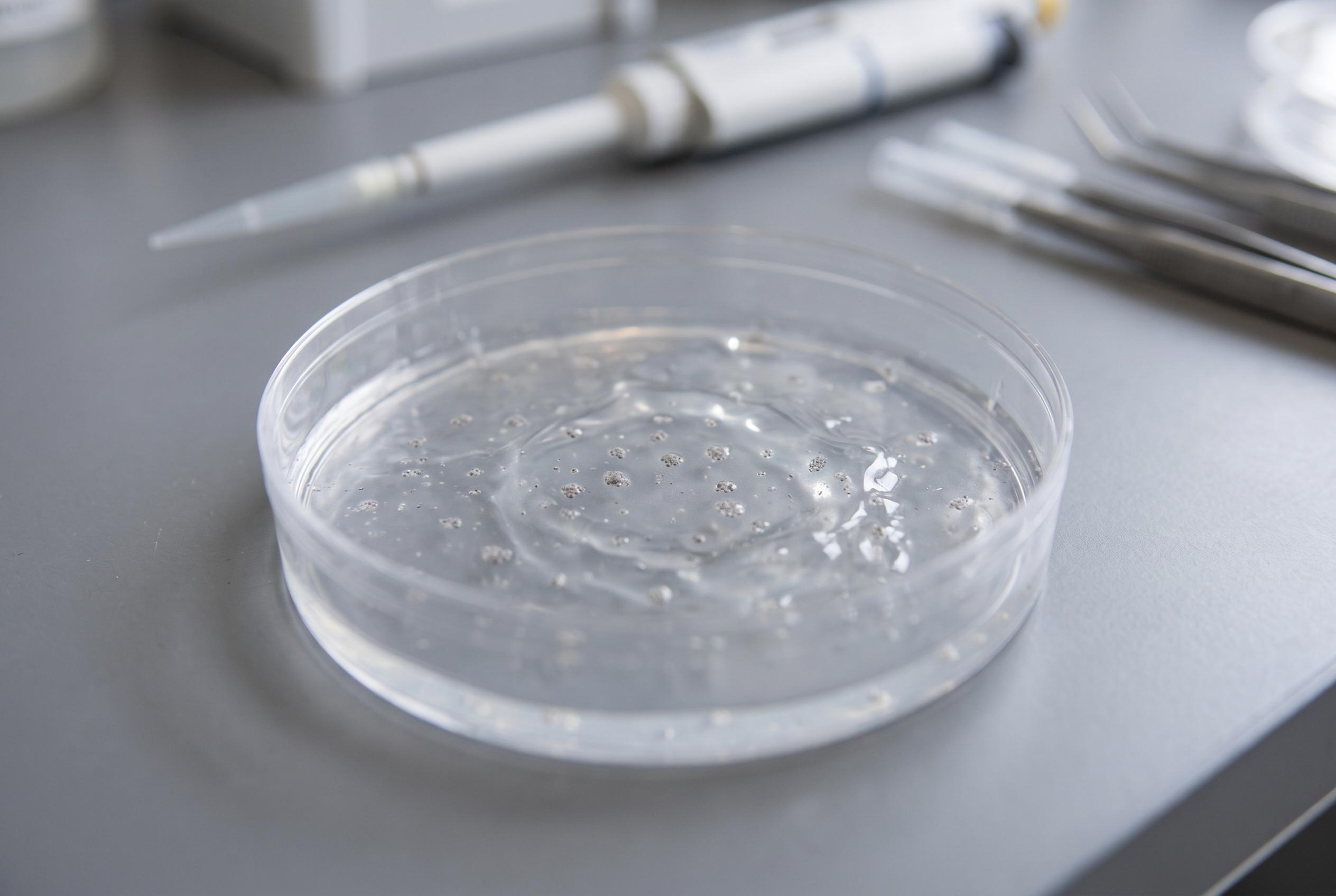

Penn State researchers have created a biomimetic hydrogel coating that shields transplanted cells from immune attack, potentially reducing the need for immunosuppressants in diabetes treatment based on recent advancements in regenerative medicine.
Penn State researchers say they have developed a hydrogel coating that could make cell therapy for diabetes safer and more durable, potentially reducing the need for immune-suppressing drugs. The method, described in Nature Biomedical Engineering and reported by News-Medical, uses a thin protective layer that the team says helps transplanted cells evade attack by the body’s immune system while still releasing insulin.
Cell therapy has long been seen as a possible route beyond daily injections for some people with diabetes, but one of its biggest obstacles has been rejection. According to the Penn State team, patients receiving donor islets, the clusters of cells that produce insulin, often need ongoing immunosuppressants to stop the immune system destroying the transplant. Those drugs can bring serious risks, including infections and, in some cases, cancer.
The new system, which the researchers call a biomimetic zona pellucida, or BZP, is designed to imitate the natural coating around egg cells. Kyungsene Lee, the study’s first author, said the idea was to recreate that ultrathin structure so therapeutic cells could be protected without losing their ability to function. The group says the coating is permeable, allowing insulin and other therapeutic molecules to pass through even as it blocks immune attack.
The work fits into a broader effort to make transplanted cells less visible to the body. Penn State has previously described other “cloak” technologies using nanostructures for optical and engineering applications, while other researchers have explored genetic editing and hydrogel encapsulation to help cells evade immune detection. Related studies, including work at the University of Arizona and the New York Stem Cell Foundation, have also pointed towards approaches that could reduce or eliminate the need for immunosuppressants in cell-based treatments.
Penn State says the development took eight years and produced a coating about 20 micrometres thick, thin enough to fit around living cells without stopping them from working. In diabetic mice, the coated islets reportedly restored blood sugar to healthy levels within a week and kept most animals diabetes-free for more than 100 days. Uncoated transplants, by contrast, generally lasted only about a week without systemic immunosuppression, the researchers said.
Yong Wang, the study’s corresponding author, said the team now wants to better define how long the protection can last and whether the platform can be adapted for other uses. He said the approach could eventually be relevant not just to diabetes, but also to immunotherapy and regenerative medicine, although much more testing is needed before any human use. For now, the findings suggest that a borrowed idea from reproductive biology may help solve one of cell therapy’s most persistent problems.
Disclaimer: This content is for informational purposes only and is not intended to be a substitute for professional medical judgment, advice, diagnosis, or treatment.