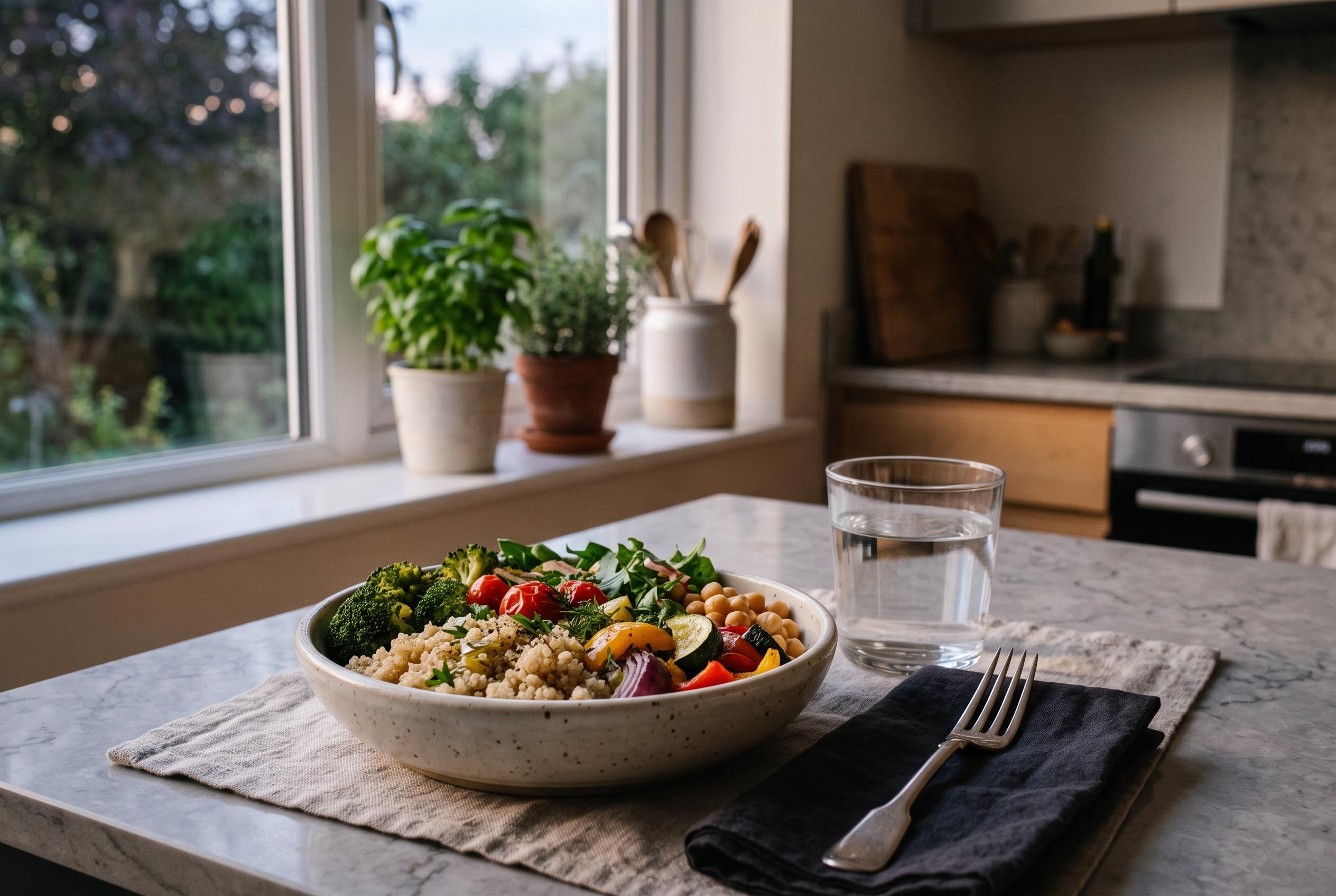

Recent advice from leading health authorities emphasises that a balanced, whole-food diet aligned with a Mediterranean style is more effective for sleep than searching for specific ‘sleep foods’. Nighttime eating habits and blood sugar management are key factors in quality sleep, with practical tips advocating light, fibre-rich meals and caution against heavy, processed, or disruptive foods and drinks.
If there is a reliable message running through the latest consumer health guidance on food and sleep, it is that supper matters more than any supposed miracle bedtime ingredient. Advice from Cleveland Clinic, Harvard Health and the Sleep Foundation broadly points to the same pattern: meals built around whole grains, vegetables, nuts, seeds, olive oil and lean proteins appear more supportive of sleep than late-night plates heavy in sugar, saturated fat and ultra-processed snacks. Harvard Health goes further, arguing that the strongest signal may come from an overall Mediterranean-style way of eating rather than from any single “sleep food”. (health.clevelandclinic.org)
That wider pattern also helps explain why blood sugar keeps appearing in sleep advice. Northwestern Medicine says combining protein with complex carbohydrates, such as fish or turkey with brown rice or quinoa, can keep blood sugar steadier overnight, while a little fat, such as peanut butter, can slow carbohydrate absorption. AdventHealth Whole Health Institute says some people wake in the middle of the night because their blood sugar drops, and suggests that if this is happening regularly, a light snack an hour or two before bed may help. (nm.org)
The practical suggestions are surprisingly modest. Cleveland Clinic recommends foods high in fibre and lower in saturated fat and simple carbohydrates, highlighting whole-grain bread, cereal, pasta, crackers and brown rice, alongside lean proteins such as chicken, turkey, fish, low-fat cheese, soybeans and pumpkin seeds. Kristin Kirkpatrick, a dietitian quoted by Cleveland Clinic, said people should “try to consume foods that calm the body, increase serotonin levels and get you ready for restful sleep”. Northwestern Medicine adds peanut butter on whole-grain bread, cheese on whole-grain crackers, fortified cereal with milk, a handful of almonds and unsweetened tart cherry juice, while AdventHealth suggests hummus with vegetables, apple slices with nut butter, or half an avocado with berries and olive oil. (health.clevelandclinic.org)
Several of the sources try to explain why these foods may help, though the evidence is stronger for overall dietary patterns than for precise mechanisms. Ohio State Health & Discovery says spinach, avocado, beans, lentils, nuts and seeds are useful magnesium sources, and notes that too little magnesium may make it harder to stay asleep. The same article says one ounce of pistachios provides about 25 per cent of the daily value of vitamin B6, which is needed for serotonin and melatonin production. The Sleep Foundation adds that pistachios contain the highest amount of melatonin within the nut family, while plain yoghurt offers calcium and, in a 100-gram serving, about 121 milligrams of it. Ohio State also points to evidence linking higher fibre intake with more restorative slow-wave sleep, possibly because fibre helps prevent blood sugar surges that may suppress melatonin. (health.osu.edu)
Harvard Health, however, offers the clearest note of caution about overstating any of this. It says a study linking a Mediterranean-style diet with adequate sleep duration and fewer insomnia symptoms is encouraging, but still observational. It also notes preliminary research suggesting milk, fatty fish, tart cherry juice and kiwi fruit may improve sleep, perhaps because of melatonin, serotonin, vitamin D or omega-3 fatty acids. But, Harvard says, these are still theories and “more rigorous research” is needed before firm conclusions can be drawn about any particular food. (health.harvard.edu)
What seems less disputed is the list of foods and drinks that can make nights worse. Northwestern Medicine advises steering clear of high-fat foods such as burgers, pizza, chips and fast food, as well as spicy foods, sugary foods and acidic items including tomatoes, citrus fruits and onions, particularly for people with gastro-oesophageal reflux disease. Ohio State says large amounts of fat can slow digestion and trigger heartburn, while spice may raise body temperature. The Sleep Foundation adds that heavy, high-fat or high-carbohydrate eating close to bedtime may make it harder to fall asleep and can worsen sleep quality. (nm.org)
Alcohol and caffeine draw the strongest warnings, but not quite the same cut-off times. Ian Katznelson, a neurologist and sleep medicine physician at Northwestern Medicine, said: “Alcohol can make you sleepy in the short term, but it can also cause disorganized sleep.” The Sleep Foundation says alcohol may help people drop off initially but can shorten total sleep time and decrease deep sleep. On caffeine, Cleveland Clinic suggests having the last cup by 2 p.m.; AdventHealth says to avoid it after 12pm; Northwestern says at least two to three hours before bed, while warning that in susceptible people “even caffeine close to noon can fragment or disorganize night sleep”; Ohio State notes that it takes about six hours to eliminate only half the caffeine from one serving; and the Sleep Foundation recommends staying below 400 milligrams a day and avoiding caffeine within four to six hours of bedtime. (health.clevelandclinic.org)
Taken together, the advice is less about chasing sedation and more about avoiding disruption. A small, balanced snack may suit some people, especially if hunger or overnight dips in blood sugar wake them, but large late meals are another matter. AdventHealth says food may take two to four hours to leave the stomach, which is one reason going to bed too full can backfire. For people with reflux, Northwestern Medicine says even a healthy bedtime snack may worsen symptoms. The most consistent takeaway is simple: keep evening eating light, high in fibre and minimally processed, and treat persistent insomnia as a medical issue rather than something a cup of tea alone can solve. (adventhealth.com)
Disclaimer: This content is for informational purposes only and is not intended to be a substitute for professional medical judgment, advice, diagnosis, or treatment.