

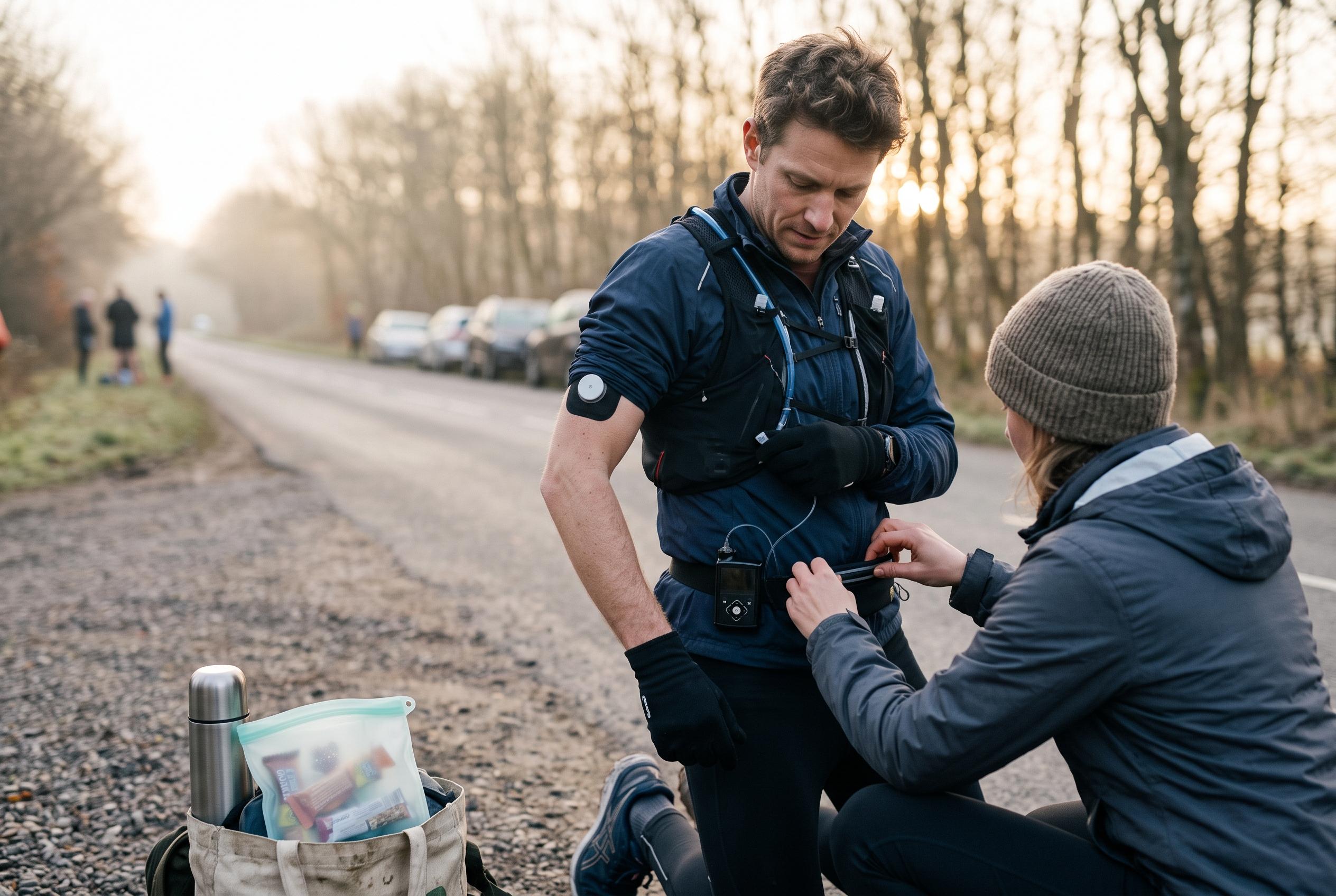

A systematic review in Sports Medicine – Open reveals that with careful planning and modern glucose monitoring, individuals with type 1 diabetes can participate safely in endurance events such as marathons and ultra-marathons, challenging previous assumptions about risks and management.
A new systematic review in Sports Medicine – Open suggests that people with diabetes, especially those with type 1 diabetes, can take part safely in marathons, ultra-marathons and other endurance races when they plan carefully and monitor their glucose closely. The review brings together more than 60 years of scattered case reports and small studies, and reaches a broadly reassuring conclusion: the main risks are real, but they can be managed with modern glucose monitoring and tailored insulin adjustments. PubMed’s summary of the paper also says the analysis found that long-distance runners with diabetes can compete safely if blood sugar is managed well.
The review, led by Lorin Braschler of the University of Zurich and colleagues, screened seven databases and narrowed 656 records to 22 studies that met its criteria. In total, the dataset covered 99 runners with diabetes, 99% of whom had type 1 diabetes. That matters because endurance exercise poses a different challenge for people who depend on injected insulin: the biggest danger is not high blood sugar alone, but a sudden fall during a race or in the hours afterwards.
Across the studies, athletes tended to accept somewhat higher glucose levels during competition as a buffer against hypoglycaemia. The review found that average HbA1c fell over time, from 8.3% in studies published before 2010 to 6.7% in those published after 2010, which the authors link to continuous glucose monitoring, insulin pumps and automated insulin delivery. PubMed’s overview of an earlier marathon study in Paris also points to the value of continuous glucose monitoring in helping runners avoid exercise-related hypoglycaemia.
The technology picture is now central to endurance sport in diabetes. Half of the runners in the review used continuous glucose monitoring, while more than a quarter used insulin pumps and many relied on multiple daily injections. The paper says there were no recorded symptomatic hypoglycaemic events during the races it examined, although some athletes spent substantial time in mild hyperglycaemia, particularly when insulin reductions were not sufficient or sensor-driven delivery systems were disrupted. A separate review on continuous glucose monitoring, published in 2017, likewise concluded that CGM can reduce hypoglycaemia and glycaemic swings while improving overall diabetes control.
Insulin strategy was another area of broad agreement. Among the studies that reported race-day adjustments, the most common approach was to cut basal insulin by about 50%, with some athletes reducing it by 70% to 80%. Carbohydrate intake during races was also carefully planned, varying by distance and event. The review’s authors say the evidence base is still small and uneven, but the overall pattern is consistent: with specialist support, people with diabetes are not simply getting through endurance events, they are competing successfully in them. More recent meta-analyses have reached similar conclusions, including one on acute hyperglycaemia in type 1 diabetes that found no major effect on aerobic performance, and another that reported careful management allows safe participation in running and cycling.
Disclaimer: This content is for informational purposes only and is not intended to be a substitute for professional medical judgment, advice, diagnosis, or treatment.



