

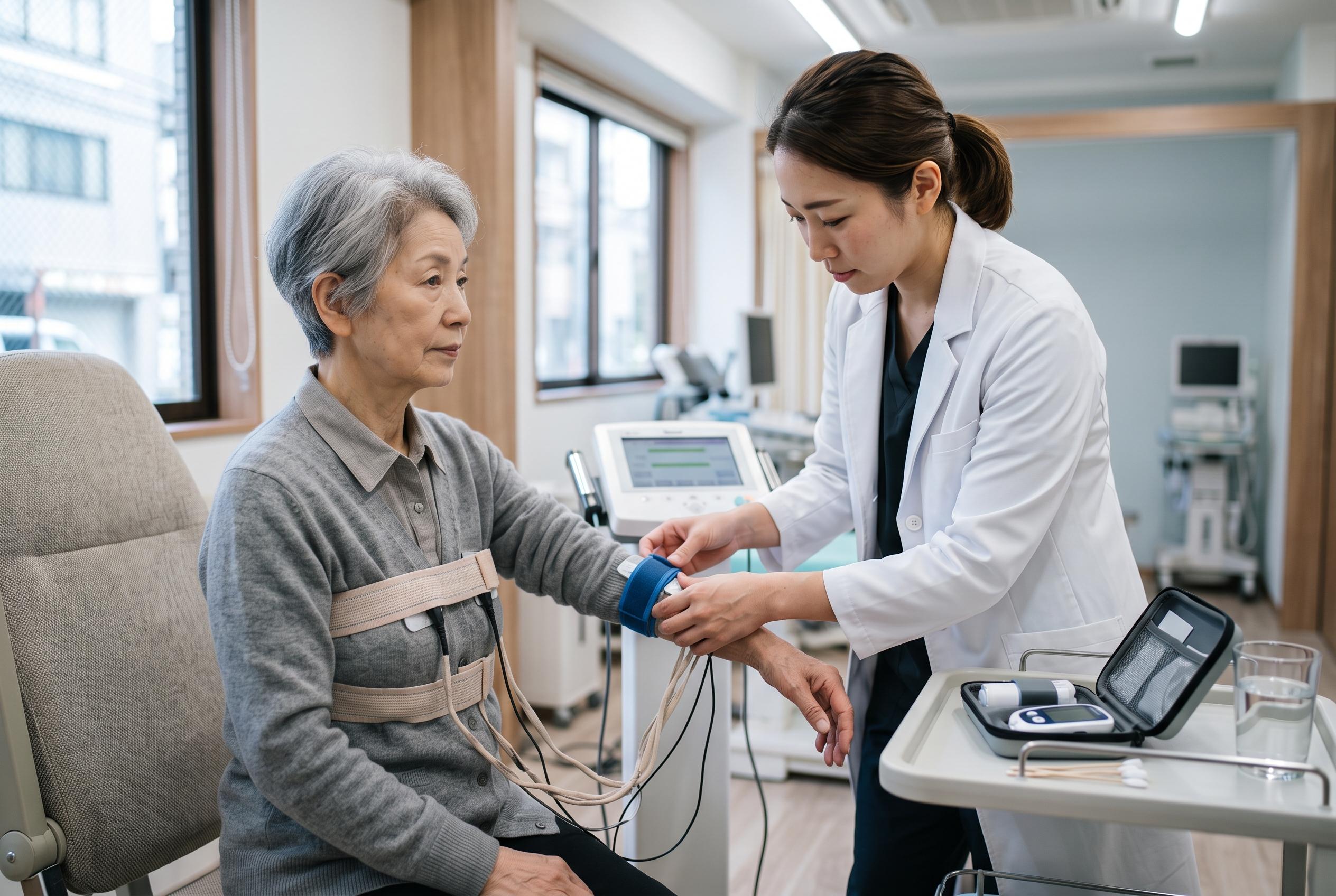

A pioneering Japanese study aims to determine whether the widely used diabetes medication tofogliflozin impacts muscle mass in lean seniors, addressing concerns about potential muscle loss linked to SGLT2 inhibitor treatment in older patients without obesity.
Japanese researchers have launched a trial to test whether a widely used class of diabetes drugs could affect muscle in lean older patients with type 2 diabetes, a group that has been under-represented in earlier studies. According to a protocol published in Diabetes Therapy, the TIGHTEN study will compare tofogliflozin, an SGLT2 inhibitor, with glimepiride, a sulfonylurea, in adults without obesity. The concern is not new: SGLT2 inhibitors lower blood sugar by increasing glucose loss in urine, which can help with weight reduction but has raised questions about whether some of that loss may come from lean tissue as well as fat.
The issue matters because sarcopenia, the age-related loss of muscle mass and strength, can increase frailty, falls and disability in older people. Earlier research has offered mixed reassurance. A Japanese study of empagliflozin in older adults found improvements in blood sugar and weight without obvious harm to muscle, but the participants still had a mean body mass index that would count as obese under Japanese criteria. More recent reviews and meta-analyses have said that SGLT2 inhibitors clearly reduce body fat, yet their effect on muscle mass and strength remains uncertain, leaving the question unresolved for leaner patients.
The TIGHTEN study is designed to address that gap directly. It is a prospective, multicentre, open-label randomised trial running at three sites in Ishikawa Prefecture, with recruitment beginning in April 2024 and completion expected in 2027. Participants must have type 2 diabetes, a body mass index below 25 and glycated haemoglobin between 7.0% and just under 10.0%. They will be randomly assigned to 24 weeks of either 20 mg of tofogliflozin once daily or glimepiride at a dose adjusted to control glucose while limiting hypoglycaemia. The main outcome is the change in skeletal muscle mass relative to body weight, measured with dual-energy X-ray absorptiometry, a scan that can distinguish bone, fat and lean tissue.
The investigators have also built in several safeguards against misleading results. Because the primary measure uses body weight as the denominator, an apparent improvement could still hide an absolute fall in muscle mass. To guard against that, the study will also track lean body mass, appendicular lean mass, fat mass and dietary intake, alongside laboratory tests, blood pressure and urinary albumin. Recruitment is modest, with 56 participants planned, but the trial is being closely monitored by an independent data centre and safety board. Even with its limits – including a short follow-up period and a focus on Japanese patients – the study could help clarify whether the muscle-loss concern is real in the lean, older people who are common in everyday diabetes care.
Disclaimer: This content is for informational purposes only and is not intended to be a substitute for professional medical judgment, advice, diagnosis, or treatment.



