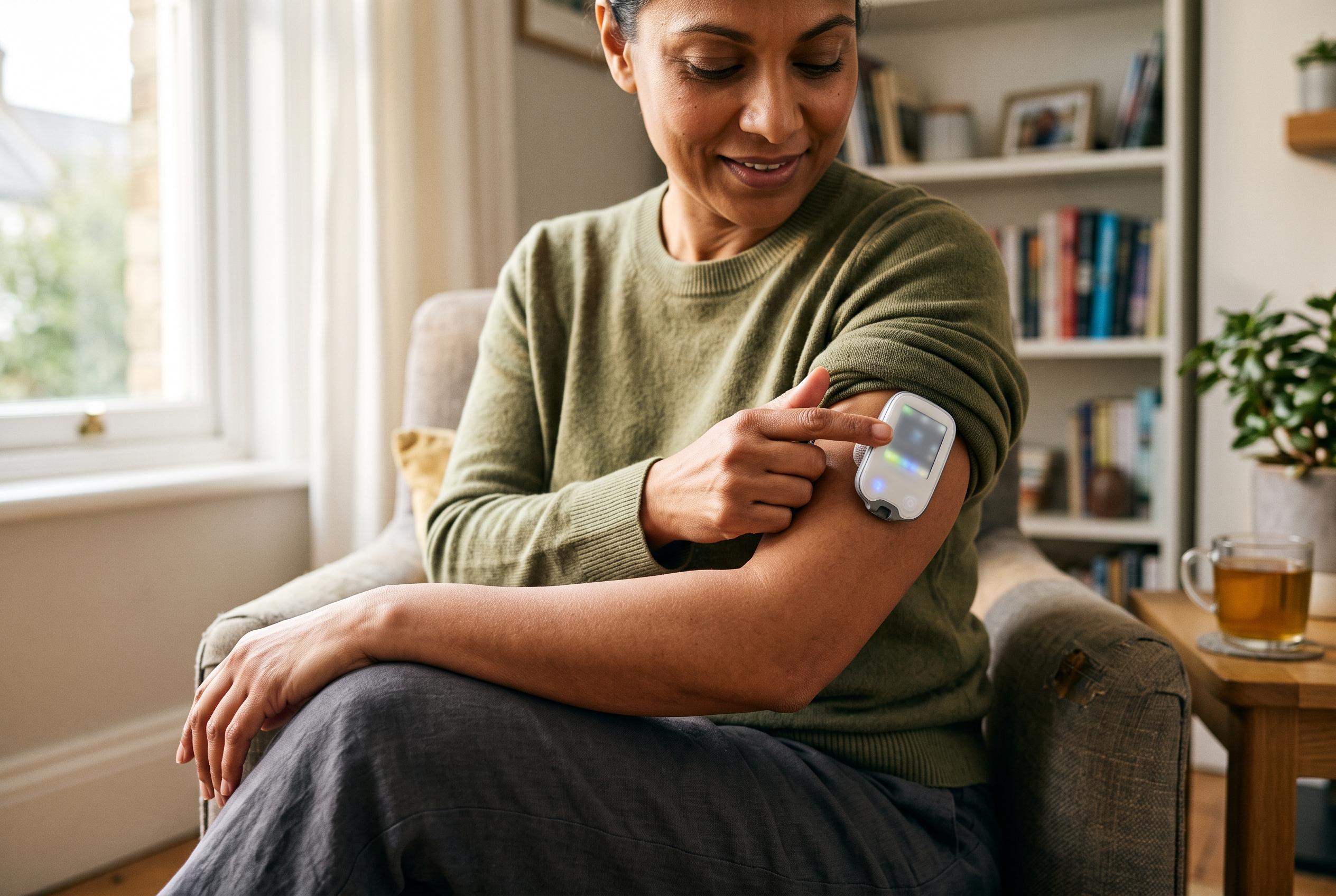

The US Food and Drug Administration has authorised the Libre Duo 10 Day system, a groundbreaking wearable that tracks glucose and ketone levels simultaneously, potentially transforming diabetic ketoacidosis prevention and management.
The US Food and Drug Administration has authorised the Libre Duo 10 Day Continuous Dual Glucose Ketone Monitoring System, a wearable device that, for the first time in the US, can track glucose and ketone levels at the same time in people aged two and older with diabetes. The agency said the system is designed to provide real-time data and wireless alerts to compatible smartphones, giving clinicians and patients earlier warning of diabetic ketoacidosis, or DKA, a dangerous diabetes complication that can become life-threatening if missed.
According to Breakthrough T1D, DKA develops when the body does not have enough insulin to use glucose properly, forcing it to break down fat and produce ketones. Common warning signs include vomiting, abdominal pain, breathing difficulty and a fruity or sweet breath odour. The condition is especially hazardous for people with type 1 diabetes, and the FDA said the new device could help detect problems before they escalate.
The authorisation also reflects a wider shift towards continuous diabetes technology. The FDA has already cleared the first over-the-counter continuous glucose monitor for adults who do not use insulin, and it has approved fully implantable and app-connected glucose monitoring systems for adults with diabetes. Libre Duo goes a step further by pairing glucose readings with beta-hydroxybutyrate, the main ketone associated with DKA, which may be particularly important for people taking SGLT2 inhibitors, a class of medicines that can raise the risk of euglycaemic DKA even when blood sugar is not markedly elevated.
Pharmacists and other diabetes specialists say that background monitoring could make prevention more practical, especially during illness or when patients are adjusting insulin. Jennifer Goldman, a pharmacy practice professor at the Massachusetts College of Pharmacy and Health Sciences, told Drug Topics that continuous ketone data could help move care away from occasional checks and towards earlier intervention. She said pharmacists are well placed to explain the device, support sick-day planning and help patients decide when to hydrate, take insulin, contact their care team or seek emergency treatment.
Disclaimer: This content is for informational purposes only and is not intended to be a substitute for professional medical judgment, advice, diagnosis, or treatment.