

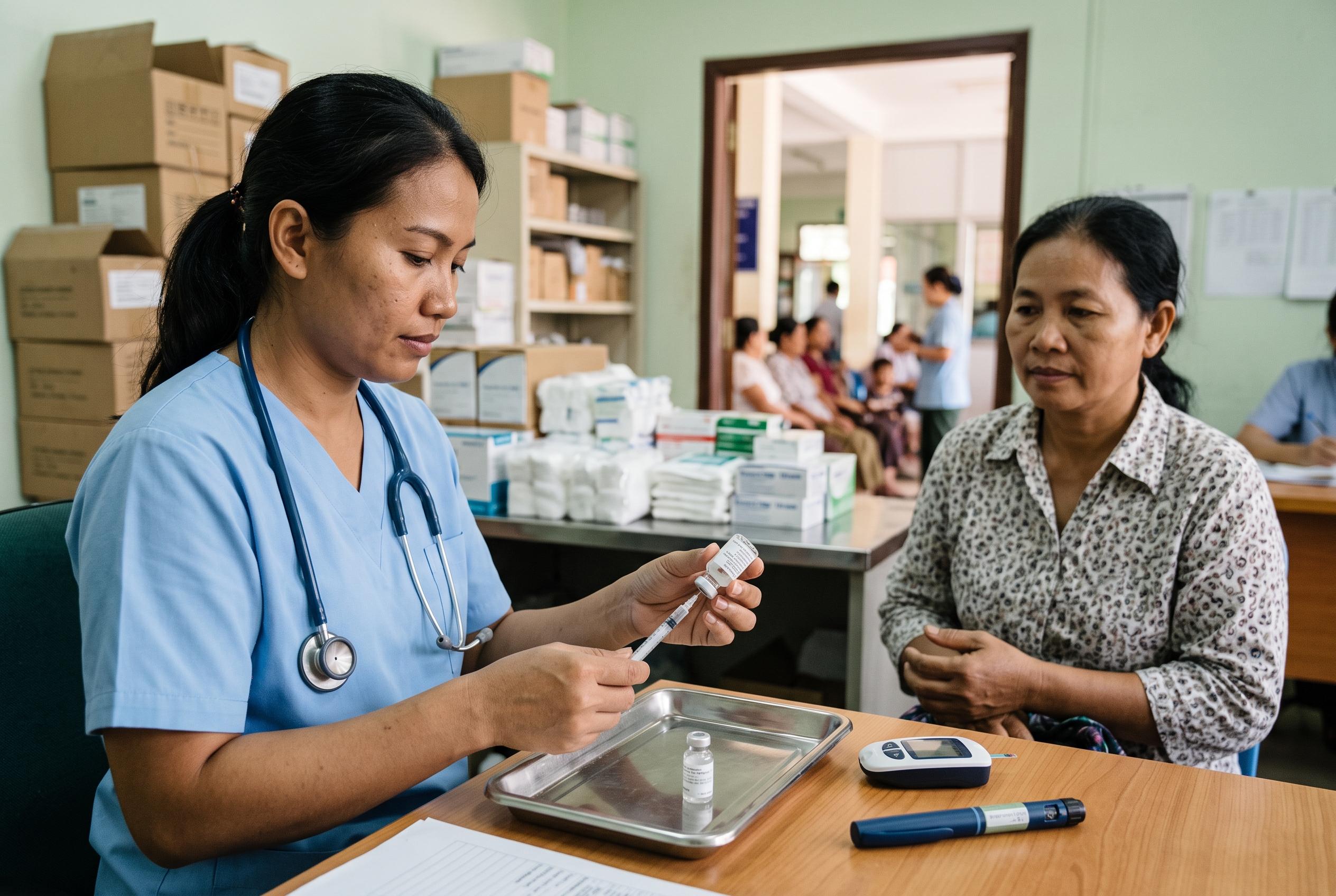

Pharmaceutical giant Eli Lilly launches an ambitious programme to extend its obesity and diabetes treatments to low- and middle-income countries by 2040, aiming to close access gaps and build lasting healthcare infrastructure.
Eli Lilly is trying to turn its dominance in obesity treatment into something larger and longer lasting: a wider global reach that stretches well beyond the richest health-care markets. In late September, the drugmaker unveiled the Lilly Change the Course Commitment, a programme aimed at treating as many patients with diabetes and obesity in low- and middle-income countries as it does in wealthier countries before 2040. According to the company, the effort is intended to close major access gaps by adapting medicines for different settings, expanding distribution and helping to strengthen local health systems.
That ambition matters because the public-health need is enormous. Lilly says most adults living with obesity and diabetes are in lower-income countries, yet access to its treatments remains far more limited there than in richer markets. The World Health Organisation has said billions of people worldwide are overweight, including hundreds of millions who are obese, while the global diabetes population is also measured in the hundreds of millions. Even allowing for overlap between those groups, the scale of potential demand suggests a market that could remain sizeable for decades if the drugs become affordable and easier to deliver.
The company’s strategy also reflects a broader shift in the anti-obesity industry. Lilly already leads the market with injectable treatments such as Zepbound, but it is also betting heavily on next-generation medicines, including oral options that could be easier to manufacture, store and distribute. Axios reported earlier this year that Lilly’s experimental obesity drug retatrutide delivered weight loss comparable with bariatric surgery in late-stage testing, reinforcing investor expectations that the company’s pipeline could keep it ahead even as competition intensifies. At the same time, Lilly executives have argued that an oral GLP-1 pill is more likely to bring in new patients than cannibalise sales of its injectables.
The latest initiative could also give Lilly something less visible but potentially more durable than a single drug franchise: infrastructure, relationships and regulatory experience in fast-growing health-care systems. The company said it plans to work with regulators, health authorities and global organisations, including by training community health workers. If that effort succeeds, it could help Lilly build a deeper presence in markets that have often been difficult for multinational drugmakers to serve at scale. That would not replace the company’s reliance on the United States and other high-income countries, but it could add a second engine of growth at a time when obesity treatment is becoming one of the most important areas in global medicine.
Disclaimer: This content is for informational purposes only and is not intended to be a substitute for professional medical judgment, advice, diagnosis, or treatment.



