

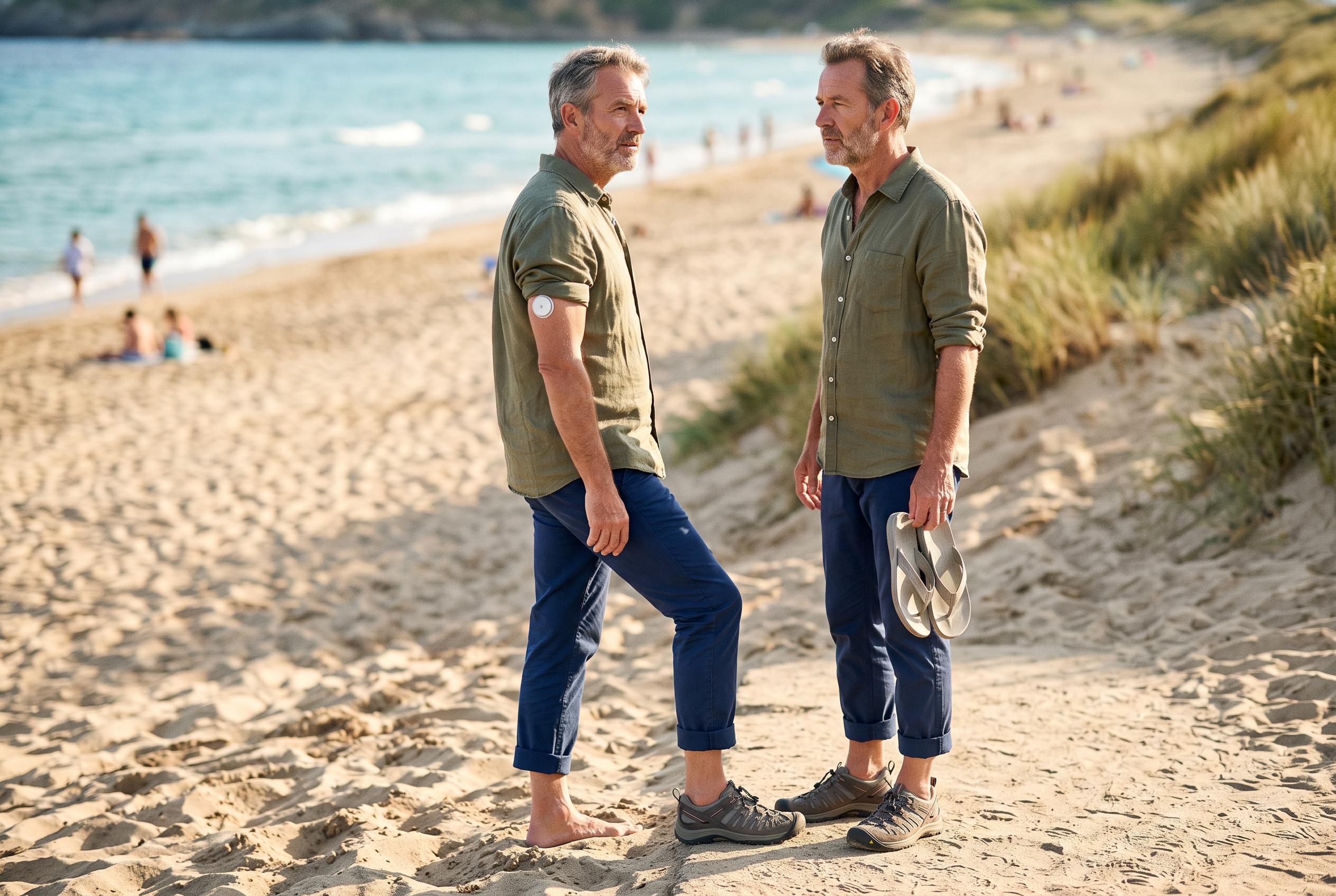

With summer travel underway, Diabetes UK and footwear brand Gentle Grip warn that walking barefoot on hot sand or beaches can cause severe foot problems for diabetics, urging protective measures to prevent infections and amputations.
People with diabetes are being urged not to go barefoot on holiday, with Diabetes UK warning that hot sand, tight shoes and minor cuts can quickly become serious problems if feet are not protected. The charity and footwear brand Gentle Grip have issued the advice as summer travel gets under way, with the guidance aimed at the estimated 120,000 people in Northern Ireland living with diabetes.
Natasha Marsland, senior clinical adviser at Diabetes UK, said high blood sugar, blood pressure and cholesterol can damage the nerves and blood vessels in the feet, reducing sensation and slowing healing. That means a blister, burn or small wound may go unnoticed and, if infection sets in, can sometimes lead to amputation. The CDC and the American Diabetes Association say the same risks make daily inspection, proper footwear and prompt treatment essential.
The new guide recommends checking shoes inside and out before wearing them, choosing breathable socks, avoiding barefoot walking even on beaches and wearing well-fitting sandals or shoes instead of flip-flops, which can rub and blister the toes. It also advises protective footwear for paddling, moisturising feet daily with an emollient cream and using sunscreen with an SPF of at least 30 and strong UVA protection. The US National Institute of Diabetes and Digestive and Kidney Diseases similarly warns against walking barefoot on hot sand or pavement and says sun protection should extend to the tops of the feet.
Diabetes UK also points people towards its Essential Checks guide and reminds patients that an annual foot check is part of routine diabetes care. The charity says that, alongside careful self-monitoring and regular professional reviews, small daily steps can help prevent problems before they become emergencies.
Disclaimer: This content is for informational purposes only and is not intended to be a substitute for professional medical judgment, advice, diagnosis, or treatment.



