

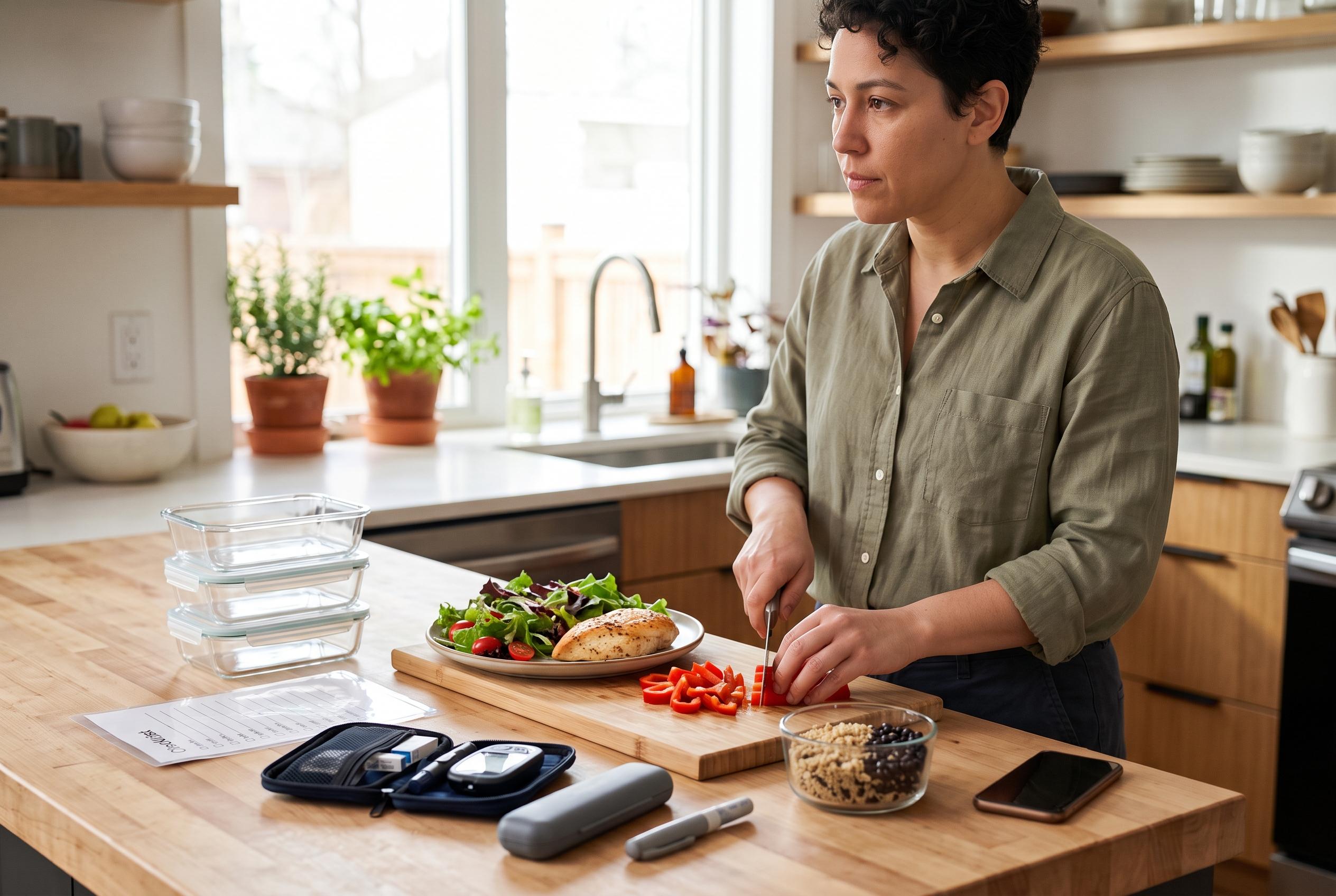

A new weekly diabetes meal plan emphasises flexibility and practical routines over rigid diets, offering personalised support for better blood sugar management.
A weekly diabetes meal plan published by Diabetes Meal Plans is built around lower-carbohydrate dishes, leftovers and a flexible approach to breakfast and snacks, as the site tries to position its service as more than a list of recipes. The latest menu highlights a slow-cooker Asian-style soup, a low-carbohydrate take on potato salad, taco soup and a fried rice-style dish adapted for people watching blood sugar. The company says the plan is designed for people with type 2 diabetes and prediabetes and is created by a nutrition doctor.
The broader idea behind that approach is consistent with mainstream diabetes advice. Cleveland Clinic says simple portion control can help many people start planning meals by using the plate method: half the plate for non-starchy vegetables, a quarter for lean protein and a quarter for carbohydrates. Healthline has similarly noted that there is no single best diet for type 2 diabetes, but that Mediterranean, DASH, vegetarian, vegan and low-carb patterns can all work when they are built around nutrient-dense foods, fibre and limited ultra-processed items.
That reflects a wider shift away from rigid “diabetic diets” towards meal patterns that can be adjusted for different tastes, budgets and medication plans. MyNutriCart says physician-designed plans for type 2 diabetes often focus on moderating carbohydrate intake while still including healthy fats, protein and low-glycaemic foods such as legumes, whole grains and non-starchy vegetables. Nutrition.io makes a similar point, arguing that several dietary approaches can be effective if they reduce glycaemic load, increase fibre and protein, and cut back on highly processed food.
Diabetes Meal Plans also says its membership includes shopping lists, prep notes, recipe libraries, cooking classes and monthly check-ins with its nutrition team. That model is aimed at making adherence easier, particularly for people who want structure without having to build every meal from scratch. The underlying message is straightforward: for many people with diabetes or prediabetes, success is less about following one perfect diet than about finding a practical routine that can be repeated week after week.
Disclaimer: This content is for informational purposes only and is not intended to be a substitute for professional medical judgment, advice, diagnosis, or treatment.



