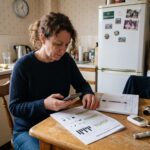


A nurse-led educational programme using plain language and teach-back methods significantly enhances understanding and self-management of diabetes among uninsured Hispanic adults, reducing communication barriers in a non-profit mobile clinic setting.
Health literacy is more than the ability to read medical information. The Centers for Disease Control and Prevention says it also depends on whether health systems explain that information clearly enough for people to use it in daily life. That shift matters for patients managing diabetes, where understanding medicines, glucose checks, diet and follow-up care can affect outcomes. When information is confusing or given in unfamiliar language, even routine instructions can be misunderstood or forgotten.
That challenge was visible at Good Samaritan Health Services, a non-profit mobile clinic serving uninsured people in north-eastern Oklahoma. The clinic recorded 476 missed appointments among established patients from January to July 2025, and many patients said they had not fully understood appointment details or why follow-up mattered. In a later screening of 40 patients, 37 needed a translator to understand the question and 37 scored above the cut-off for limited health literacy, suggesting substantial communication barriers in a population already facing limited access to care.
To address that gap, a nurse-led project focused on uninsured Hispanic adults with limited English proficiency and poorly controlled type 2 diabetes. Guided by Roy’s Adaptation Model, the programme used three two-hour education sessions delivered during routine clinic visits. A nurse educator, a volunteer nurse, a Spanish-speaking translator and the director of nursing used plain language, culturally sensitive teaching and the teach-back method, in which patients repeat information in their own words to confirm understanding. The teaching covered blood glucose monitoring, medicines, lifestyle changes and day-to-day self-management.
The results were striking. Fifteen patients took part between January and March 2026. Before the classes, they answered an average of 45% of health literacy questions correctly; afterwards, that figure rose to 80.5%. The findings add to earlier research cited by the CDC and in a 2019 systematic review showing that teach-back can improve understanding and self-management. For nurses and safety-net clinics, the project suggests that simple, culturally adapted communication tools can improve comprehension, support chronic disease management and may help reduce missed visits.
Disclaimer: This content is for informational purposes only and is not intended to be a substitute for professional medical judgment, advice, diagnosis, or treatment.