

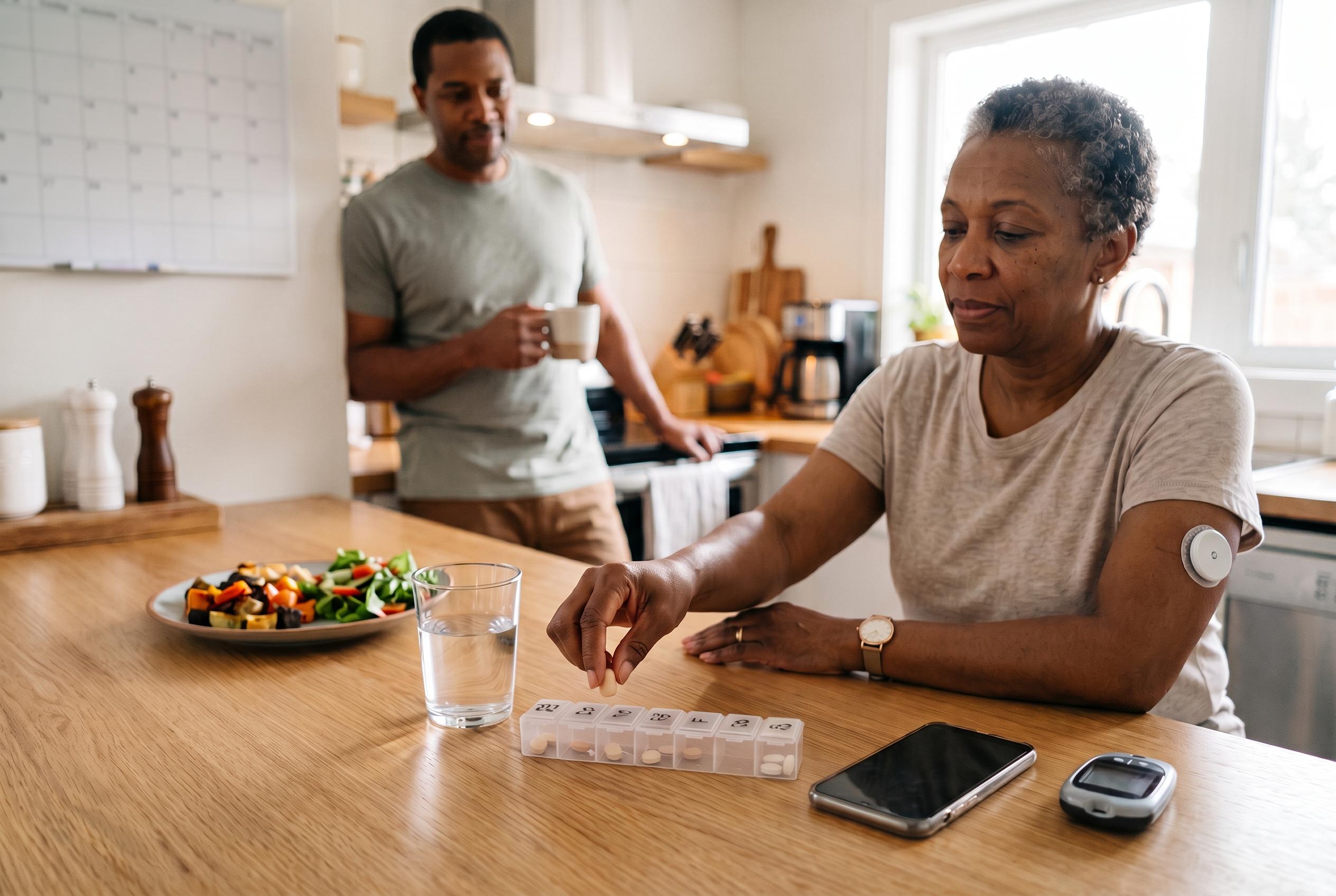

Clywedog Therapeutics’ innovative oral diabetes medication, balomenib, shows promising long-lasting effects in adults with type 2 diabetes, paving the way for a potential new disease-modifying treatment.
Clywedog Therapeutics says its experimental oral diabetes medicine balomenib produced benefits that persisted after treatment stopped, in a Phase Ib study in adults with type 2 diabetes. According to Clinical Trials Arena, the placebo-controlled trial found that reductions in HbA1c, a measure of average blood sugar over time, and fasting plasma glucose remained visible during follow-up, strengthening the company’s case that the drug may do more than offer a short-lived glucose-lowering effect.
The study enrolled 60 adults across three countries and used a double-blind, randomised design, with participants assigned equally to balomenib or placebo for 28 days. Treatment included a one-week titration period before dosing, followed by 12 weeks without the drug. By week 12, three months after the final dose, the placebo-adjusted mean fall in HbA1c was 0.77 percentage points, while the reduction was 0.70 percentage points by week 16. Fasting plasma glucose was also lower by a placebo-adjusted 1.29 mmol/L, or 23 mg/dL, at week 12. Clinical Trials Arena said an oral glucose tolerance test on day 85 showed additional placebo-adjusted improvements in total glucose exposure, peak glucose and two-hour glucose.
The company said the treatment and placebo groups were broadly matched at the start of the trial, with baseline HbA1c averaging 8.84% in the balomenib arm and 8.52% in the placebo arm. Participants were taking as many as three background diabetes medicines, excluding insulin. Importantly, Clywedog reported no unexpected drug-related adverse events, no serious adverse events and no treatment-related dropouts. The firm’s chief executive, Iain Dukes, said the most striking finding was that a short course of treatment appeared to deliver sustained glycaemic improvement, which he described as consistent with a disease-modifying effect. He added that blocking menin signalling had appeared to affect both insulin sensitivity and insulin secretion.
Clywedog now plans to move into a Phase IIa randomised, double-blind, placebo-controlled study in the fourth quarter of 2026, with a longer 12-week treatment period and follow-up after dosing ends. The result comes as drug developers continue to look for oral diabetes therapies that work through mechanisms beyond the well-established insulin and GLP-1 pathways. Clinical Trials Arena has recently reported on other experimental oral approaches, including LGD-6972 from Ligand Pharmaceuticals, TTP399 from vTv Therapeutics and TTP273, which were all positioned as attempts to broaden the treatment options available for type 2 diabetes.
Disclaimer: This content is for informational purposes only and is not intended to be a substitute for professional medical judgment, advice, diagnosis, or treatment.



