
The University of Florida Diabetes Institute launches an on-campus screening event at the Plaza of the Americas, aiming to detect Type 1 diabetes early among students and complement ongoing education and support efforts.
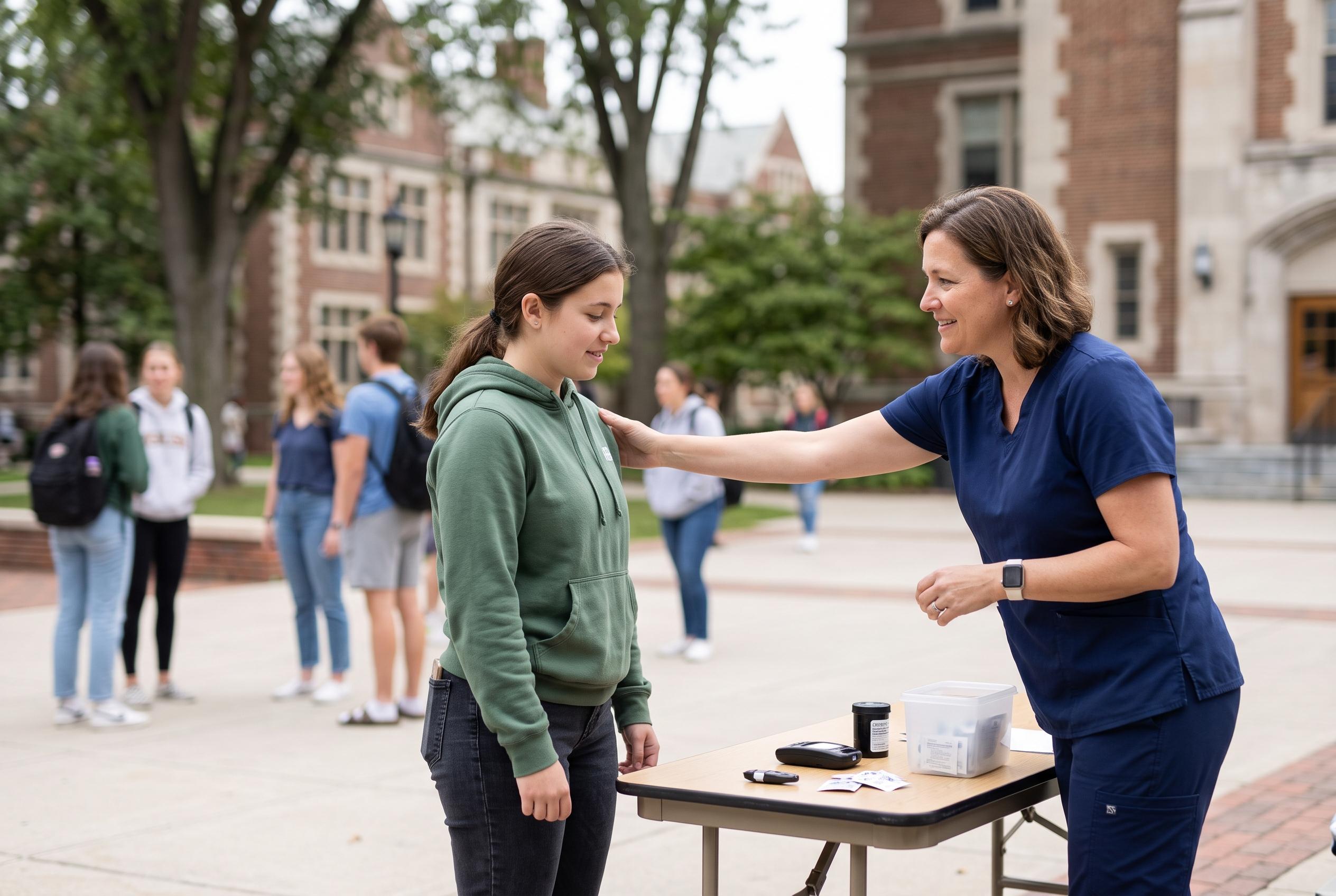
The University of Florida Diabetes Institute has begun taking Type 1 diabetes screening directly to students, setting up an on-campus event at the Plaza of the Americas on 24 August in partnership with the university’s STEPS programme. The initiative is aimed at a condition that often goes undetected in young adults, despite the fact that early identification can help prevent diabetic ketoacidosis, or DKA, a serious and potentially life-threatening complication.
UF says the screening effort is part of a broader push to bring testing, education and support into everyday settings where students are already present. The institute’s STEPS programme is designed to combine population screening with personalised education, primary-care training and research. According to the university, the programme has screened more than 10,000 people at elevated risk of Type 1 diabetes and has contributed to substantial savings through earlier diagnosis and better management.
The approach reflects a wider shift towards catching Type 1 diabetes before symptoms become severe. In 2025, UF Health helped lead international guidance calling for broader screening of children and adolescents before clinical signs appear, while the university’s TrialNet Pathway to Prevention offers free blood testing for people at higher risk, including those with a family history of the disease. TrialNet also follows participants who test positive for diabetes-related autoantibodies, helping to track risk over time and connect volunteers with research.
The screening effort also sits alongside other university-based support programmes. At the University of Central Florida, a Type 1 diabetes group offers monthly meetings focused on practical skills such as glucose monitoring, carbohydrate counting and exercise, showing how campus health systems are increasingly trying to combine detection with day-to-day support for students living with the condition.
Disclaimer: This content is for informational purposes only and is not intended to be a substitute for professional medical judgment, advice, diagnosis, or treatment.