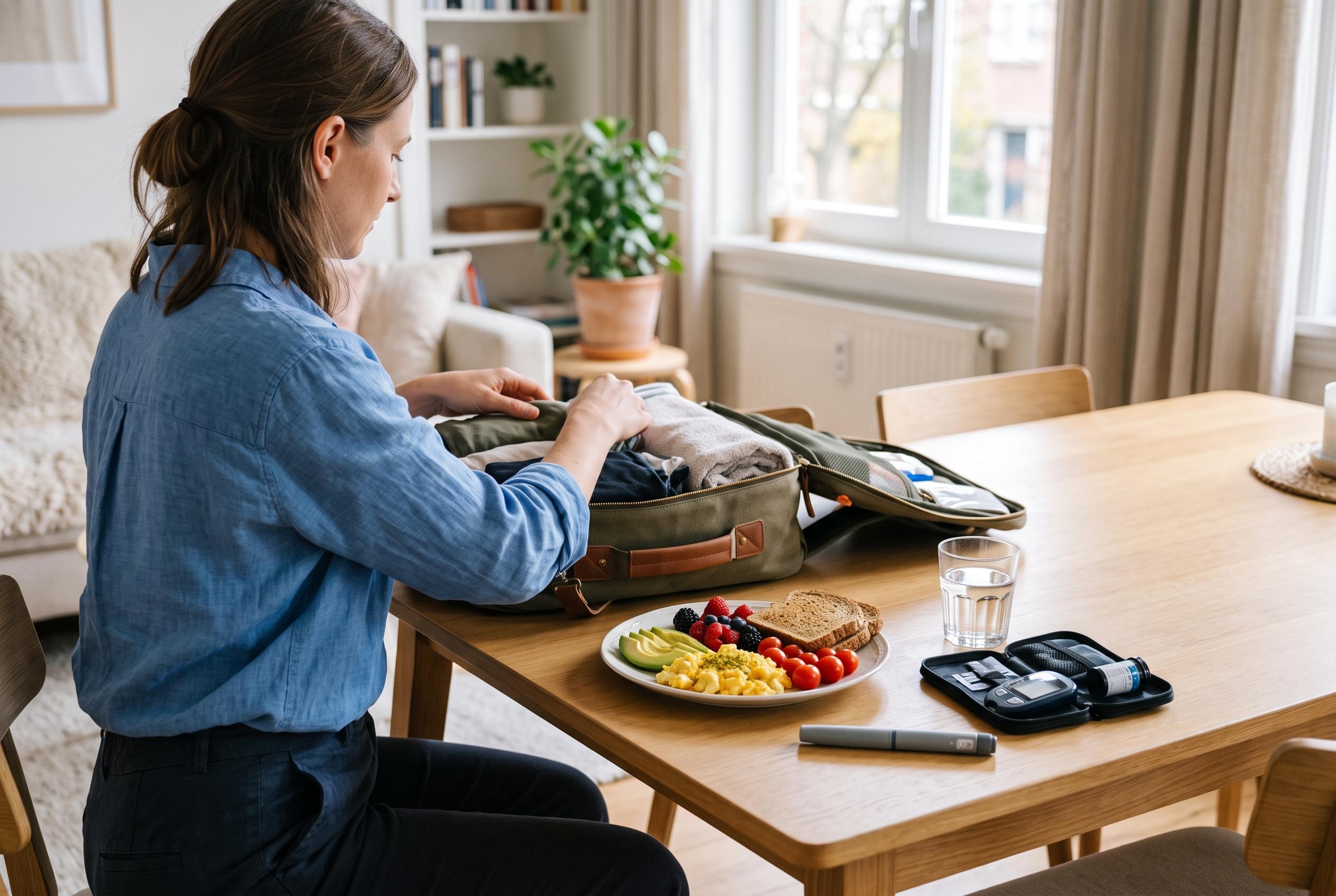

Experts emphasise the importance of comprehensive planning, emergency supplies, and personalised health measures to ensure safe travel for those managing diabetes, highlighting recent guidance on preparedness for trips abroad or longer journeys.
Travelling with diabetes calls for more than a packed suitcase and a fixed itinerary. Changes in meal times, sleep patterns and activity levels can all affect blood glucose, so experts stress that preparation is central to staying well on the road. People reported that planning ahead and keeping essential supplies close at hand can help reduce the risk of unexpected complications during holidays or longer trips.
At the heart of that preparation is a diabetes emergency kit. That means carrying enough insulin or tablets for the trip, plus extra in case of delays, along with a glucose meter, test strips and spare batteries or charging equipment. Healthline says the kit should also include a fast-acting source of sugar, such as glucose tablets or juice, to treat sudden lows quickly.
Medical identification is another key item. Healthline and Johns Hopkins Medicine both advise carrying a card, bracelet or note that clearly states the traveller has diabetes, along with medication details and an emergency contact. Johns Hopkins also recommends bringing a letter from a clinician setting out the person’s treatment plan, which can be useful if help is needed away from home.
Storage and transport matter too. The US Centers for Disease Control and Prevention advises keeping diabetes supplies in hand luggage rather than checked bags and taking extra medication to cover the journey. It also notes that people who use insulin pumps or continuous glucose monitors should ask about hand inspection at airport security to avoid possible damage from screening equipment. GoodRx similarly recommends planning for temperature control, particularly for insulin, which can be affected by heat or cold.
Food and hydration are part of the same safety plan. The CDC suggests packing healthy snacks and drinking enough water, while Cleveland Clinic recommends simple options such as nuts, fruit or salads to help avoid long stretches without food. For people with diabetes, foot care is also important: Johns Hopkins and WebMD both advise carrying basic wound-care items and taking care to prevent blisters, cuts and infections that can escalate more quickly in people with diabetes.
The wider message from the medical guidance is consistent: do not leave travel preparation until the last minute. A well-stocked kit, extra medication, reliable monitoring tools and a plan for meals and emergencies can make summer travel safer and far less stressful for people managing diabetes.
Disclaimer: This content is for informational purposes only and is not intended to be a substitute for professional medical judgment, advice, diagnosis, or treatment.