

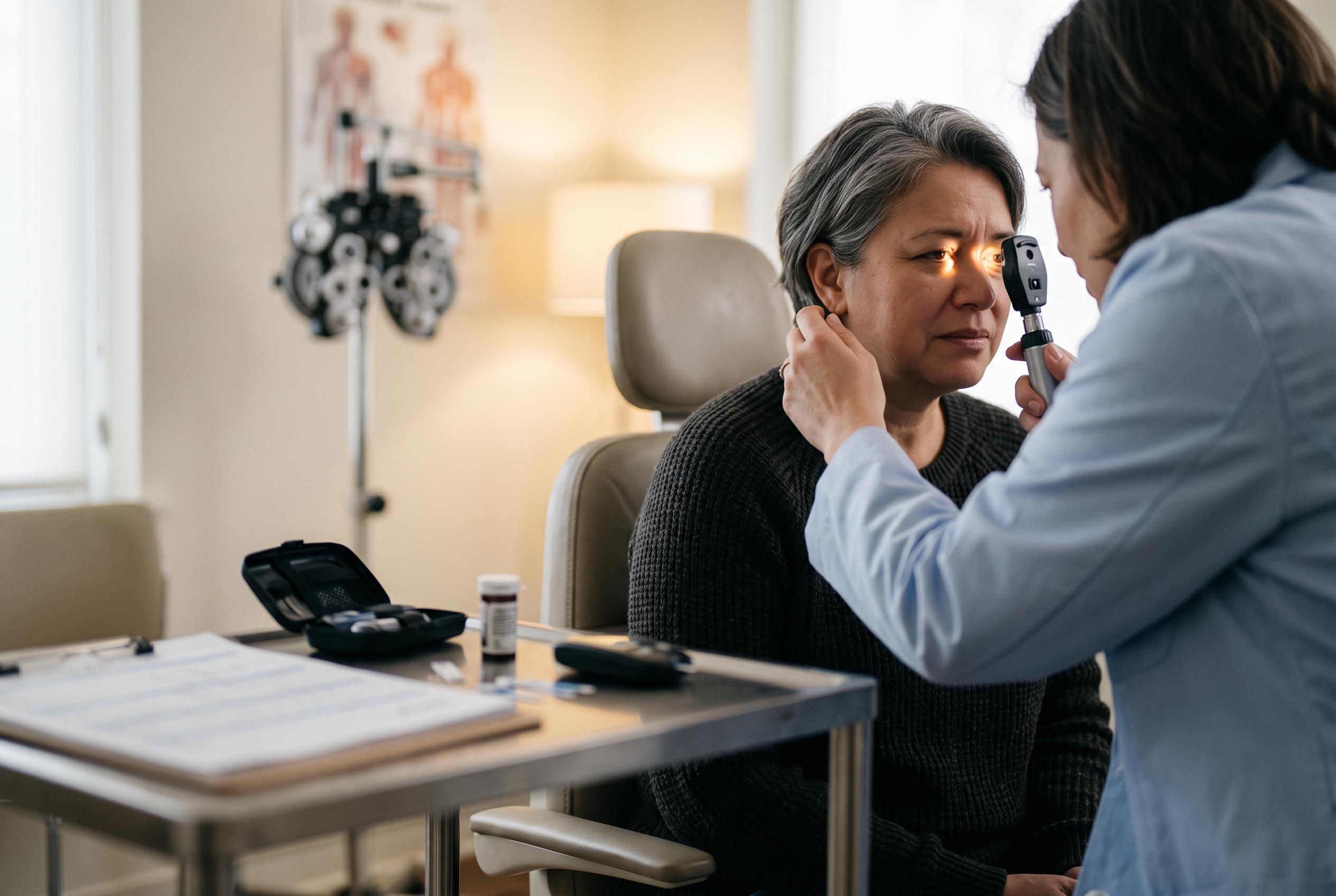

Experts highlight that blurred vision, often dismissed as tiredness or screen fatigue, can be an early sign of diabetes. Regular eye checks could help detect the disease before irreversible damage occurs.
A subtle change in vision should not be dismissed, as specialists say blurred sight can be one of the earliest and easiest-to-overlook signs of diabetes. Chien Wong, a consultant ophthalmic surgeon and director at OCL Vision, said people should have any unexplained visual change assessed by a health professional, because the symptom can appear before diabetes is diagnosed.
According to Wong, the blurring can happen when blood sugar rises and the lens inside the eye swells, although the same effect can also occur when blood sugar falls too low. The result may be temporary, but it can affect one or both eyes and is often the kind of symptom people put down to tiredness, screen use or needing a stronger glasses prescription.
The greater concern, he said, is the damage caused by persistently high blood sugar at the back of the eye. The Centers for Disease Control and Prevention says diabetes can damage the tiny blood vessels in the retina, the light-sensitive layer at the back of the eye, causing them to leak fluid and leading to swelling. Over time, that can develop into diabetic retinopathy, a major cause of vision loss in working-age adults, and, if it worsens, more serious complications including bleeding, retinal detachment and glaucoma.
The CDC says regular eye examinations are important because early treatment can slow damage and help protect sight. Treatment may include laser therapy, medicines or surgery, depending on the problem. Harvard Health and Healthline both note that cataracts, glaucoma and macular oedema can also blur vision in people with diabetes, while blurry sight may be accompanied by floaters, difficulty seeing at night, colour changes or distorted vision.
Wong said the eyes can offer a useful warning about wider health problems. “The reason we push so hard for people to get their eyes checked regularly isn’t just about the eyes themselves, it’s that the retina gives us a direct window onto what is happening throughout the body,” he said. “If we spot the damage while it’s still at an early stage we have a real chance of protecting someone’s sight for good.” He added that waiting until vision has already changed noticeably can mean some damage is no longer reversible.
Type 2 diabetes is diagnosed with a blood test that measures blood sugar levels, and other symptoms can include increased thirst, frequent urination, tiredness, unexplained weight loss, slow-healing cuts, itching around the genital area and recurring thrush. Eye specialists say that because blurry vision can also point to other serious conditions, including stroke, retinal detachment, brain tumour, glaucoma and macular degeneration, any persistent or unexplained change should be treated as a medical issue rather than ignored.
Disclaimer: This content is for informational purposes only and is not intended to be a substitute for professional medical judgment, advice, diagnosis, or treatment.



