

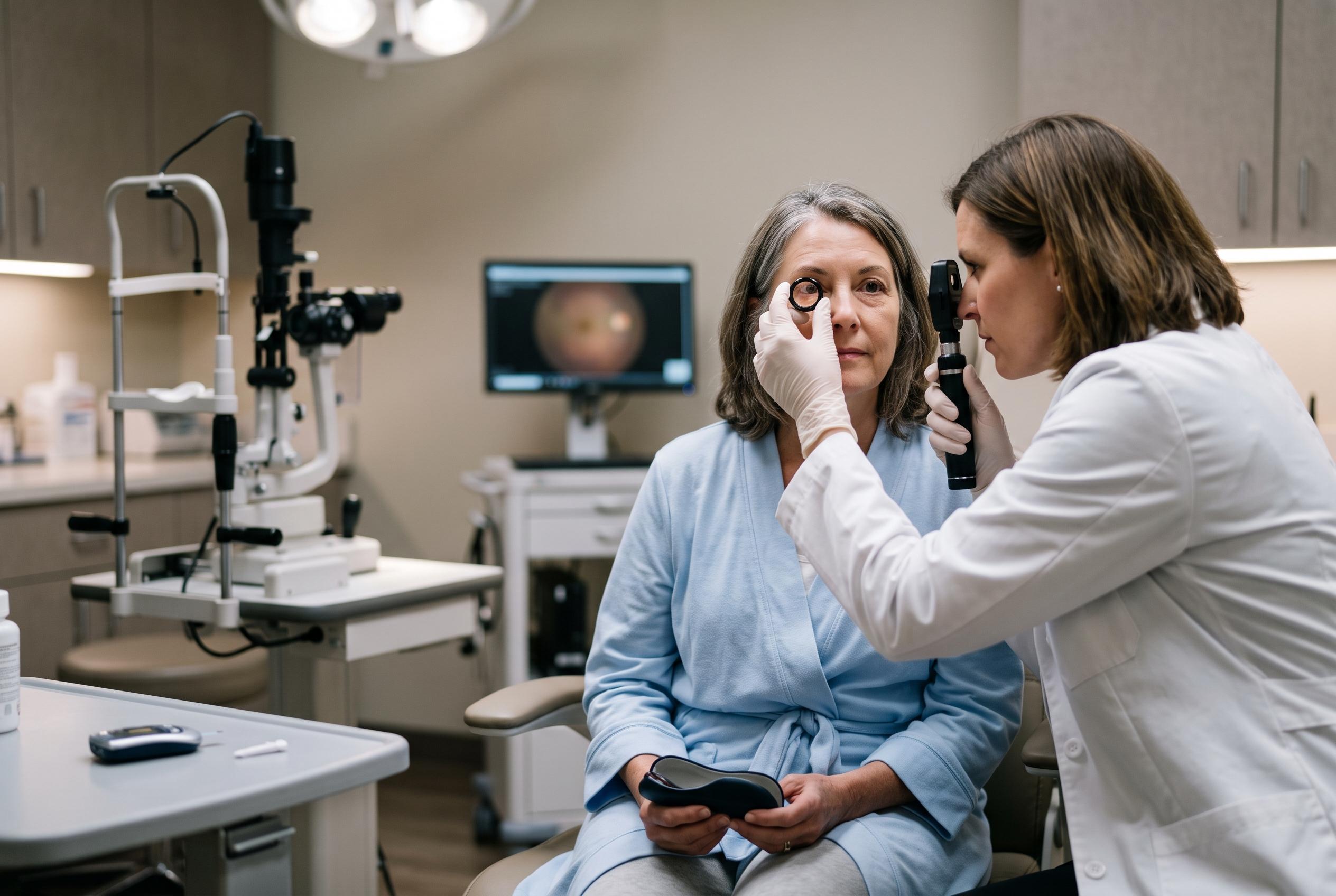

A new study highlights that while diabetic patients achieve comparable visual acuity after cataract surgery, their retinas remain more susceptible to swelling and disease progression, emphasising the need for comprehensive retinal assessment and monitoring.
Cataracts remain the world’s leading cause of vision impairment and blindness, according to the World Health Organization, and they are especially common in older adults and people living with diabetes. A study from King Khaled Eye Specialist Hospital in Riyadh adds to that picture by showing that, although diabetic patients can recover visual acuity after cataract surgery at rates similar to those without diabetes, their retinas may remain more vulnerable to swelling and disease progression.
In this retrospective review, researchers compared 100 diabetic eyes with 100 non-diabetic eyes after phacoemulsification, the modern form of cataract surgery that uses ultrasound to remove the cloudy lens through a small incision. The two groups started from broadly similar levels of pre-operative vision, and final vision was also comparable. Yet the diabetic group had more hypertension and much higher HbA1c levels, which is a marker of longer-term blood sugar control, reflecting the broader health burden carried by many patients with diabetes.
The clearest difference appeared on retinal imaging. Diabetic eyes had greater central macular thickness, more macular oedema and a small but measurable rate of diabetic retinopathy progression during follow-up, while none of the non-diabetic eyes showed progression. That matters because the macula is the part of the retina responsible for sharp central vision, and swelling there can limit recovery even when the cataract has been successfully removed. The findings support earlier work suggesting that good visual acuity after surgery does not always mean the retina has fully recovered in structural terms.
The study also found no meaningful difference in outcomes based on surgeon grade, with consultants, residents and fellows all achieving broadly similar results and complication rates. That suggests modern cataract surgery protocols can deliver consistent results across levels of experience when performed in a structured tertiary setting. The researchers also looked at whether pre-operative HbA1c appeared to influence improvement after surgery, but visual gains were broadly similar across blood sugar categories in this cohort.
The authors say the results point to the importance of careful retinal assessment before surgery and close monitoring afterwards in patients with diabetes. They also note that cataract surgery can still offer substantial functional benefit in this group, but that clinicians should not rely on visual acuity alone when judging recovery. In diabetic patients, the retina may need as much attention as the lens.
Disclaimer: This content is for informational purposes only and is not intended to be a substitute for professional medical judgment, advice, diagnosis, or treatment.