
Childhood endocrine conditions, especially type 1 diabetes, are frequently diagnosed late in Kenya, leading to preventable health crises. Experts call for increased awareness and school-based detection to mitigate the rising global and local burden.
In Kenya, childhood endocrine disorders are often overlooked until they have already caused serious harm, with type 1 diabetes standing out as the most urgent concern. A report cited by The Standard says the country ranks 44th out of 113 low- and middle-income countries for type 1 diabetes among children and young people, with about 6,500 living with the condition. In 2024, there were 1,380 new diagnoses and 570 deaths among under-20s, a toll that health specialists say was largely avoidable.
The scale of the problem is part of a wider global rise in diabetes. International Diabetes Federation estimates show that in 2024 there were about 9.15 million people worldwide living with diagnosed clinical type 1 diabetes, including 1.81 million under 20. The same source says 503,000 new cases were diagnosed across all ages that year, with 219,000 among children and young adults. Researchers and clinicians say this makes early recognition more important, not less.
Type 1 diabetes is an autoimmune disease in which the body attacks the pancreas and shuts down insulin production. The symptoms can be plain enough , extreme thirst, frequent urination, unexplained weight loss and tiredness , but they are often mistaken for a mild illness or dismissed until a child becomes critically unwell. In many cases, children reach hospital in diabetic ketoacidosis, a medical emergency that can be fatal without swift treatment.
A study from Gertrude’s Children’s Hospital and Aga Khan University Hospital, presented at the European Society for Paediatric Endocrinology’s Joint Congress in 2025, found that more than half of children diagnosed in Nairobi’s private hospitals were already in that emergency state at first presentation. The average age at diagnosis was eight. Health workers say misinformation remains a major obstacle, with some families still believing diabetes is caused by sugar, can be cured by diet alone, or is somehow contagious.
Diabetes is only one part of the endocrine burden in children. Thyroid disorders, growth hormone deficiency and problems with the timing of puberty can all affect learning, behaviour, development and mental health, while vitamin D deficiency is also common. These conditions are often treatable if identified early, but they can go unnoticed because their signs are subtle and easily confused with ordinary childhood changes.
The strain on families can be considerable. Beyond the emotional shock, there is the cost of long-term treatment, monitoring and repeated clinic visits, especially where insurance does not adequately cover insulin, hormone replacement therapy or glucose-testing supplies. The shortage of awareness among some frontline health workers can add further delay, even after a child has reached a clinic.
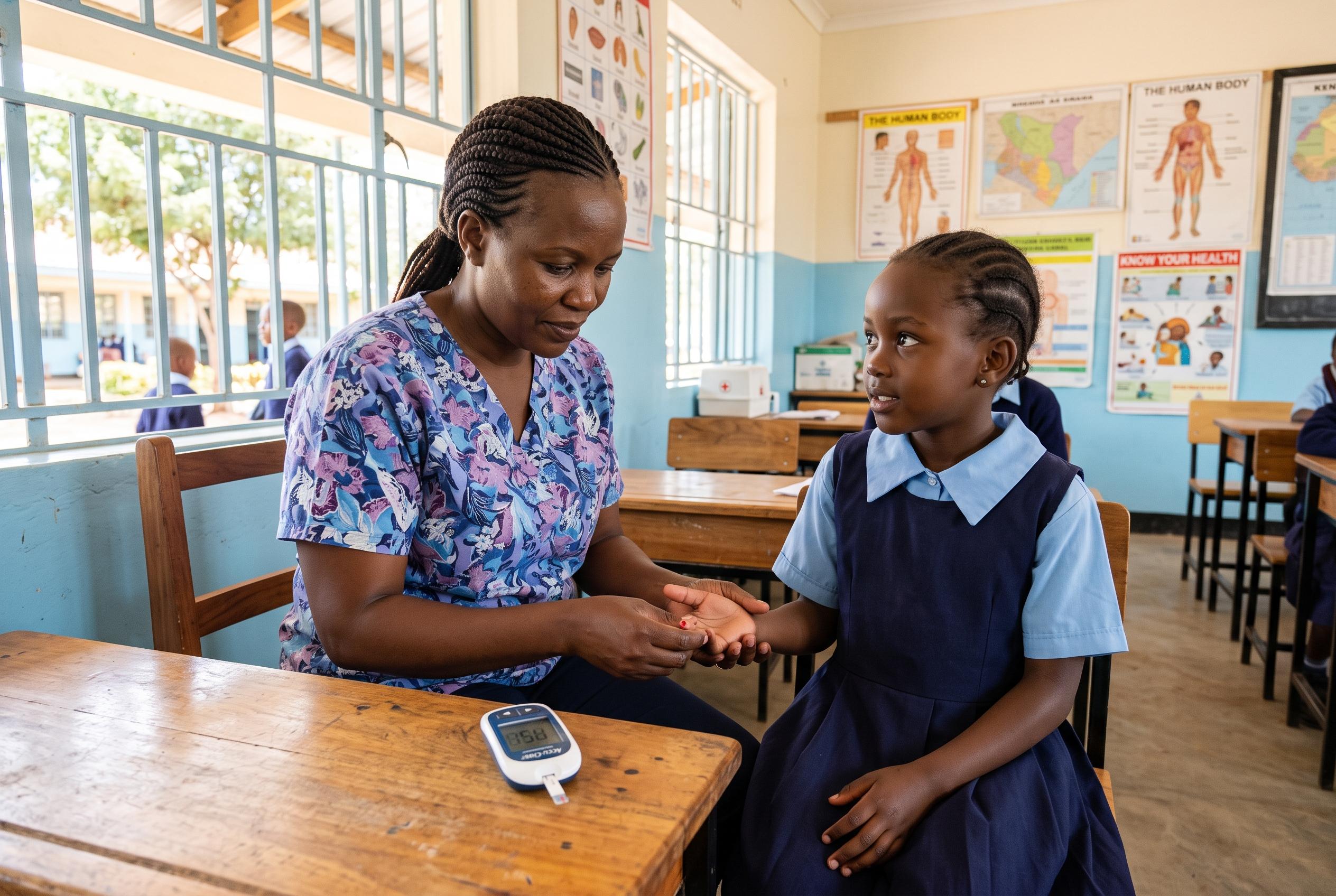
Doctors and educators argue that schools should play a bigger role in spotting warning signs. Teachers may be the first adults to notice that a child is constantly thirsty, losing weight or struggling to concentrate. Health advocates say basic endocrine awareness should form part of school health programmes, alongside stronger training for clinicians and broader access to specialist paediatric endocrine services.
The treatment picture has improved. Continuous glucose monitors and newer insulin formulations have made daily management easier than it once was, while paediatric endocrinology services across the region are slowly expanding. Yet specialists say the decisive factor remains the same: children do best when families, teachers and clinicians recognise the signs early and act before a manageable disorder becomes a tragedy.
Disclaimer: This content is for informational purposes only and is not intended to be a substitute for professional medical judgment, advice, diagnosis, or treatment.