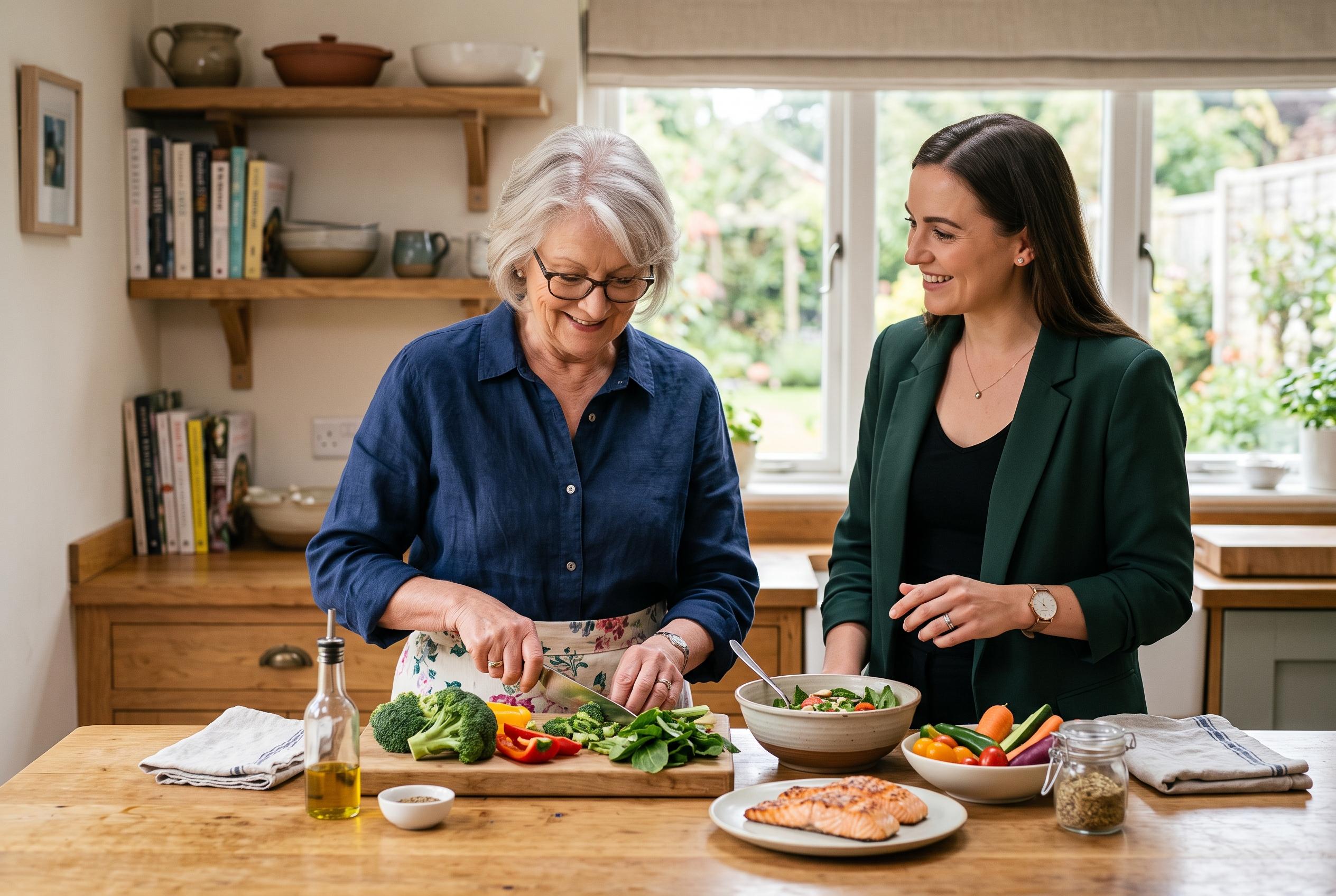

Dr Shehla Shaikh advises older adults to adopt consistent habits, careful monitoring, and personalised treatment plans to effectively manage diabetes, highlighting the importance of routine, diet, and exercise.
Dr Shehla Shaikh used a recent Seniors Today webinar to urge older adults to treat diabetes as a condition that can be managed well with steady habits, careful monitoring and medication discipline. Speaking in the Health Live at Seniors Today session on Saturday, August 29, 2026, Shaikh, a consultant endocrinologist at Saifee Hospital in Mumbai, said diabetes in later life is usually driven by either too little insulin or the body’s reduced response to it, and that treatment should be tailored rather than approached with one-size-fits-all fixes.
Shaikh drew a clear line between type 1 and type 2 diabetes, warning that older people should not assume age rules out type 1. Medical references from Cleveland Clinic, Healthline and the U.S. National Center for Biotechnology Information similarly note that type 1 diabetes is an autoimmune condition that prevents the body from producing insulin, while type 2 diabetes is marked by insulin resistance. In the webinar, Shaikh said rapid weight loss, extreme thirst and frequent infections can be warning signs that deserve prompt attention, even in someone with no previous diabetes history.
Her advice focused heavily on everyday routines. She recommended a simple plate method: half non-starchy vegetables, one-quarter lean protein and one-quarter whole grains or starchy foods. She also said food order matters, with vegetables first helping to blunt sugar rises after meals. Exercise, she added, should be regular rather than intense, and resistance work is especially important for older adults trying to preserve muscle and mobility. Simple home tools such as water bottles or bands can be enough, she said.
Shaikh also cautioned against stopping medication without medical advice, particularly for people with heart disease or stents, and urged patients to keep an updated medicine list for every doctor they see. During the question-and-answer session, she pushed back on the idea of quick “reversal” products, saying lasting improvement depends on consistent meals, daily activity, enough sleep and avoiding sugar. She added that if fasting glucose looks normal but long-term blood sugar, measured by HbA1c, is high, the likely problem is post-meal spikes and those should be checked directly. Continuous glucose monitors can help, she said, but they should be used alongside finger-prick readings rather than as a source of alarm.
Disclaimer: This content is for informational purposes only and is not intended to be a substitute for professional medical judgment, advice, diagnosis, or treatment.