

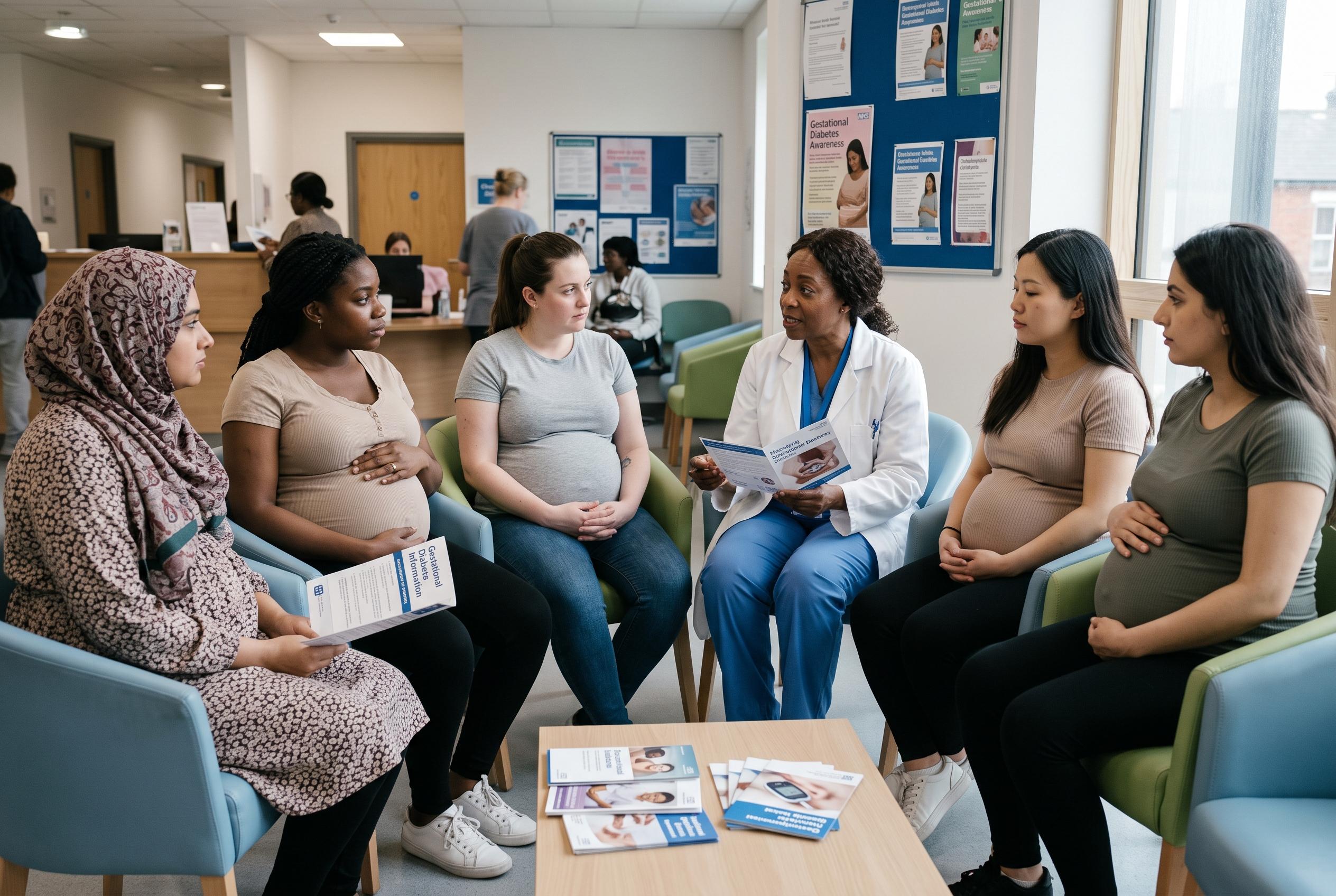

A new analysis reveals a dramatic 60% increase in gestational diabetes cases across England, uncovering significant ethnic and socioeconomic disparities that threaten to further strain maternity services.
A new analysis suggests gestational diabetes is becoming far more common in England, with researchers estimating that about one in eight pregnant women are affected. The condition, which arises when pregnancy hormones interfere with the body’s ability to use insulin properly, is often temporary but can still have serious consequences for mothers and babies, from complications at birth to a higher risk of long-term illness. According to the University of Edinburgh team, the number of diagnoses rose by 60% over five years. Diabetes UK says the condition is linked to factors including higher body weight, previous gestational diabetes, family history and certain ethnic backgrounds.
The Edinburgh researchers analysed routinely collected NHS maternity records covering more than 2.3 million mothers and about 2.8 million births across 184 hospitals in England between 2018 and 2022. Their findings pointed to striking inequalities: Asian women had diagnosis rates of roughly 23%, while women living in the most deprived areas had a 14% chance of being diagnosed. Earlier reviews have also found that the estimated prevalence of gestational diabetes has been climbing over time, although reported rates can vary depending on which diagnostic criteria are used.
Professor Rebecca Reynolds of the University of Edinburgh said the study was the first to estimate the number of women with gestational diabetes across the UK, warning that the rise will add pressure to maternity services already under strain. She also stressed that the condition is not confined to pregnancy, because it increases the likelihood of future type 2 diabetes and cardiovascular disease. Medical reviews likewise identify older maternal age and obesity, particularly a body mass index above 30, as strong risk factors.
The study also found broader disparities in pregnancy outcomes. Black mothers were more likely to need an emergency Caesarean section, women in deprived areas were more likely to give birth prematurely and Asian mothers were more likely to have babies who were small for gestational age. Those findings add to concerns about inconsistent care, with a national survey in England showing variation in how maternity units screen, diagnose and manage gestational diabetes despite widespread use of NICE criteria.
Disclaimer: This content is for informational purposes only and is not intended to be a substitute for professional medical judgment, advice, diagnosis, or treatment.