

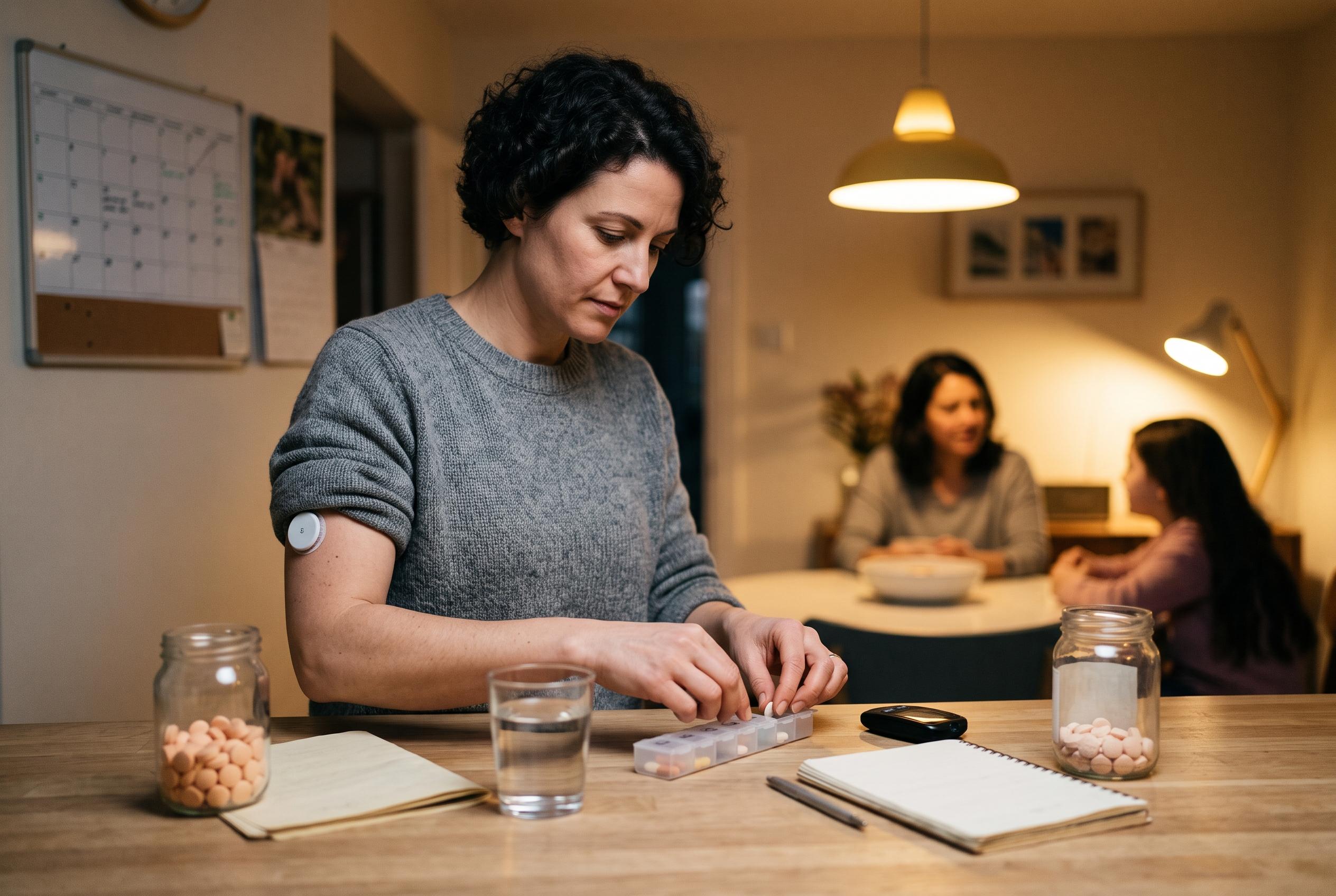

VTV Therapeutics has finished enrolling 166 participants in its phase 3 CATT1 study of cadisegliatin, an experimental oral drug aimed at reducing hypoglycaemia and improving glucose control in adults with type 1 diabetes, with topline results expected by mid-2027.
vTv Therapeutics said it has finished enrolling patients in a late-stage trial of cadisegliatin, an experimental oral drug being studied as an add-on to insulin for adults with type 1 diabetes. The company said 166 participants have been randomised in the CATT1 study, which is designed to test whether the treatment can reduce clinically significant hypoglycaemia while also improving overall glucose control.
The milestone follows a series of steps in the programme over the past year. vTv first resumed screening for the trial after protocol changes shortened the study from 12 months to six and added continuous glucose monitors for all participants, a move intended to sharpen measurement of the main endpoint. The company also said the US Food and Drug Administration had lifted a clinical hold on the cadisegliatin programme earlier in the development process.
Cadisegliatin, also known as TTP399, is being developed as a liver-selective glucokinase activator, a class of drug meant to help the body handle glucose more effectively. vTv says the medicine has Breakthrough Therapy designation from the FDA and has been generally well tolerated in earlier testing involving more than 500 subjects, although its safety and effectiveness have not been established and it remains under investigation.
The Phase 3 study is being run in adults with type 1 diabetes who use either multiple daily insulin injections or an insulin pump, along with continuous glucose monitoring. Topline results are expected in mid-2027. In a first-quarter update earlier this year, the company said enrolment was on track for completion in the third quarter of 2026 and that its cash position was expected to fund operations through the planned data readout.
Disclaimer: This content is for informational purposes only and is not intended to be a substitute for professional medical judgment, advice, diagnosis, or treatment.



