

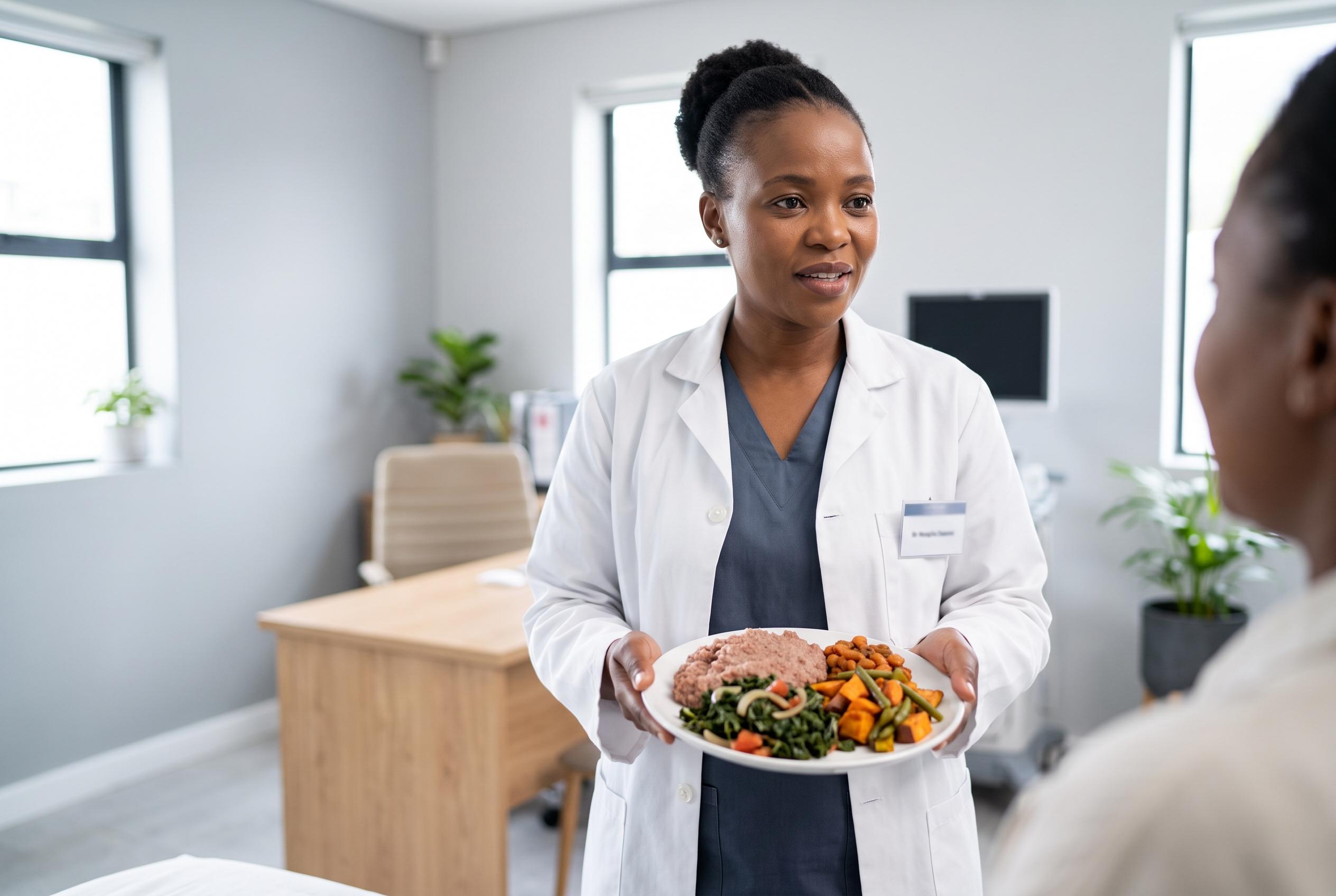

The Physicians Association for Nutrition South Africa is championing the integration of evidence-based, plant-based diets into diabetes care, emphasising cultural relevance and practical support to combat the country’s rising diabetes burden.
Physicians Association for Nutrition South Africa is trying to push an often overlooked idea into the centre of diabetes care: that food can be a practical clinical tool, not merely a matter of lifestyle advice. The organisation, the South African arm of a global medical non-profit, says its work focuses on bringing nutrition into healthcare and medical training, with an emphasis on evidence-based diets that can support both human and environmental health.
That message is especially pointed in South Africa, where diabetes has become a major public-health burden. PAN South Africa says many cases of type 2 diabetes can be prevented or better managed through healthier eating patterns, and it argues that whole-food plant-based diets, including vegetarian and vegan approaches, can help when they are well planned. The group has also been expanding access to professional education through accredited journal sessions, membership schemes and roadshows aimed at doctors and dietitians.
Its advocacy is backed by research as well as outreach. A study published in the South African Journal of Clinical Nutrition examined a 21-day “Diabetes Reversal Challenge” involving South Africans living with type 2 diabetes and found improvements in glycaemic control, weight loss, medication needs and psychological wellbeing. The paper described the project as a real-world multiple-case study rather than a tightly controlled trial, which the authors said made it useful for understanding how diet works in everyday South African settings.
PAN South Africa says that broader context matters because food choices do not happen in a vacuum. Family habits, cultural expectations around meat, affordability, and the availability of suitable options all shape whether people can follow a plant-based pattern for any length of time. The organisation says participants in the challenge benefited from practical support such as recipes, messaging groups and guidance from nutrition-focused chefs, while healthcare workers became more receptive as they saw patients improve.
The group is also careful to distinguish between type 2 diabetes and type 1 diabetes. Type 1 cannot be reversed, but PAN says people with the condition may still benefit from healthier eating because better insulin sensitivity can make day-to-day management easier. It argues that plant-based eating should be seen less as a fad than as a flexible, culturally adaptable approach that can be integrated into clinical care, particularly in a country where many cases remain undiagnosed and complications are common.
That philosophy carries through to the cookbook Healing Diabetes and Other Lifestyle Diseases, which PAN says includes practical recipes, meal plans and essays alongside contributions from clinicians and community voices. Among the dishes highlighted are traditional options such as isijingi, isigwamba and umqhusho, using ingredients such as maize, beans and pumpkin. PAN says those foods are not only affordable and familiar, but also nutrient-rich and climate-resilient, which it sees as part of the case for treating indigenous ingredients as part of the future of public health.
Disclaimer: This content is for informational purposes only and is not intended to be a substitute for professional medical judgment, advice, diagnosis, or treatment.



