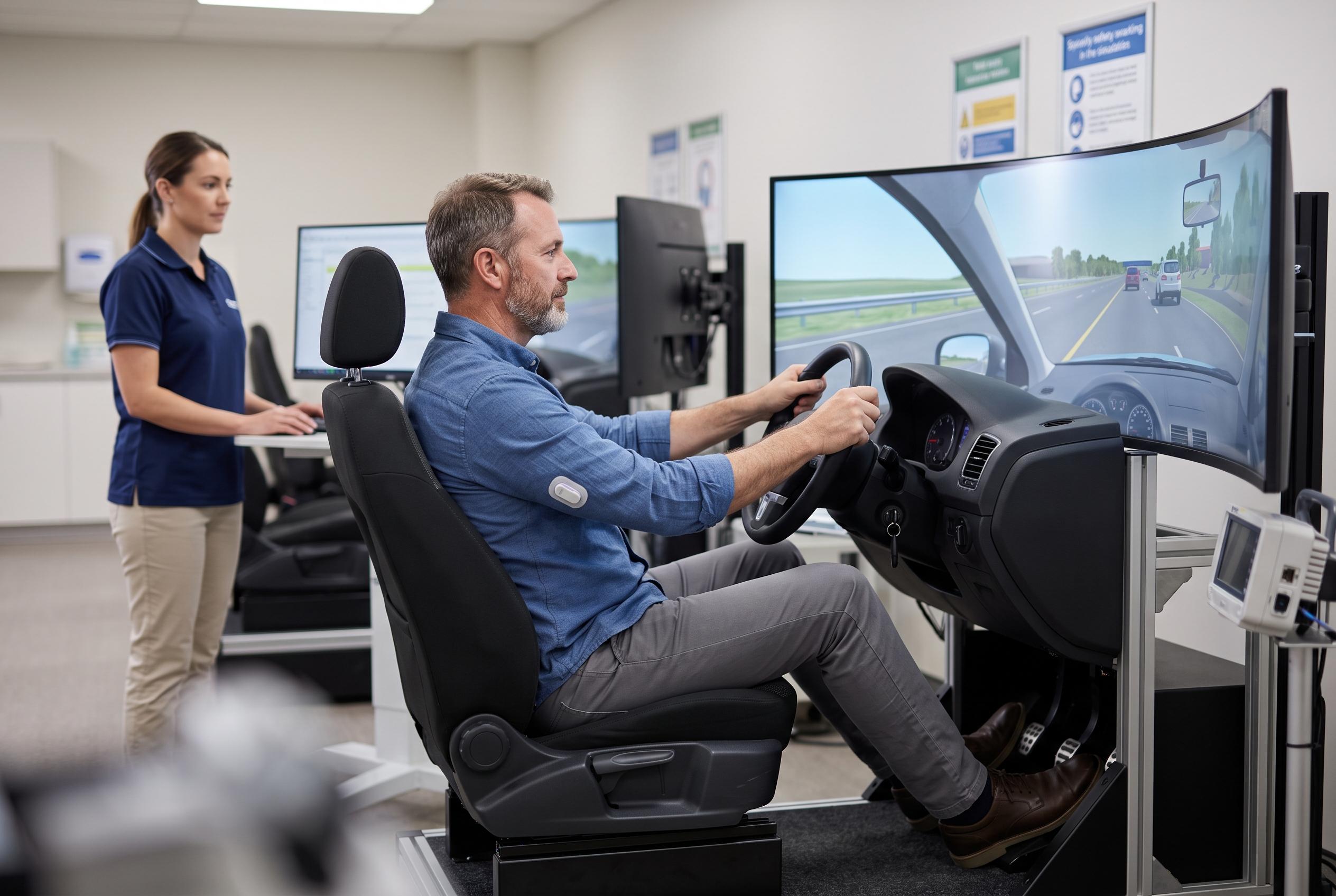

A new simulator study indicates that peripheral neuropathy in diabetics could cause misjudged pedal presses, potentially increasing accident risk among drivers with nerve damage.
A new simulator study suggests that diabetic nerve damage in the feet may do more than blunt sensation: it may also increase the risk of pressing the wrong pedal at the wrong moment. Researchers found that drivers with diabetic peripheral neuropathy were the only participants to mistime a demanding manoeuvre by hitting the accelerator when they meant to brake, raising fresh concerns about how the condition can affect road safety.
The study involved 44 licensed drivers, including 15 with diabetic peripheral neuropathy, a common complication of diabetes that affects nerves outside the brain and spinal cord. The condition can cause numbness, tingling and pain, and in some cases people may not notice symptoms even when nerve damage is already present, according to medical guidance from the Mayo Clinic. The researchers say that loss of sensation and reduced awareness of foot position may help explain why some drivers struggle to match what their feet are doing with what they intend.
Their earlier work had already shown that drivers with neuropathy used the accelerator differently from those without nerve damage, spending more time at the extremes of pedal travel and less in the middle range. The same line of research also found impaired ankle proprioception, the body’s internal sense of where a limb is positioned, as well as weaker coordination between eye movements and steering. Together, those findings point to a broader problem with how sensory information is integrated during driving.
In the latest simulator trial, the mistake appeared during sharper bends and other demanding sections of road. Several drivers with neuropathy also looked down towards their feet, apparently to check pedal position visually, while drivers without nerve damage did not. A separate study published in a peer-reviewed journal similarly concluded that drivers with diabetic peripheral neuropathy were prone to sudden, unsafe accelerations when they intended to slow down.
The implications may be especially relevant for people who drive for work. A 2025 Diabetes Safety Organisation report, produced with transport and road-safety groups, estimated that one in six commercial drivers has diabetes. UK driving guidance already requires drivers to report peripheral neuropathy, and medical advice from the Driver and Vehicle Licensing Agency notes that nerve damage affecting limb function may require vehicle adaptations. The researchers argue that routine diabetes checks, which already include foot sensation testing under National Institute for Health and Care Excellence guidance, could also be used to flag possible driving risk, while further study examines practical countermeasures such as better footwell lighting, acceleration limiters and, possibly, manual vehicles.
Disclaimer: This content is for informational purposes only and is not intended to be a substitute for professional medical judgment, advice, diagnosis, or treatment.