

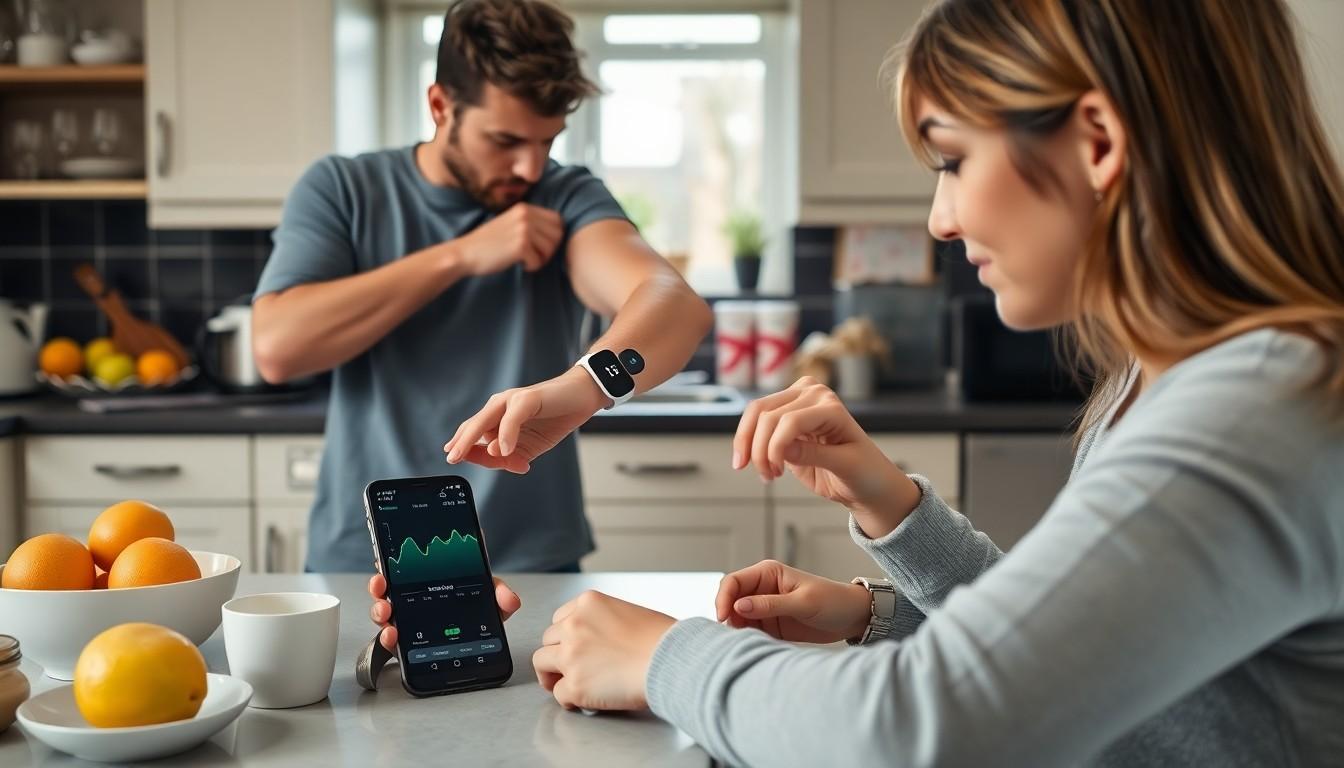

The rise of continuous glucose monitors among non-diabetics, driven by social media and biohacking, sparks both curiosity and caution among health experts over their accuracy, benefits, and potential psychological impact.
Continuous glucose monitors, once a largely clinical tool for people with diabetes, are now being adopted by a broader wellness crowd that is keen to mine the devices for clues about diet, exercise and day-to-day energy levels. According to Everyday Health, that shift has been accelerated by social media, where users without diabetes have been posting their readings and tips as part of a wider biohacking trend.
Specialists quoted by Everyday Health say the appeal is understandable, but the evidence remains thin. The article cites research suggesting that, in people without diabetes, CGM use has not clearly improved blood sugar stability, even if some short-term dietary changes have been observed. Johns Hopkins Bloomberg School of Public Health has likewise said there is little evidence that the devices offer meaningful benefits for non-diabetics at present.
There may, however, be narrow situations in which a short-term trial could be useful. Everyday Health notes that clinicians sometimes consider CGMs for people with conditions or treatments that can affect blood sugar, such as lupus or steroid use. The article also says the devices may be helpful for people with prediabetes, rising glucose levels, insulin resistance or hormonal changes linked to midlife, provided the goal is understanding metabolism rather than chasing weight loss.
The downsides are harder to ignore. The article warns that CGMs can produce a flood of data that is difficult to interpret without medical guidance, and that misuse may prompt unnecessary eating or, conversely, overly restrictive behaviour. WebMD has also highlighted potential problems such as information overload, alarm fatigue and skin irritation, while recommending that users speak to a doctor before acting on the readings.
Accuracy is another concern. Everyday Health cites a review of 22 studies which found that none of the devices examined met international accuracy standards when measuring hypoglycaemia. The same article says CGM readings can deviate materially from true blood sugar levels, which can be particularly unsettling when the device is bought over the counter and there is no clinician to help interpret the numbers.
The psychological effect may be just as important as the physical one. Everyday Health reports that people with health anxiety, eating disorders or obsessive tracking habits may be especially vulnerable to fixation on normal fluctuations. By contrast, it quotes one wellness creator as saying a short-term CGM helped her understand how she felt after childbirth, illustrating the broader point made by Harvard Health and other commentators: the devices may be useful for some people in limited contexts, but for most without diabetes, they remain more intriguing than proven.
Disclaimer: This content is for informational purposes only and is not intended to be a substitute for professional medical judgment, advice, diagnosis, or treatment.