

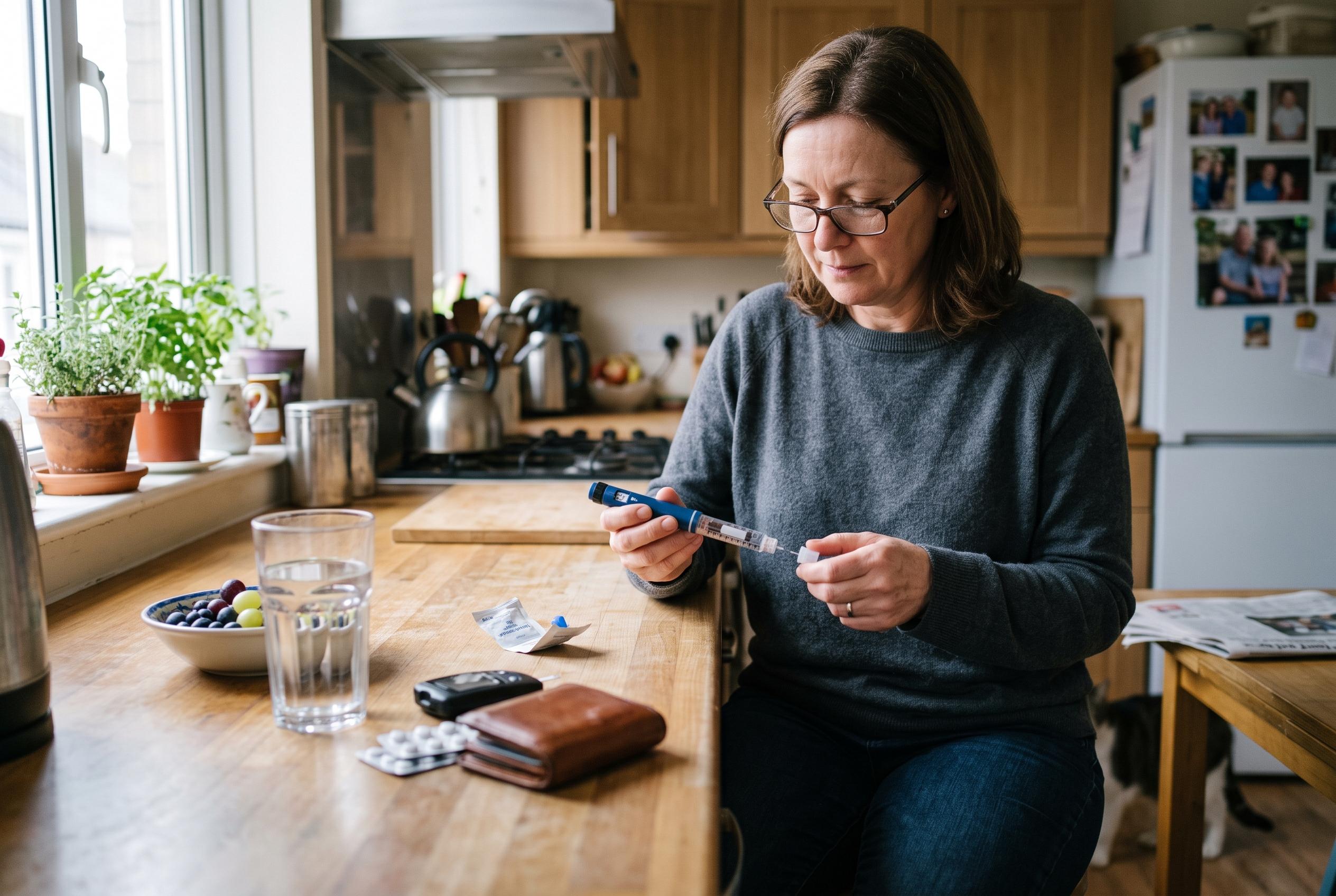

Thousands of Bulgarian patients are being moved from human insulin to fully reimbursed analogues, with supplies expected to continue until 31 May 2027.
Thousands of people with diabetes in Bulgaria are being moved from older human insulin preparations to newer insulin analogues in a transition health professionals describe as part of the normal advance of modern medicine. Speaking to Actualno, Assoc Prof Asena Serbezova, former health minister and head of the medicines agency, said that in many branches of medicine a large share of the information used to guide drug treatment is refreshed within five years, making changes of this kind both expected and necessary.
Serbezova said the shift is not only about tighter glucose control, but also about reducing the long-term risks linked to poorly managed diabetes. Reviews in endocrine medicine have similarly described the development of longer-acting insulin analogues as a step towards more stable insulin exposure, with the potential to improve safety and reduce nocturnal hypoglycaemia, while broader reviews of newer insulin preparations have linked these products with simpler treatment patterns and a better quality of life for some patients.
The Bulgarian transition has been designed as a coordinated process rather than an abrupt switch. According to Serbezova, the National Health Insurance Fund, the Bulgarian Medical Association, the Bulgarian Pharmaceutical Union, family doctors and endocrinologists have all been brought into the planning so that patients can continue receiving therapy without interruption. A Bulgarian real-world study of insulin glargine 300 U/ml published in Springer has also shown the practical importance of coordinated care when patients are transferred to newer insulin regimens.
Cost should not be a barrier, either. Serbezova said the newer insulin analogues remain fully reimbursed, as were the human insulins they are replacing, so patients should not face any extra financial burden. That point matters because access and adherence often depend as much on affordability and continuity as on clinical choice. Recent academic work has likewise stressed that new insulin formulations are most effective when healthcare teams stay informed and can guide patients through changes in treatment.
The immediate practical advice from pharmacists and doctors is to act early rather than wait for the final deadline. Serbezova said existing prescriptions and protocols will remain valid until they expire, and that supplies of the relevant products are expected to continue until 31 May 2027. After that, patients should contact their family doctor, obtain the necessary referral and review the most suitable product, dose and regimen with an endocrinologist. She said pharmacists have an important role in directing patients to seek that review and in reminding them that there is still time to make the change calmly. Once patients leave things to the last minute, she warned, the system, doctors and patients themselves come under unnecessary strain.
Disclaimer: This content is for informational purposes only and is not intended to be a substitute for professional medical judgment, advice, diagnosis, or treatment.



