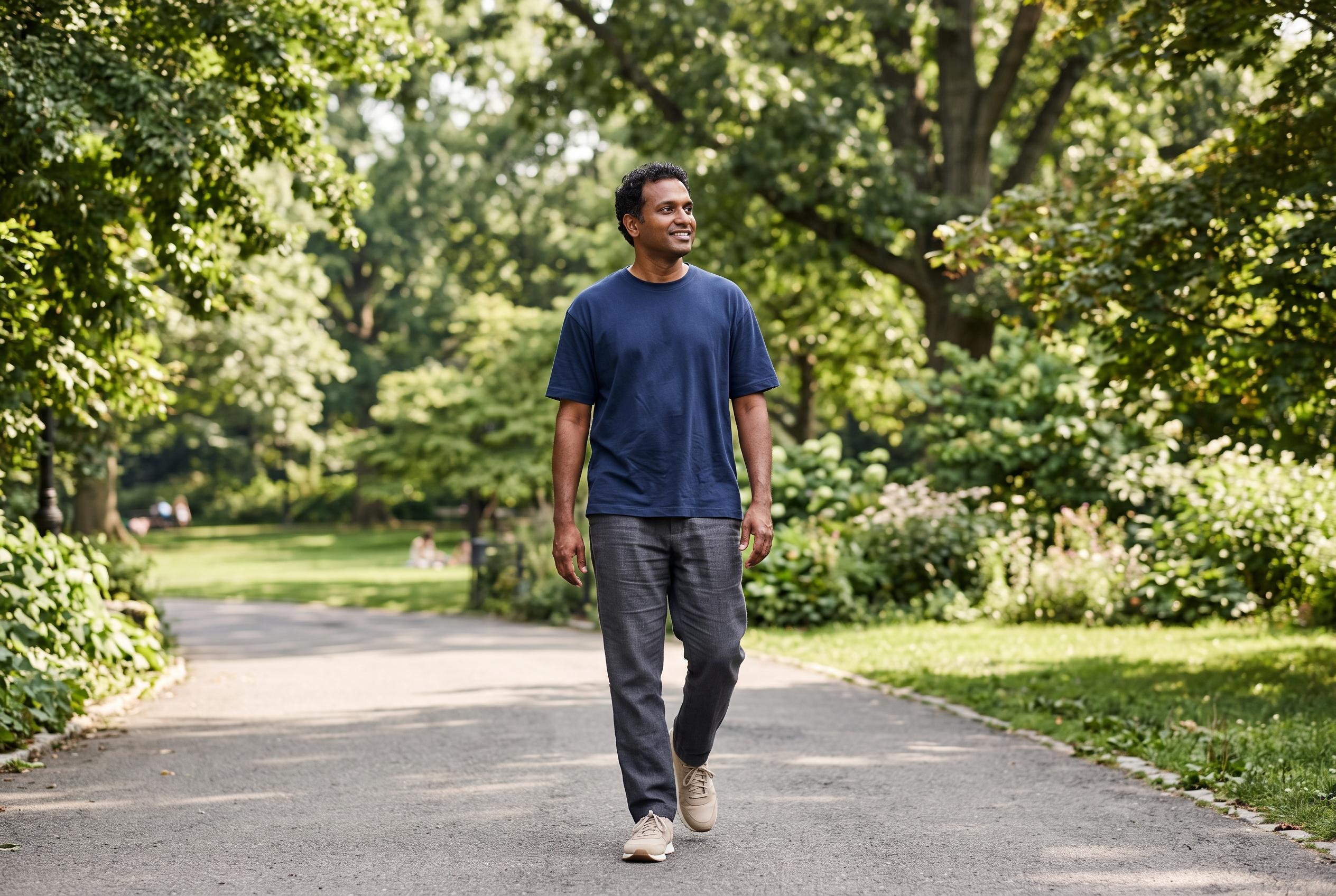

Research indicates that a brief walk after eating, especially after carbohydrate-rich meals, can reduce post-meal blood sugar levels, offering a simple and effective strategy to support metabolic health.
A short walk after a meal may do more than settle the appetite. Research cited by Arab News points to a modest but measurable effect on post-meal blood sugar, especially when the movement comes soon after eating and follows carbohydrate-heavy dishes. The idea is simple: once muscles start working, they draw on glucose in the bloodstream for fuel, which can help blunt the spike that often follows lunch or dinner.
The evidence is strongest for light activity rather than strenuous exercise. Healthline and the Cleveland Clinic both note that even a brief walk can reduce the rise in blood glucose that would otherwise occur if someone remained seated, while the timing appears to matter as much as the walk itself. A review of several randomised trials found that exercise after eating tended to outperform exercise done before a meal when the goal was to limit the immediate glucose rise.
That does not mean 10 minutes is a magic number, but it may be enough to make a practical difference. Arab News reported on a study in which 10 minutes of moderate walking after each meal, beginning about half an hour after eating, lowered post-dinner glucose compared with no activity. The benefit was similar to that seen after a single 30-minute walk later in the day, suggesting that short, frequent bouts can be a realistic option for people who struggle to fit in longer sessions.
The case for moving after meals may be even stronger when the plate is heavy on carbohydrates. National Geographic and Time have both reported that post-meal movement can help the body handle nutrients more efficiently and soften sharp rises in blood sugar after foods such as rice, pasta or bread. Some researchers also think gentle movement may support gut signalling and digestion, although that broader evidence is less settled than the blood sugar data.
Still, walking after eating is not a substitute for diabetes treatment. Cleveland Clinic and Medical News Today both caution that people using insulin or medicines that can lower blood sugar should pay attention to timing and monitor their response, since exercise can occasionally push glucose down too far. For others, the main appeal is its ease: a brief walk after eating is low-cost, simple to repeat and may fit more naturally into daily life than a formal workout.
Disclaimer: This content is for informational purposes only and is not intended to be a substitute for professional medical judgment, advice, diagnosis, or treatment.