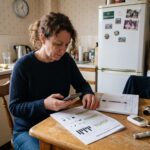

Recent studies and health experts highlight that even brief walks after meals can help lower blood sugar spikes, offering a simple and accessible way to support metabolic health and manage conditions like prediabetes and type 2 diabetes.
A short stroll after eating may do more than settle the stomach. Health experts and recent research suggest that even a modest walk can help blunt the rise in blood sugar that follows a meal, particularly when carbohydrates are involved.
The basic mechanism is straightforward: working muscles draw glucose out of the bloodstream, which can reduce the post-meal spike that many people experience. Cleveland Clinic has said that physical activity can help the body use insulin more efficiently over time, while a study indexed in PubMed found that a 30-minute brisk walk after eating lowered the glucose peak even when meals varied in carbohydrate content.
Importantly, the walk does not need to be intense. Cleveland Clinic’s guidance indicates that even two to five minutes of movement can make a difference, and its clinicians say walking soon after eating may also support digestion by helping the stomach empty more efficiently. That can be useful for people who feel uncomfortably full, bloated or prone to reflux after heavier meals.
Other health outlets have pointed out that post-meal walking may also fit easily into a broader routine aimed at heart health, weight control and blood pressure management. Healthline notes that a walk of around 10 to 30 minutes after eating can be an accessible habit, while some recent fitness guides have popularised very short indoor routines that can be done without equipment.
Still, the evidence does not suggest a quick walk is a replacement for regular exercise. Rather, it is a small, practical habit that may complement a wider approach to metabolic health, especially for people managing prediabetes or type 2 diabetes. For many, the appeal is simple: it is low-cost, low-impact and easy to repeat every day.
Disclaimer: This content is for informational purposes only and is not intended to be a substitute for professional medical judgment, advice, diagnosis, or treatment.