

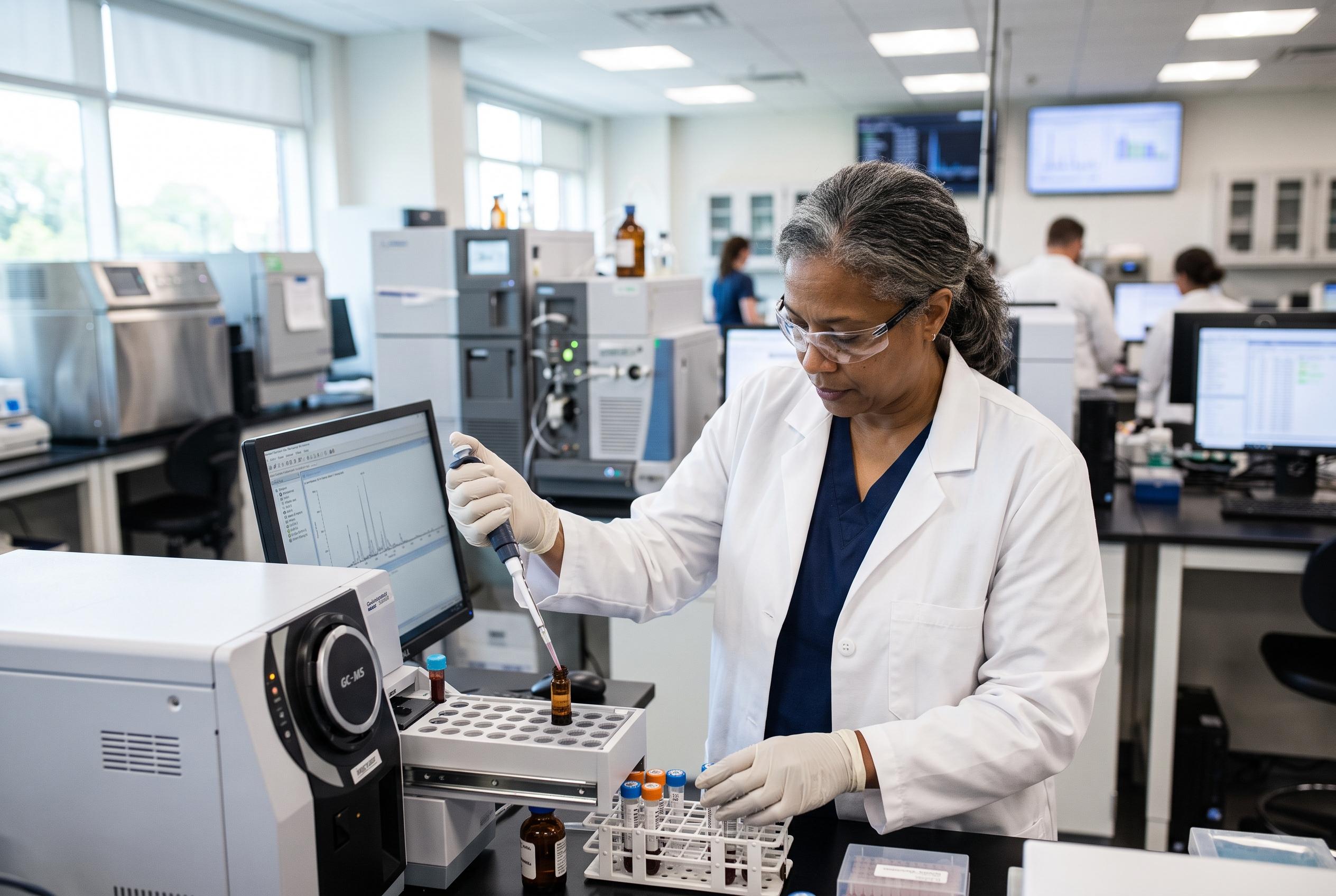

The Sioux Falls company will test whether blood fatty acid patterns can detect metabolic changes before fasting glucose and HbA1c readings indicate a problem.
OmegaQuant Analytics has secured additional funding from the National Institutes of Health to continue work on a blood-based fatty acid algorithm that it says could identify insulin resistance earlier than standard tests. The Sioux Falls, South Dakota, company says the project builds on earlier NIH-supported research that examined whether patterns in blood fatty acids could predict metabolic syndrome and type 2 diabetes before those conditions are picked up through routine clinical screening.
Insulin resistance occurs when the body’s cells stop responding normally to insulin, forcing the pancreas to produce more of the hormone to keep blood glucose within a healthy range. According to OmegaQuant, that process can begin well before fasting glucose or haemoglobin A1c readings show a problem, which means some people may already be on a path towards type 2 diabetes before commonly used markers flag any concern.
The company says its new study will test whether the fatty acid profile can act as a simpler and more accessible tool for spotting metabolic change at an earlier stage. That matters because existing measures can miss early dysfunction, while some alternative testing methods are costly, time-consuming or difficult to fit into everyday clinical practice. If the algorithm proves reliable, OmegaQuant believes it could give doctors and patients more time to act through lifestyle and nutritional changes.
Kristina Harris Jackson, OmegaQuant’s director of research and principal investigator on the project, said the earlier phase of the work identified fatty acid patterns that may reveal information about metabolic health before blood glucose markers change. She said the new funding will allow the team to test the algorithm more rigorously and assess whether it can offer a practical way to identify insulin resistance sooner. Chief executive Jason Polreis said the research fits with the company’s wider effort to turn fatty acid science into information that can be used more easily in health care.
Disclaimer: This content is for informational purposes only and is not intended to be a substitute for professional medical judgment, advice, diagnosis, or treatment.



