

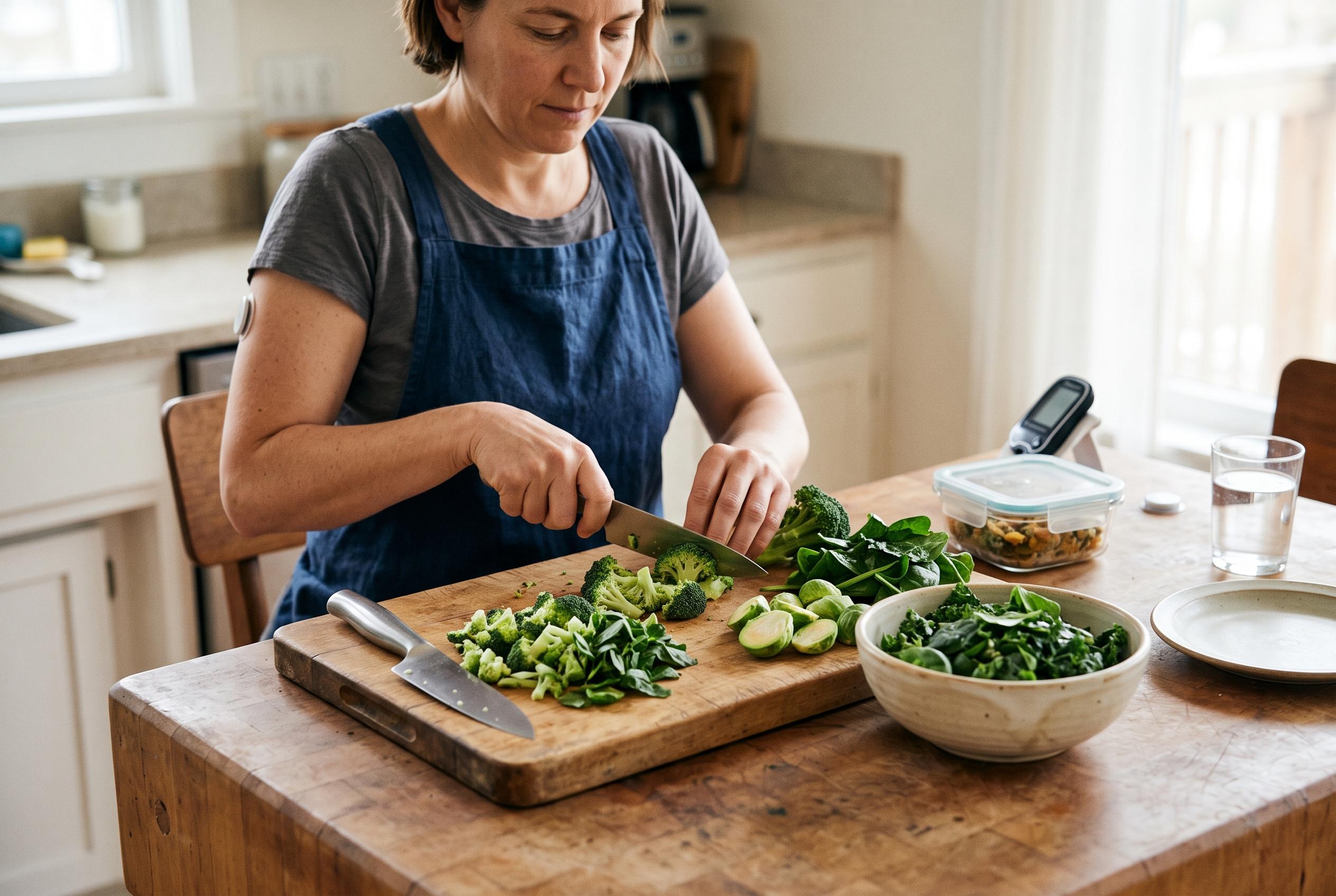

Emerging research underscores the importance of consuming fibre-rich, low-carbohydrate vegetables such as broccoli, leafy greens, and Brussels sprouts to help prevent blood sugar spikes and support diabetes management, reinforcing dietary strategies recommended by health authorities.
Keeping blood sugar on an even keel often starts with what is on the plate, and Vizion Plus says a group of non-starchy vegetables can help because they are rich in fibre and relatively low in carbohydrates. The Albanian lifestyle piece points to broccoli, leafy greens, Brussels sprouts, okra, peppers and artichokes as especially useful choices for people looking to avoid sharp post-meal spikes. Nutrition guidance from the American Diabetes Association also supports the broader idea that non-starchy vegetables such as broccoli, Brussels sprouts, kale and spinach can be a good fit for blood sugar management because they are low in calories and carbohydrates.
Broccoli stands out because of its fibre content and because it contains compounds linked with better glucose control. Healthline and Cleveland Clinic both note that broccoli contains sulforaphane, a plant compound that has been studied for its possible role in improving insulin sensitivity and lowering blood sugar in people with type 2 diabetes. Lightly steaming or chopping broccoli can help the body form more of this compound, which is one reason it is often singled out in nutrition advice.
Leafy greens are another recurring recommendation. Medical News Today says vegetables such as spinach, lettuce, kale and other dark greens have a low glycaemic impact and supply fibre, magnesium and other nutrients that may help with blood sugar control. That aligns with the Vizion Plus list, which places leafy greens among the best everyday options. Research summaries cited by Healthline and Medical News Today also link higher intake of leafy greens with a lower risk of developing type 2 diabetes, although that does not mean any single food can prevent the disease on its own.
The same general logic applies to Brussels sprouts, okra, peppers and artichokes. Brussels sprouts and other cruciferous vegetables are low in starch and high in fibre, which can slow digestion and blunt the rise in blood sugar after meals, according to the American Diabetes Association and Healthline. Okra is often highlighted for its viscous, gel-like fibre, which may slow the absorption of sugar in the digestive tract. Peppers add vitamin C, water and fibre while remaining low in carbohydrates, and artichokes provide soluble and prebiotic fibre that can support digestion and steadier glucose levels, according to the Vizion Plus article.
The message from these sources is consistent: vegetables are most helpful when they are part of a balanced pattern rather than treated as a quick fix. Swapping some refined starches for non-starchy vegetables can make meals more filling and may lead to more stable energy through the day. For people managing diabetes or pre-diabetes, the practical goal is not to rely on one superfood, but to build meals around fibre-rich vegetables, lean protein and sensible portions of carbohydrate.
Disclaimer: This content is for informational purposes only and is not intended to be a substitute for professional medical judgment, advice, diagnosis, or treatment.



