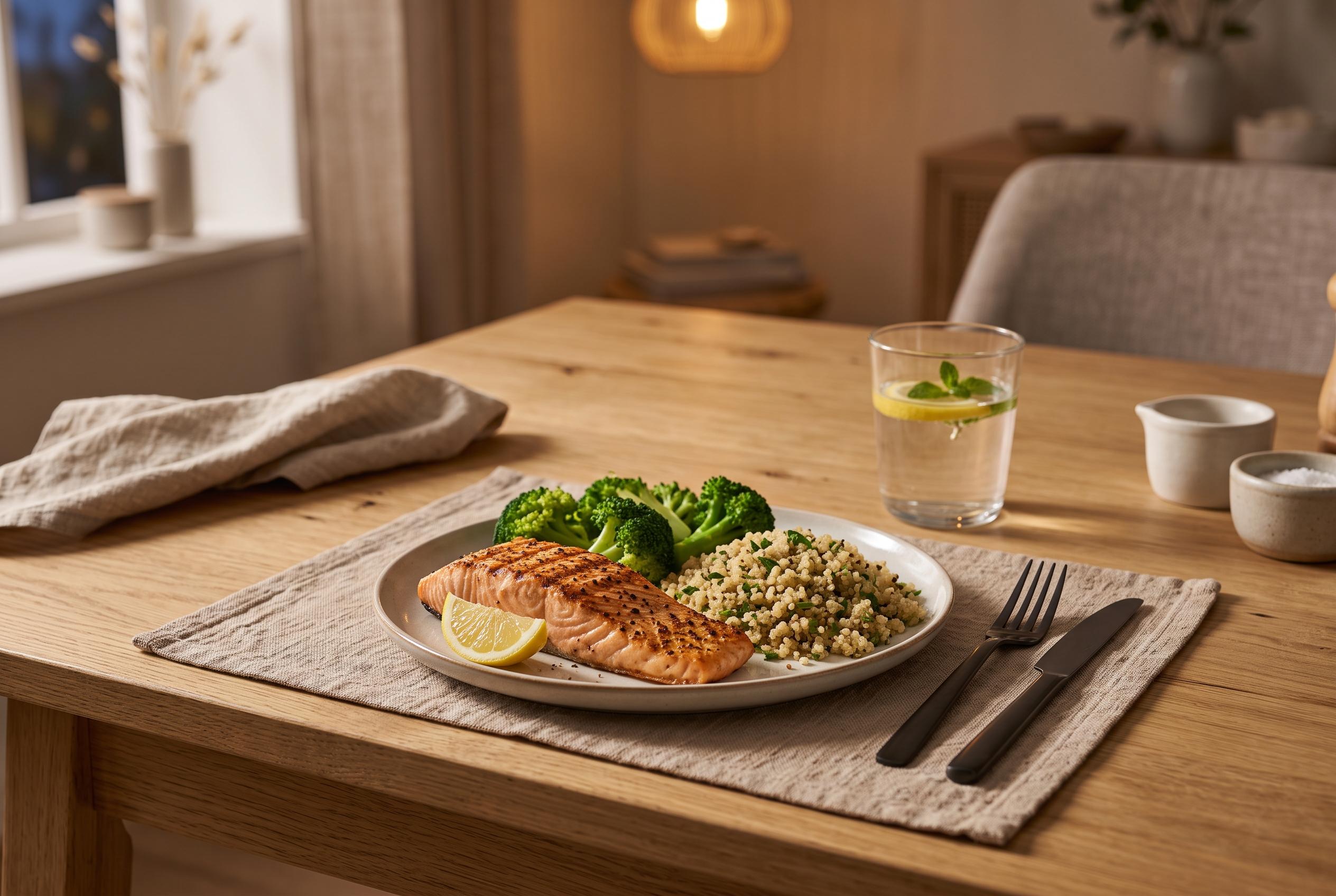

Emerging research reveals reciprocal links between sleep and diet, emphasising the importance of meal timing, nutrient intake, and lifestyle choices in promoting better rest and weight management.
Sleep and diet are closely linked, and the relationship runs both ways. Poor rest can alter appetite, shift cravings towards calorie-dense foods and make it harder for the body to regulate energy balance, while food choices and meal timing can also shape how well people sleep, according to the research summaries provided.
Several studies point to the same hormonal pattern: too little sleep tends to lower leptin, which helps signal fullness, while raising ghrelin, which drives hunger. Research indexed on PubMed and in JAMA found that sleep loss can increase appetite, particularly for high-calorie foods, and may help explain why short sleep is associated with higher body mass and obesity risk. A separate review in PubMed Central also describes sleep deprivation as a disruption to the balance between these hormones, which can push people to eat more than they need.
The article also highlights chrono-nutrition, the idea that when people eat can matter almost as much as what they eat. Evidence cited in the supplied material suggests that late meals may interfere with sleep quality, while a more structured eating pattern may help support the body’s internal clock. The broader message is that a balanced diet, regular mealtimes and avoiding heavy food close to bedtime may all support more restful sleep.
Other nutrients may also play a role. The supplied summaries say that foods rich in vitamin D and omega-3 fatty acids, such as fatty fish, have been associated with better sleep outcomes, while prebiotic and probiotic-rich foods may help protect gut health, which can be affected by poor sleep. Caffeine, alcohol and heavy, spicy or fried foods are best kept away from bedtime, according to the article’s guidance, while a consistent night-time routine remains one of the simplest ways to support both digestion and recovery.
Disclaimer: This content is for informational purposes only and is not intended to be a substitute for professional medical judgment, advice, diagnosis, or treatment.