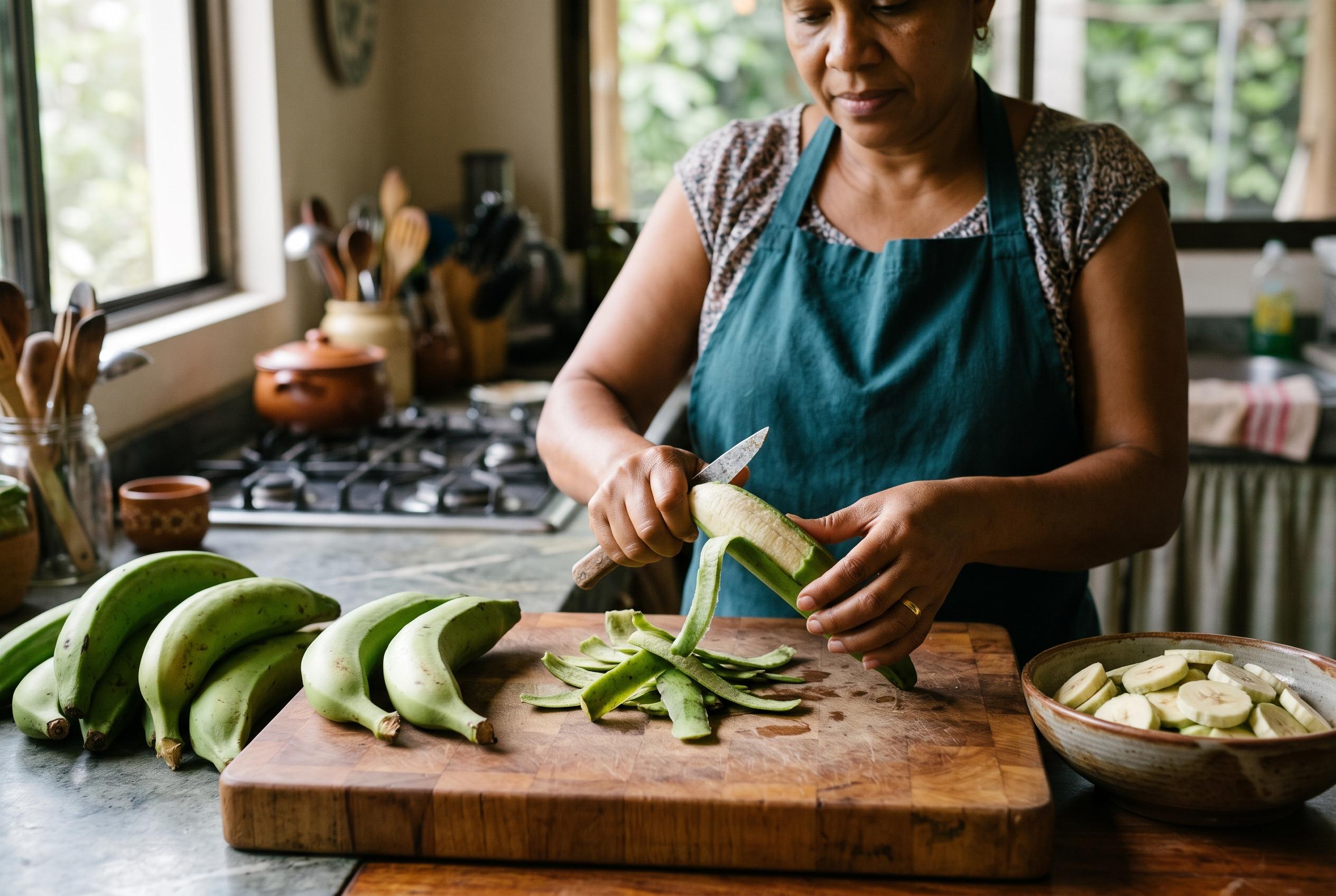

Rich in resistant starch, unripe plantains may help feed beneficial gut bacteria and support steadier blood sugar, though they are no cure for intestinal inflammation.
Green plantains, a staple in many US kitchens, are drawing renewed attention for their unusual nutritional profile and possible role in digestive health. The unripe fruit is rich in resistant starch, a carbohydrate that passes through the small intestine largely undigested and reaches the colon, where gut bacteria ferment it. According to research summarised by the National Library of Medicine in the United States, that process may help produce butyrate, a short-chain fatty acid linked to the health of colon cells and the intestinal barrier.
That same line of research has led scientists to describe resistant starch in green plantains as a potential prebiotic, meaning it can feed beneficial microbes in the gut. A review on PubMed Central says the resistant starch in unripe bananas can promote the growth of helpful bacteria and stimulate the production of short-chain fatty acids, which are widely associated with a healthier microbiome.
The fruit’s appeal is not limited to digestion. Healthline notes that green bananas and plantains have a lower glycaemic index than ripe bananas, which means they tend to cause a slower rise in blood sugar. WebMD says green plantains may be useful for people trying to manage diabetes because their resistant starch is not fully broken down in the small intestine, allowing less carbohydrate to be converted quickly into glucose. The National Library of Medicine has also highlighted evidence that resistant starch may improve some markers related to insulin sensitivity, although effects depend on how much is eaten and on individual differences.
Beyond starch, green plantains provide fibre, vitamins, minerals and phenolic compounds. Healthline and WebMD both point out that these nutrients add to their overall value as part of a varied diet. A separate paper in Archivos Latinoamericanos de Nutrición also suggests that green banana flour could have wider importance as a sustainable food product, adding another dimension to the crop’s growing profile.
Even so, nutrition experts caution against treating green plantains as a cure for intestinal inflammation. Their benefits are best understood as part of an overall eating pattern rich in fruit, vegetables, legumes, nuts and other fibre-containing foods. In practical terms, the attraction is simple: it is an everyday ingredient that may help feed the bacteria in the colon while also fitting naturally into meals in households that already keep it on hand.
Disclaimer: This content is for informational purposes only and is not intended to be a substitute for professional medical judgment, advice, diagnosis, or treatment.