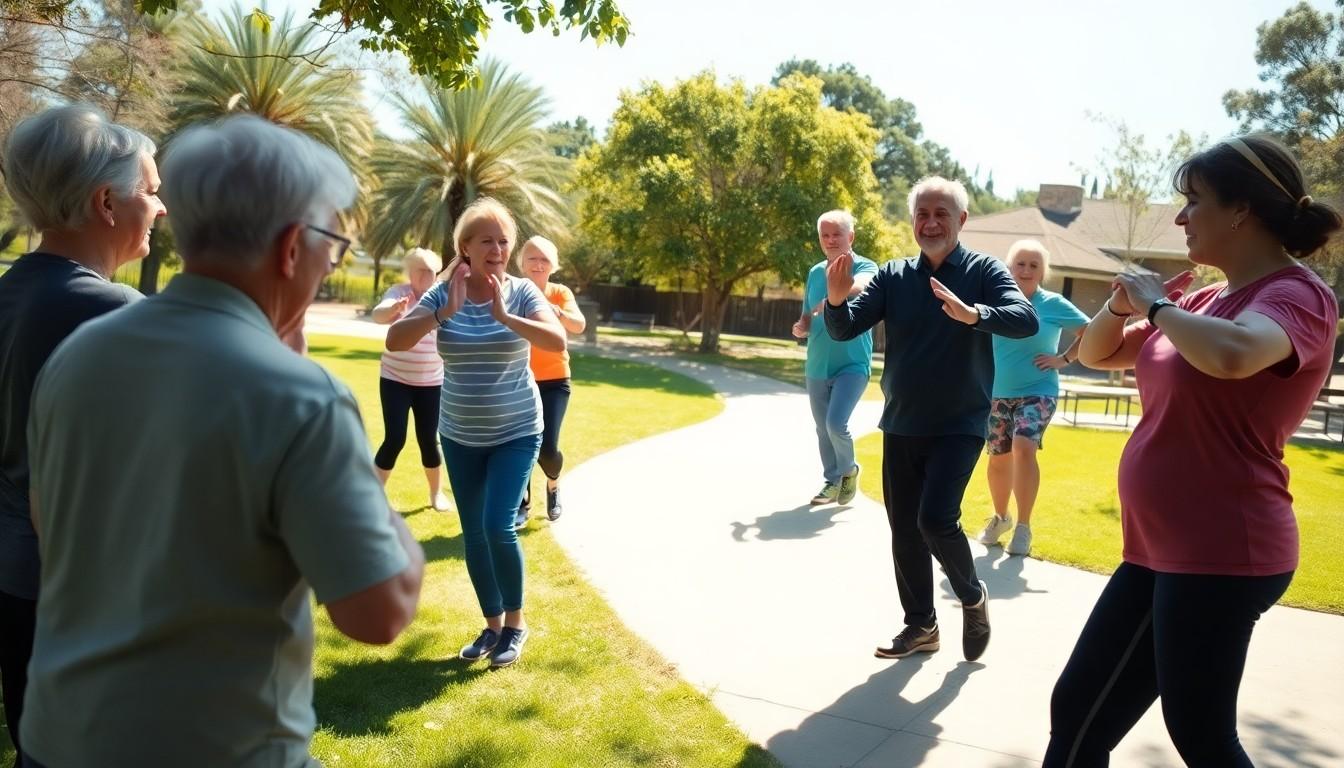

Emerging research highlights strength training as an accessible, effective strategy for maintaining mobility, bone health, and mental well-being in older adults, challenging the notion that anti-ageing requires a pill.
Strength training is increasingly being framed as one of the most practical ways to support healthy ageing, and for good reason. While there is no literal anti-ageing pill, research and medical guidance point to resistance exercise as a powerful tool for preserving muscle, protecting bones, improving balance and helping people stay independent for longer. The case becomes stronger with age, when natural muscle loss can begin to affect strength, mobility and resilience in everyday life.
That decline, known as sarcopenia, is a major reason experts encourage older adults to make resistance work a regular habit. Medical News Today notes that strength training can help improve mobility and reduce falls, while the National Institute on Aging recommends strength and balance activities at least twice a week. The key point is that the benefits do not depend on lifting the heaviest weights in the gym; bodyweight exercises, light dumbbells, resistance bands and machines can all play a role.
The physical advantages are broad. Mayo Clinic says resistance training helps preserve muscle mass, supports bone density and may assist with weight management, while Harvard Health highlights gains in blood sugar control, stability and reduced arthritis pain. That matters because ageing is not only about losing strength, but also about protecting function. Stronger muscles make everyday tasks easier, from climbing stairs and carrying shopping to getting up from the floor or remaining steady on uneven ground.
Bone health is another major reason strength work matters. As bone density falls with age, particularly around and after menopause, the risk of osteoporosis and fractures rises. Harvard Health and UCLA Health both note that resistance training places useful stress on the skeleton, encouraging bones to adapt and become stronger. For many people, that can be a crucial safeguard against injury and loss of confidence.
The mental health effects are also worth noting. A review in PubMed found that regular strength training can improve sleep, ease depression and help combat frailty, while wider medical guidance links it with better mood and quality of life. ENZED Fitness, which placed strength training at the centre of its argument, says the payoff extends beyond appearance to energy, confidence and long-term independence. That message is broadly consistent with the clinical view: the goal is not simply to look fitter, but to stay capable for longer.
For most people, the prescription is refreshingly modest. Consistency matters more than extremes, and two to four structured sessions a week can be enough to deliver meaningful gains. In that sense, strength training may not be an anti-ageing pill at all, but it may be the closest thing exercise has to one.
Disclaimer: This content is for informational purposes only and is not intended to be a substitute for professional medical judgment, advice, diagnosis, or treatment.