

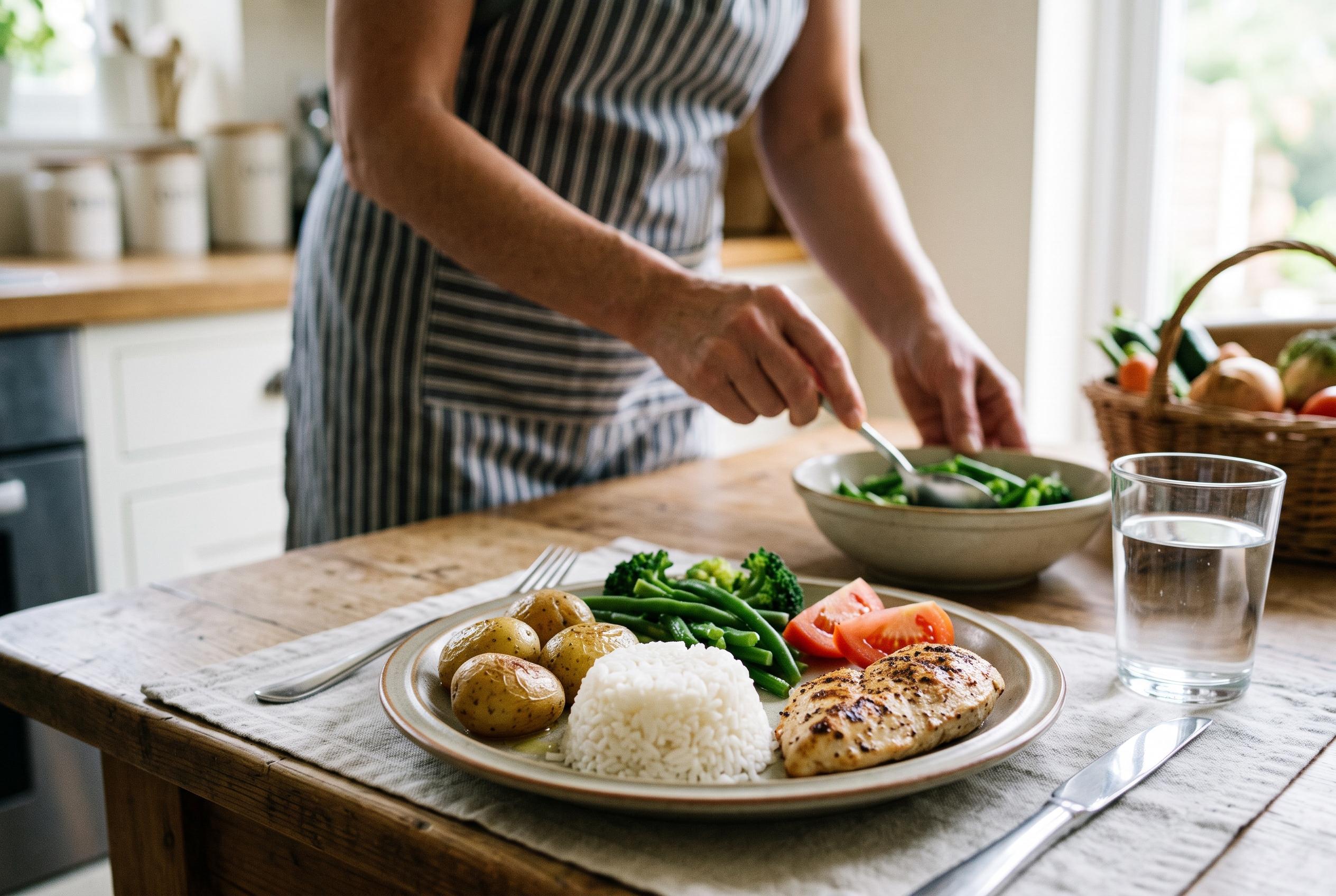

Experts suggest that rice and potatoes can both fit into a blood sugar-friendly diet when consumed in moderation and paired wisely. The key lies in portion size, preparation methods, and how they are incorporated into the meal.
Rice and potatoes do not need to be treated as rivals in the effort to manage blood sugar, according to health reporting by EatingWell, which says the more important question is how much is eaten, how it is prepared and what it is served with. Both foods can fit into a balanced diet, including for people trying to keep glucose levels steady, provided the rest of the meal is built carefully.
Rice is largely a carbohydrate source, so larger portions can raise blood sugar more quickly, especially if it is eaten without fibre, protein or other slowing ingredients. A cooked cup contains about 45 grams of carbohydrate, while fibre levels vary sharply by type, with white rice offering very little and wild rice providing more. Gisela Bouvier, a US-based dietitian, notes that lower-fibre foods such as rice can still have a place in some situations, including before exercise, when they are easy to digest and can provide a quick energy source. When rice is part of an ordinary meal, though, experts say it is better to keep servings modest and pair it with vegetables, protein and healthy fats.
Potatoes have a few nutritional advantages of their own. Kelsey Kunik, a US dietitian, says a half-cup serving of cooked potatoes contains roughly 15 grams of carbohydrate, less than a cup of cooked rice. Potatoes also supply potassium, vitamin C and, when the skin is left on, useful amounts of fibre. Kunik says a small baked potato contains about 3 grams of fibre, much of it in the skin. As with rice, the cooking method matters: baking or boiling is generally preferable to frying, and keeping the skin on can improve the nutritional profile.
That does not mean potatoes are automatically the better choice, or that rice should be cut out altogether. Gillean Barkyoumb, another US dietitian, says the real issue is not choosing one starch over the other but learning how to balance the whole plate. The American Diabetes Association’s plate method recommends filling about half the plate with non-starchy vegetables, a quarter with protein and the remaining quarter with carbohydrates. Protein, fibre and fats can slow stomach emptying and help blunt the rise in glucose after a meal. Prevention and Yahoo Health have also reported that cooling cooked rice or potatoes can increase resistant starch, a form of carbohydrate that is digested more slowly and may support blood sugar control. In practice, the best option is usually the one that suits the meal, the portion and the person eating it.
Disclaimer: This content is for informational purposes only and is not intended to be a substitute for professional medical judgment, advice, diagnosis, or treatment.



