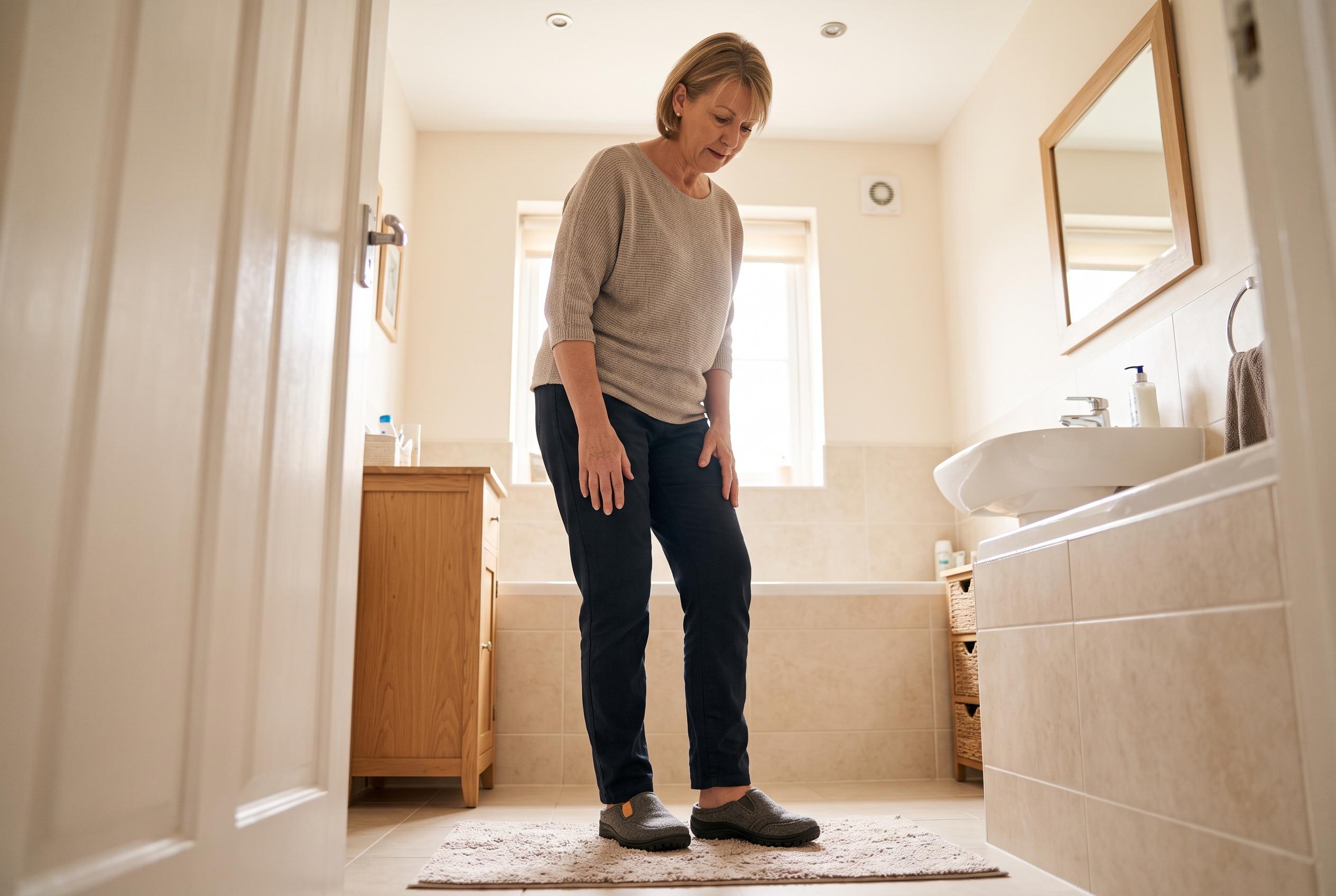

Epsom salt foot soaks remain a popular, low-cost method for easing foot soreness, but recent guidance highlights limited scientific evidence and warns diabetics to exercise caution due to potential skin risks.
Epsom salt foot soaks can be a useful way to ease tired, achy feet after a long day on the golf course or the pickleball court, but the main benefit appears to come from warmth and rest rather than any proven magnesium absorption through the skin. Health and podiatry guidance reviewed for 2026 continues to support the idea that a properly timed soak can help relax stiff tissue and soothe general soreness, while also stressing that the evidence for a stronger medical effect remains limited.
That distinction matters because foot soaks are not harmless for everyone. Medical News Today and Healthline both caution that people with diabetes should be especially careful, since prolonged soaking can dry the skin, create cracks and raise the risk of infection. For that reason, anyone with reduced sensation, poor circulation, an open wound or a foot infection should not treat Epsom salt as a routine self-care fix without medical advice.
When used, the standard approach is simple: warm water, not hot, for about 15 to 20 minutes, with roughly half a cup of Epsom salt per gallon. Guidance from health sites also recommends drying the feet thoroughly afterwards and applying a fragrance-free moisturiser straight away. That final step is often overlooked, yet it is important because repeated soaking can leave heels dry and prone to splitting.
Experts also say the soak should be viewed as preparation, not treatment. It may help loosen the calves and the plantar fascia before stretching, which can be useful for people managing mild heel pain, but it will not correct a stress fracture, nerve problem or other structural foot issue. If pain keeps returning, or if numbness, swelling or skin changes appear, the better next step is a podiatrist rather than a longer soak.
The mixed advice around Epsom salt reflects a wider reality: it is widely used, generally low cost and often soothing, but its claims outpace the science. For most healthy adults, a short warm soak can be a reasonable comfort measure. For people with diabetes or circulation problems, caution is the safer rule.
Disclaimer: This content is for informational purposes only and is not intended to be a substitute for professional medical judgment, advice, diagnosis, or treatment.