

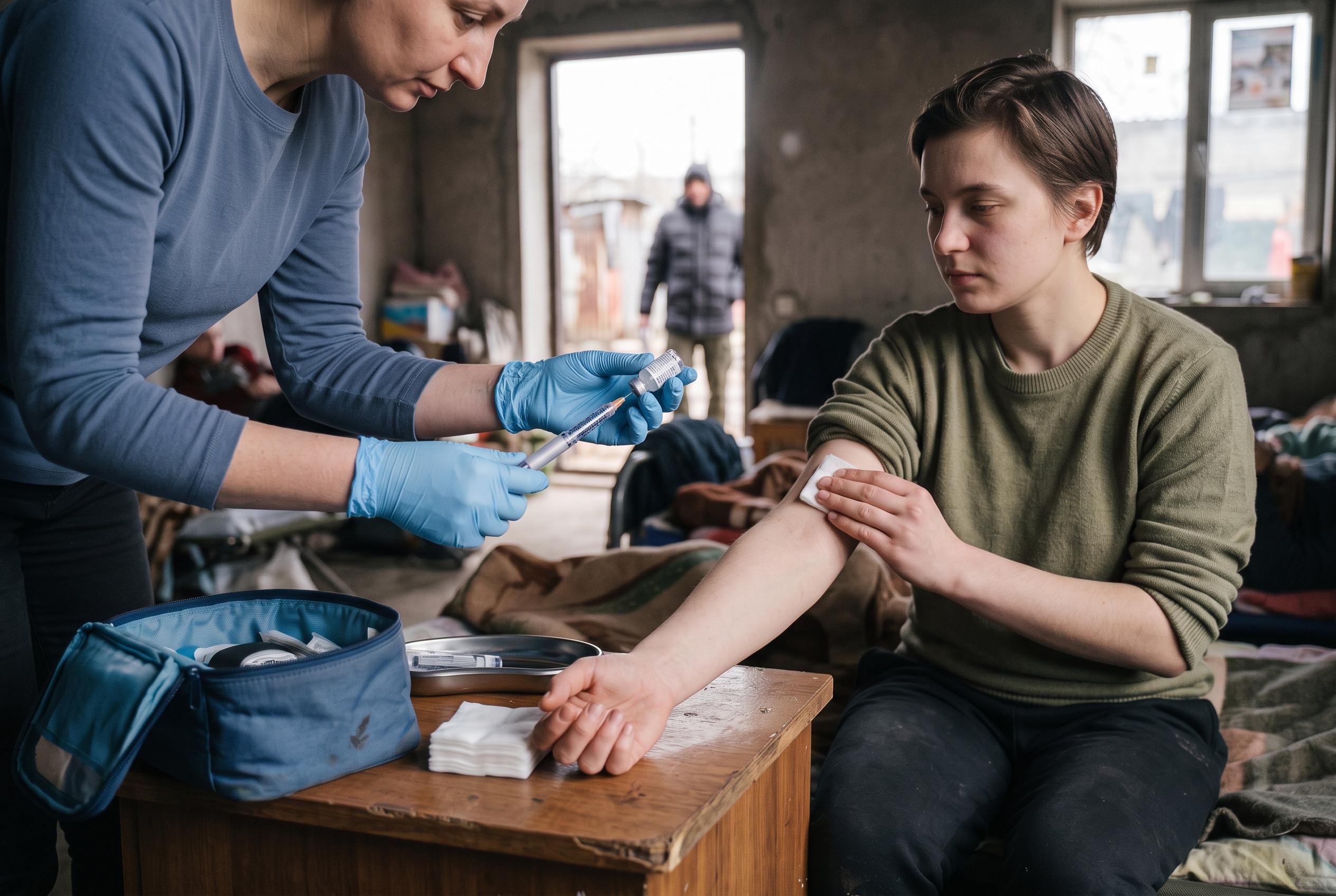

Displaced individuals with type 1 diabetes face heightened risks as conflict disrupts access to insulin and essential supplies, exposing urgent gaps in emergency healthcare amid ongoing global crises.
Living with type 1 diabetes means treating insulin, monitoring supplies and food as daily necessities, not optional extras. For one writer reflecting on diagnosis and displacement, the condition quickly became inseparable from upheaval: after graduating in 2021, she had to learn a strict new routine, then saw it unravel when conflict forced her from home in 2023. What had once been a difficult but manageable adjustment turned into a struggle for continuity, with constant fear replacing stability.
Her account captures a broader reality recognised by humanitarian groups and clinicians. The International Diabetes Federation says people with diabetes face acute risks during emergencies because access to insulin, glucose testing and stable meals can disappear just when they are most needed. The federation notes that conflict and displacement can also undermine access to clean water, utilities and safe environments, all of which can worsen glycaemic control and increase the risk of serious complications.
Medical guidance published by the American Diabetes Association has made a similar point in relation to conflict settings, arguing that patients with type 1 diabetes must be identified quickly and kept supplied with insulin and essential monitoring tools. The article stresses that crisis conditions often make tight blood-glucose control unrealistic and potentially unsafe, and that priority should go to the most vulnerable patients, including pregnant women, older adults and people already living with complications.
Recent research has reinforced those warnings. A qualitative study in the journal Conflict and Health found that displaced people with diabetes during the Israel-Hamas war faced major obstacles in obtaining medicines, coping with stress and maintaining any kind of routine. Médecins Sans Frontières has likewise argued that diabetes care in humanitarian settings depends on dependable supplies, adapted services and restored access to healthcare, while advocacy group T1International says the condition does not pause for war, poverty or displacement. Taken together, these accounts show that for people with type 1 diabetes, crisis is not only a threat to shelter and safety, but to the most basic elements of survival.
Disclaimer: This content is for informational purposes only and is not intended to be a substitute for professional medical judgment, advice, diagnosis, or treatment.



