

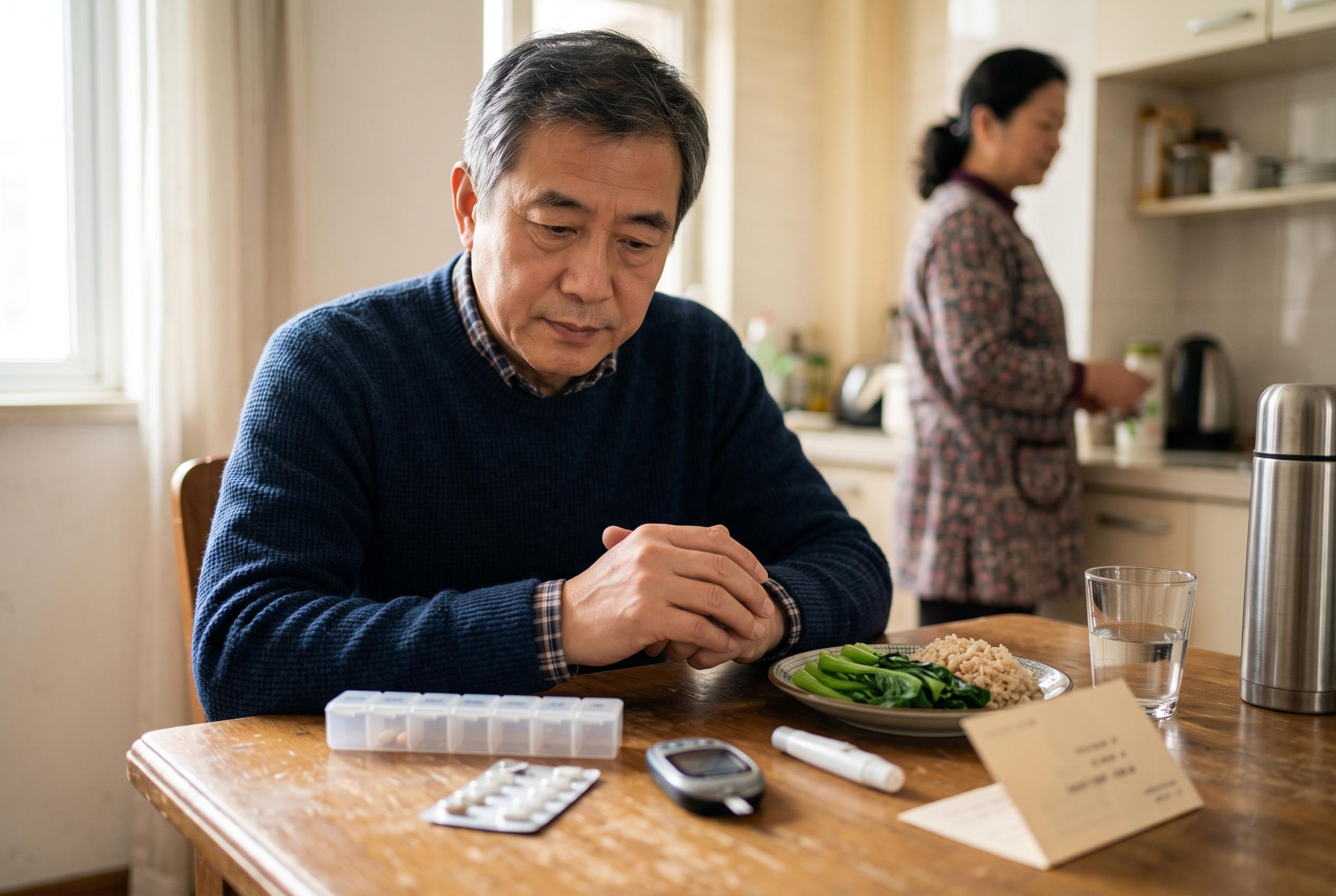

A multicentre Chinese study highlights the effective and safe use of a fixed-dose metformin and empagliflozin tablet in routine diabetes management, with notable improvements in glucose control, modest weight loss, and blood pressure reductions.
A prospective, multicentre real-world study in China has found that a fixed-dose tablet combining metformin hydrochloride and empagliflozin was associated with better glucose control, modest weight loss and small reductions in blood pressure in adults with type 2 diabetes, while showing no new safety concerns. The study, published by Wiley, is notable because it reflects routine practice rather than a tightly controlled trial setting, offering a closer look at how the combination performs in everyday care.
The researchers followed consecutive patients across 50 clinical centres between August 2023 and August 2025, with assessments at three and six months. Most participants had already been treated for diabetes before switching to the single-pill regimen. At baseline, the median age was 54 years, the median HbA1c level was 8.3% and the median body mass index was 25.7 kg/m², indicating that many patients entered the study with suboptimal glycaemic control and excess weight. By six months, 58.9% of patients in the full analysis set had reached the usual HbA1c target of below 7%, up from 20.2% at baseline, and the median HbA1c reduction was about 1.1 percentage points.
Other metabolic measures moved in the same direction. Median fasting plasma glucose fell by 1.82 mmol/L over six months, while body weight declined by 1.7 kg and waist circumference fell modestly. Blood pressure improvements were smaller but still present, with median systolic and diastolic readings each down by 2 mmHg at six months and the share of patients meeting a blood pressure goal of below 130/80 mmHg rising from 30.15% to 38.90%. The study also reported that the effect was broadly consistent across age groups, baseline HbA1c levels, body mass index categories and treatment backgrounds, although younger patients, those with lower starting HbA1c and people with overweight or obesity tended to do better.
Safety outcomes were reassuring. In the safety set, 13.27% of patients reported at least one adverse event, but serious events were uncommon. The study recorded 14 major adverse cardiovascular events and two major adverse kidney events, alongside one case of diabetic ketoacidosis, one report of hypoglycaemia, 12 urinary tract infections and nine genital infections. Only 4.77% of patients needed a dose or schedule change during follow-up, suggesting that the regimen was generally manageable in routine practice.
The findings fit with the wider evidence base on empagliflozin-based combination therapy. A Chinese phase III trial of empagliflozin added to insulin found meaningful HbA1c reductions without raising hypoglycaemia risk, while a separate real-world analysis of dapagliflozin plus metformin in Chinese patients also reported that the combination was well tolerated. The new Chinese study adds to that picture by suggesting that a metformin-empagliflozin fixed-dose tablet can deliver durable, clinically relevant benefits in a broad real-world population, although the authors note that the observational design, missing data and changes in background treatment mean the results cannot prove cause and effect.
Disclaimer: This content is for informational purposes only and is not intended to be a substitute for professional medical judgment, advice, diagnosis, or treatment.



