


Aurelio Rojas, a Málaga cardiologist popular on social media, recommends selecting fibre-rich, low-glycaemic fruits like kiwi, berries, and apples for evening consumption to improve sleep quality and support cardiovascular health, highlighting the impact of sugar intake on overnight metabolic processes.
Aurelio Rojas, the Málaga cardiologist who has built a large audience on social media, is telling followers that the question with fruit at supper is not whether it is healthy, but when and which kind they choose. In an Instagram video picked up by AS.com and Directo al Paladar, Rojas said people trying to protect their sleep should be cautious with sweeter fruits late in the evening, singling out banana, grapes, mango and pineapple as options he would rather leave for earlier in the day because they can push up insulin when the body ought to be winding down.
His argument, repeated across several Spanish reports, is that a broken night may do more than leave people groggy. Río Negro said Rojas links late-night sugar spikes to the body’s overnight rhythm, when insulin production naturally falls and energy use slows so that repair processes can take priority. In that account, he argued that higher-glycaemic foods can raise glucose, cortisol and sympathetic nervous system activity at the wrong time, nudging up heart rate and baseline blood pressure when the cardiovascular system should be settling. El Periódico’s recipe site placed the same advice in a broader health frame, noting that chronic poor sleep is associated with higher risks of hypertension, inflammation and cardiovascular disease.
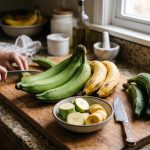
Rojas is not calling for fruit to disappear from dinner altogether, and some of the follow-up coverage makes that distinction more clearly than the original claim. Directo al Paladar said his warning matters especially for people who already need to watch night-time glucose control, including some people with diabetes, because the fruits he singled out tend to have a stronger glycaemic effect. The same report also added an important qualification on bananas: the concern is mainly with ripe, yellow, softer fruit, whereas a greener, firmer banana contains less sugar and more fibre, so it does not behave in quite the same way.
Instead, Rojas has offered a shortlist of what he sees as better bedtime choices. Málaga Hoy and AS.com both said kiwi sits at the top of that list. He describes it as rich in vitamin C, with useful serotonin precursors and a low glycaemic index, and says studies have linked it to easier sleep onset and better sleep quality. The reports also say he ties kiwi to possible benefits for the immune system and the gut microbiota, making it the option he most strongly favours when someone wants something sweet without the sharper glucose response he worries about at night.
The other two fruits in his preferred trio are berries and apple. Málaga Hoy said Rojas particularly likes blueberries because of their anti-inflammatory polyphenols, which he says help protect the heart without producing the glucose spikes or nervous system activation he associates with poorer rest. Apple, he added, works best washed and eaten with the skin on, because it provides pectin, a soluble fibre that slows digestion, improves satiety and, in his view, does not get in the way of sleep. El Periódico’s version of the story sharpened the same point by saying the aim is informed choice rather than prohibition: some fruits can rev up metabolism at night, while others fit more comfortably with rest.
Other voices in the coverage broadened the picture slightly beyond Rojas’s own video. Heraldo said some specialists also point to cherries as a sleep-friendly option, citing studies in which drinking cherry juice, one cup twice a day, was associated with longer total sleep time and better sleep efficiency because of its melatonin content, the hormone involved in regulating circadian rhythm. That does not overturn Rojas’s advice, but it does suggest the discussion is wider than one doctor’s ranking of three fruits and four fruits to limit.
What emerges from the combined reports is a more practical message than a simple warning about sugar. Rojas, who Directo al Paladar identifies as the author of “Tu corazón tiene algo que decirte”, is effectively telling people to match their evening snack to the body’s overnight state: lower-glycaemic, fibre-rich fruit if they want something fresh, and sweeter options earlier in the day. Málaga Hoy summed up his wider case with the line that seemingly small adjustments can have “una gran repercusión sobre tu salud”. Whether or not every follower will accept the mechanism in full, the advice has plainly struck a chord because it turns an everyday habit into a question about sleep quality, metabolic control and, ultimately, heart health.
Disclaimer: This content is for informational purposes only and is not intended to be a substitute for professional medical judgment, advice, diagnosis, or treatment.