

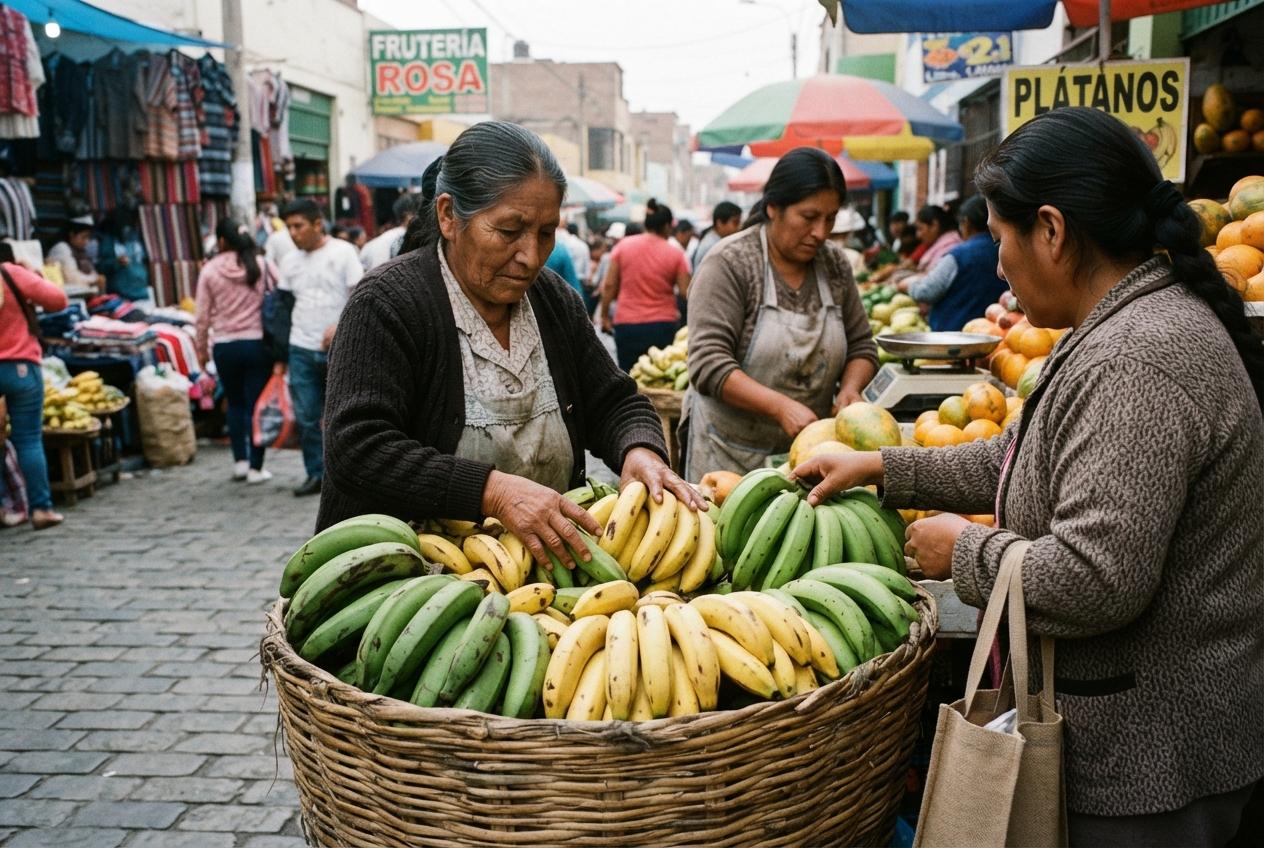

Nutrition experts highlight that the ripeness of bananas significantly affects their impact on blood sugar levels, with greener fruits posing a lower risk of causing glucose spikes, especially when paired with proteins or healthy fats.
How a banana affects blood sugar depends largely on how ripe it is. Nutrition experts say the fruit’s natural sugars rise as it matures, while its fibre content falls, changing the way the body absorbs its carbohydrates. That means a greener banana is generally less likely to trigger a sharp glucose rise than a soft, heavily ripened one.
According to Healthline, unripe bananas contain more resistant starch, which behaves more like fibre and is digested more slowly. As the fruit ripens, that starch is converted into sugars, pushing up its glycaemic impact. The same source notes that banana size matters too, because larger fruit brings more carbohydrates and therefore a bigger effect on blood sugar.
That does not mean people with diabetes need to avoid bananas altogether. The American Diabetes Association says fruit can still fit into a balanced diet because it brings vitamins, minerals, antioxidants and fibre. Experts also point out that fibre may help moderate post-meal glucose levels and support longer-term blood sugar control, including HbA1c, particularly when it forms part of an overall high-fibre diet.
The practical advice is straightforward: keep portions modest, choose slightly under-ripe fruit where possible, and pair bananas with protein or healthy fats such as nuts or natural yoghurt. Doing so can soften the body’s glucose response and make the fruit easier to fit into a diabetes-friendly meal plan.
Disclaimer: This content is for informational purposes only and is not intended to be a substitute for professional medical judgment, advice, diagnosis, or treatment.