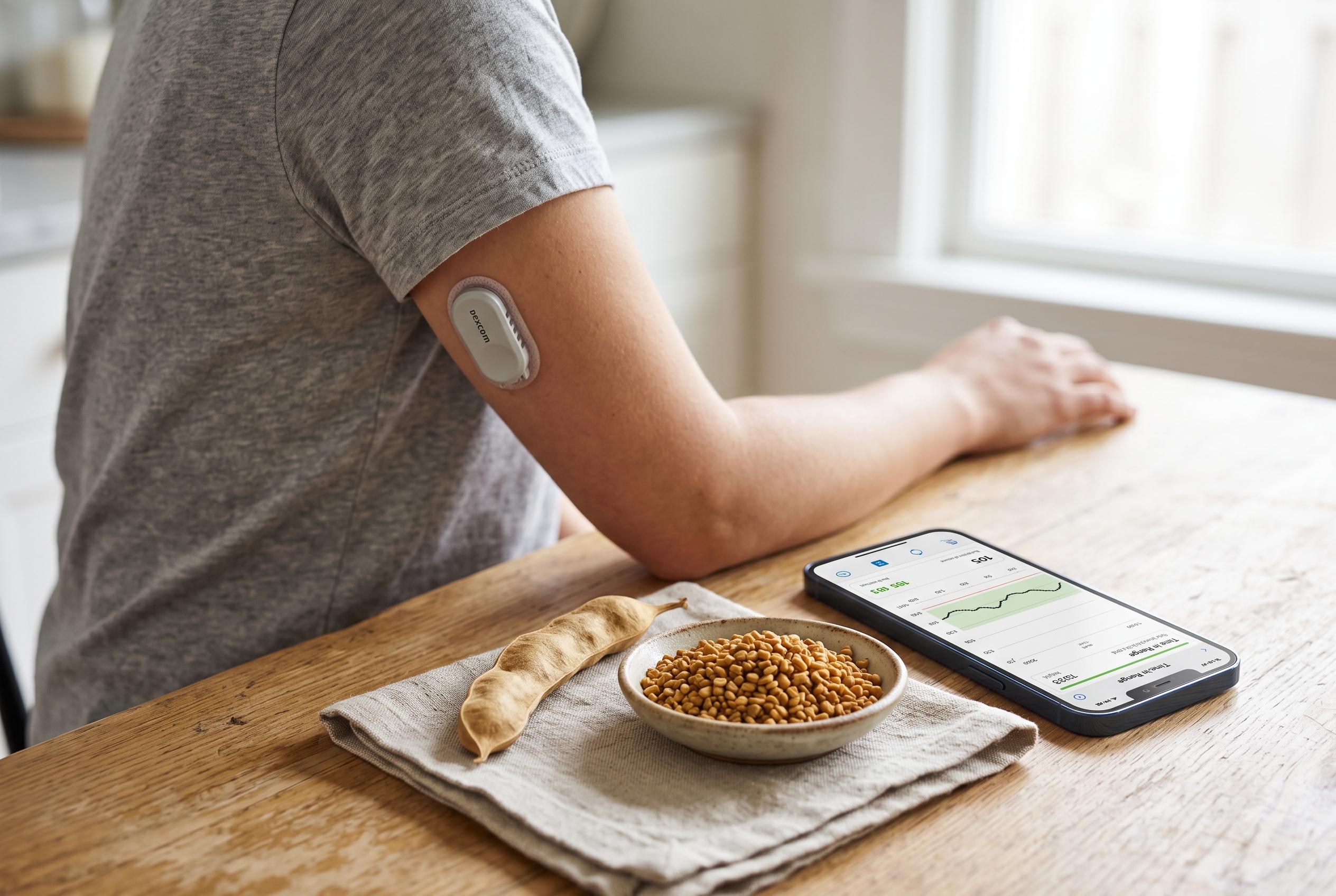

While traditionally used for various health issues, recent studies indicate fenugreek could aid in stabilising blood glucose levels in type 2 diabetes, though its role remains experimental and should complement medical care.
Fenugreek has been part of traditional medicine for centuries, with uses that range from digestive complaints to appetite loss and lactation support. Modern interest, however, centres on one claim above all others: its possible role in helping to steady blood sugar. Healthline notes that the seeds are rich in soluble fibre and contain compounds such as 4-hydroxyisoleucine, which researchers have studied for their effects on insulin release and glucose handling.
That interest is not just anecdotal. A systematic review and meta-analysis indexed on PubMed found that fenugreek supplementation was associated with lower fasting blood glucose, post-meal glucose and glycated haemoglobin, suggesting it may have value as a complementary approach for people with type 2 diabetes. Drugs.com, summarising the same body of research, reported that the clearest signals were seen in fasting and post-load glucose, while fasting insulin levels did not change significantly, implying that other mechanisms may be involved.
Fenugreek is also promoted for broader metabolic benefits, although the evidence is less settled. Medical News Today says some studies suggest possible effects on cholesterol and inflammation, but stresses that more research is needed and warns that gastrointestinal side effects and allergic reactions can occur. That caution is important for anyone considering supplements, especially because fenugreek is marketed in many forms, including capsules, tinctures, herbal teas and topical preparations.
In practice, the dose and preparation vary widely. Healthline says some studies have used around 10 grams of fenugreek seeds soaked in hot water, while the lead article suggests 5 to 10 grams of seed powder taken with meals. Even so, the evidence does not support treating fenugreek as a substitute for diabetes care. At most, it appears to be a possible add-on, best approached with medical advice rather than as a stand-alone remedy.
Disclaimer: This content is for informational purposes only and is not intended to be a substitute for professional medical judgment, advice, diagnosis, or treatment.