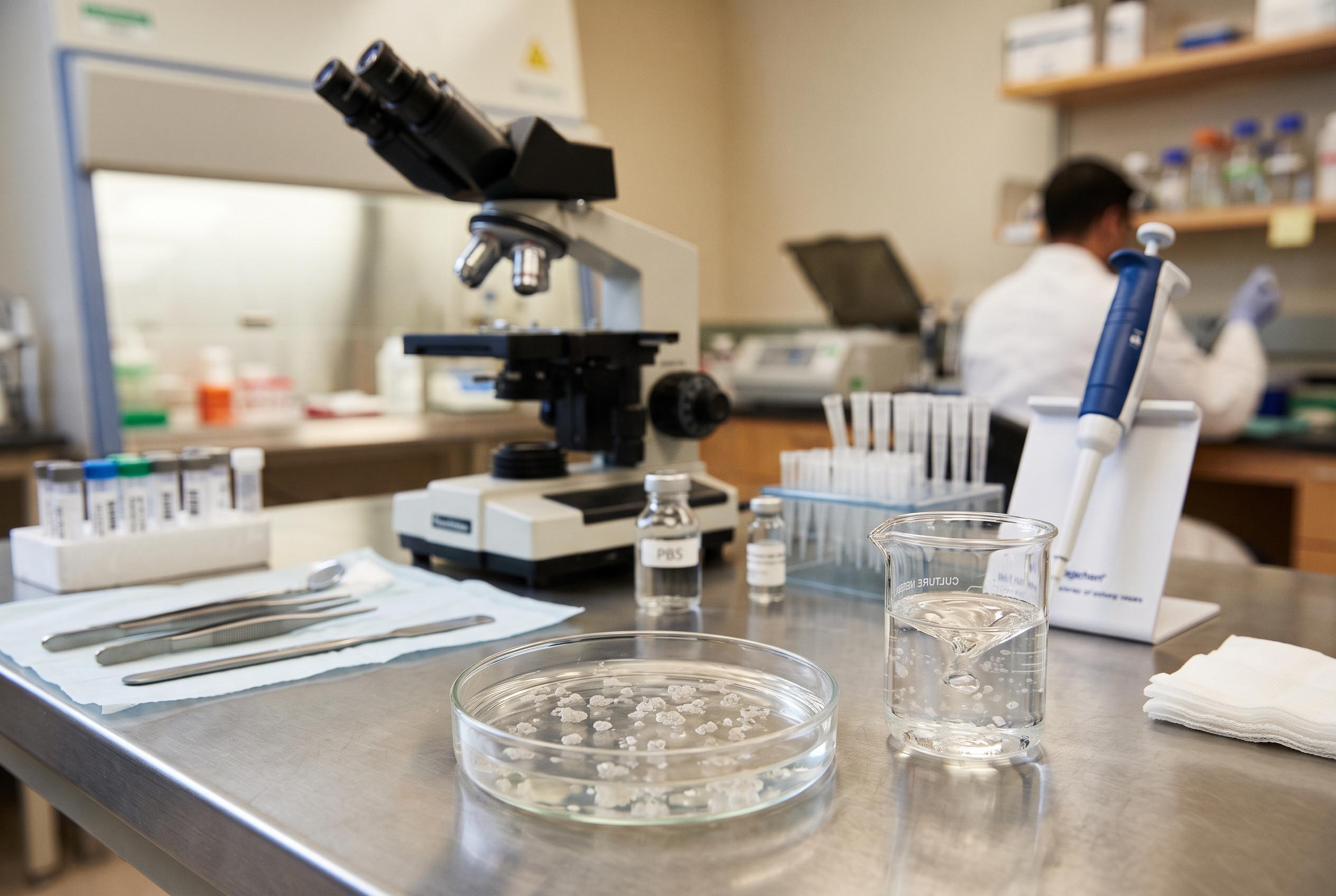

Scientists at the Medical University of South Carolina have demonstrated in mice that retraining the immune system with stem cell-derived treatments can reverse new-onset Type 1 diabetes, paving the way for human trials aimed at tackling the disease’s root cause.
Scientists at the Medical University of South Carolina have reported an experimental approach that reversed new-onset Type 1 diabetes in mice by retraining the immune system rather than simply replacing insulin. The work, published in Molecular Therapy, centres on self-regulating T cells designed to stop the immune system from destroying the body’s insulin-producing cells, a process that lies at the heart of the disease.
Type 1 diabetes develops when the immune system attacks pancreatic beta cells, leaving patients dependent on insulin for survival. According to the National Institutes of Health, insulin helps regulate blood sugar and enables cells to use glucose for energy. The condition can lead to serious complications, including damage to the heart, kidneys, nerves, eyes and feet, particularly when blood sugar remains poorly controlled.
Lead researcher Hongjun Wang said the experimental treatment uses adult stem cells derived from donated umbilical cords to help repair damaged tissue and to shape immune activity even after diabetes has begun. In comments reported by SciTechDaily, Wang said insulin injections remain lifesaving but do not halt immune attacks or prevent long-term complications, adding that the study points to a way of treating the root cause of the disease. In the mouse trials, the researchers reported a rise in protective regulatory T cells and a decline in attacking immune cells, with the effect persisting after the stem cells were no longer present.
The new findings build on earlier work at MUSC. In January 2026, Leonardo Ferreira received a $1 million Breakthrough T1D grant to explore a related strategy that combines stem cell biology, immunology and transplantation science. That project aims to co-engineer stem cell-derived insulin-producing beta cells with regulatory T cells so that lost cells can be replaced and protected without the need for immunosuppressive drugs. Separate research published in Stem Cell Research & Therapy in 2024 described the first reported reversal of diabetes using stem cell-derived beta cells paired with regulatory T cells in a mouse model, underscoring growing interest in approaches that tackle both cell loss and autoimmunity.
The next step is a human trial. According to the report, the National Institutes of Health has approved a study involving 60 participants aged 18 to 40 who are within six months of diagnosis, with the trial due to start in February. The researchers said the approach is most likely to help when Type 1 diabetes is caught early, before insulin-producing cells are largely destroyed.
Disclaimer: This content is for informational purposes only and is not intended to be a substitute for professional medical judgment, advice, diagnosis, or treatment.