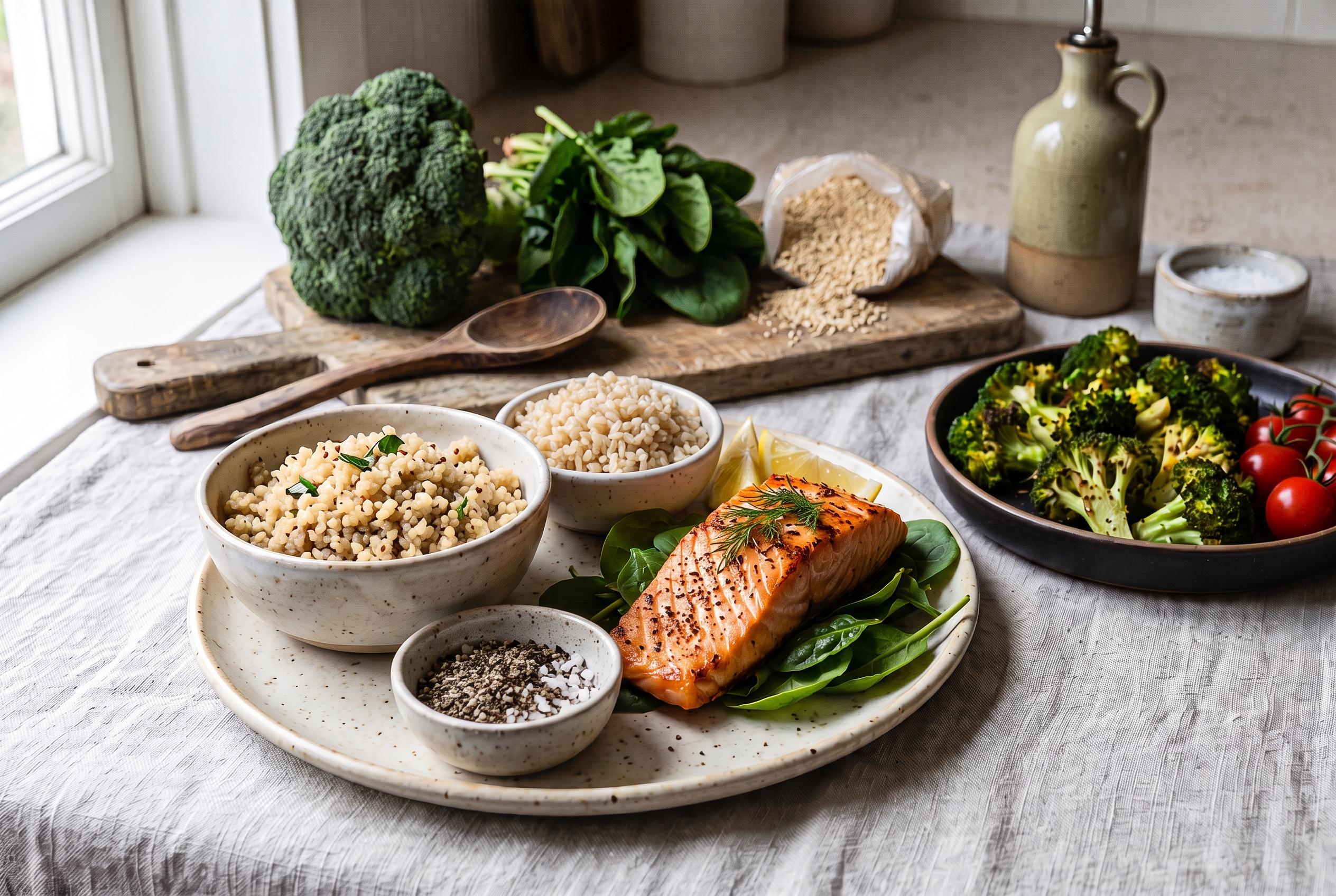

Emerging guidance suggests that focusing on the quality and portion of carbohydrate-rich foods, rather than carbohydrate quantity alone, can aid blood sugar control, weight management, and heart health.
A low glycaemic index diet is less about cutting carbohydrates than choosing them more carefully. The approach favours foods that raise blood sugar more slowly, with an emphasis on fibre, minimally processed ingredients and sensible portions. Harvard T.H. Chan School of Public Health says the glycaemic index ranks carbohydrate-containing foods by how quickly they affect blood glucose, while glycaemic load adds the amount of carbohydrate in a serving into the picture.
In practical terms, that means shifting towards foods such as legumes, oats, barley, whole fruits, non-starchy vegetables, nuts and seeds. Harvard Health and the Cleveland Clinic both note that these choices tend to produce a steadier blood-sugar response than refined grains, sugary drinks and heavily processed baked goods. The broader message from both institutions is that GI can be useful, but it does not replace overall diet quality.
The potential benefits are clearest for people trying to manage blood sugar. Harvard Health says lower-GI foods are digested more slowly, which can help moderate post-meal glucose spikes. That may be useful in diabetes care and prevention, though experts stress that it complements rather than replaces medication, monitoring and medical advice. The same pattern may also support weight control, partly because higher-fibre foods can be more filling and help people eat less overall.
There is also a heart-health angle. A diet built around vegetables, beans, whole grains, nuts and unsaturated fats overlaps heavily with mainstream advice on cardiovascular health. Harvard Health has said that when people focus only on GI, they can miss the bigger point: a food with a lower GI is not automatically healthy if it is high in salt, saturated fat or added sugar. That is why diet quality matters as much as the number itself.
For Indian-style meals, the article’s advice is to swap refined staples for more fibre-rich options where possible. That could mean vegetable oats or besan chilla at breakfast, dal and salad with a moderate serving of whole-grain roti at lunch, and fruit, roasted chana or unsweetened yoghurt for snacks. Rice does not need to disappear entirely; Harvard notes that GI varies widely by variety, processing and cooking method, so portion size and what is eaten alongside it matter a great deal.
The distinction between glycaemic index and glycaemic load is important here. A food can have a relatively high GI but still have a limited effect if the portion is small. Harvard Health describes glycaemic load as a more practical measure in some situations because it reflects both quality and quantity of carbohydrate. For many people, the most workable strategy is not a strict rulebook, but a steady pattern of eating fewer refined carbohydrates, more plant foods and enough protein to make meals more balanced.
Disclaimer: This content is for informational purposes only and is not intended to be a substitute for professional medical judgment, advice, diagnosis, or treatment.