

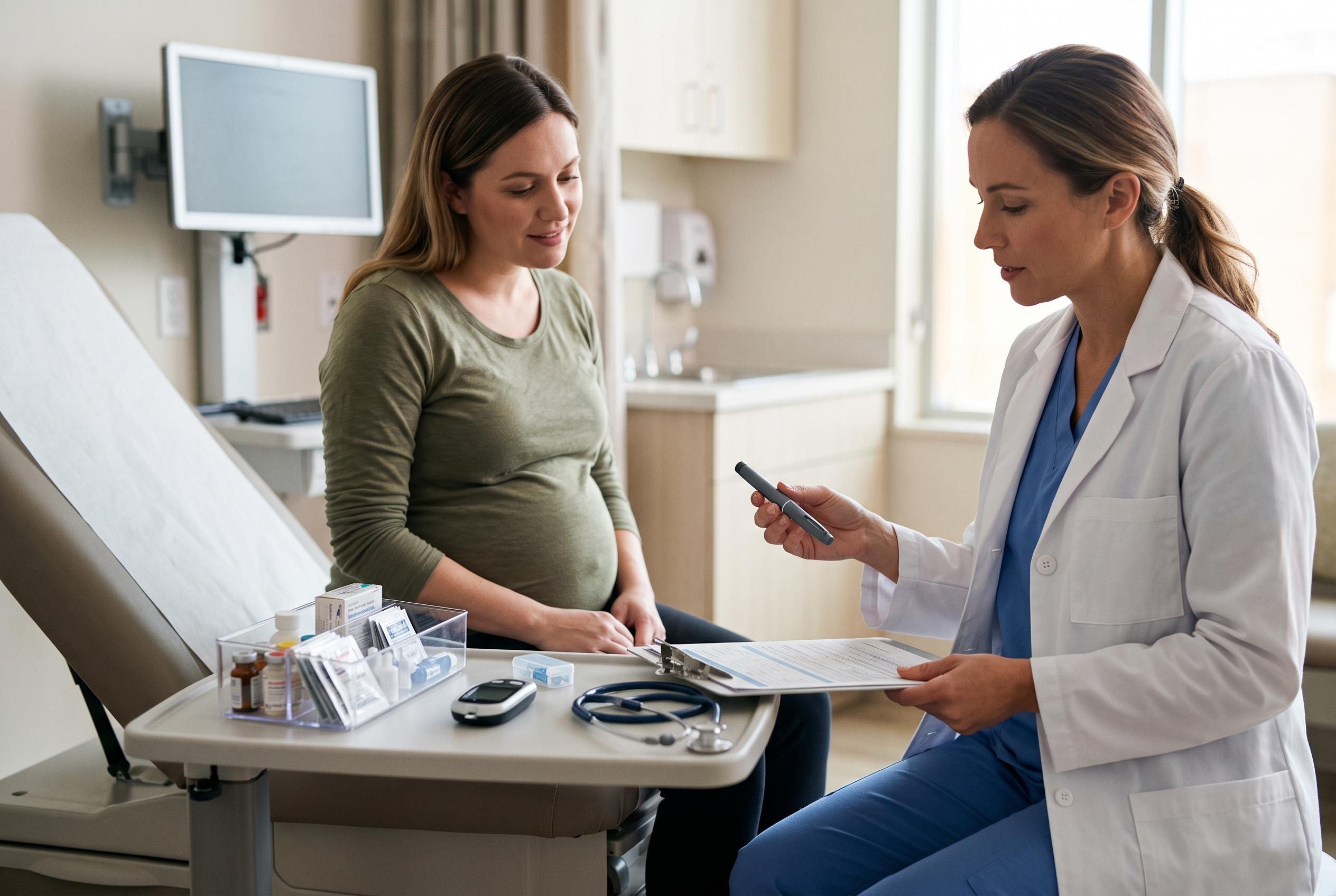

A comprehensive review presented at the European Association for the Study of Diabetes indicates that GLP-1 drugs do not significantly increase adverse pregnancy outcomes, though calls for more definitive evidence persist.
New research to be presented at the European Association for the Study of Diabetes meeting in Milan suggests that glucagon-like peptide-1 receptor agonists, or GLP-1s, do not appear to be linked with worse pregnancy outcomes in most cases when used by women living with diabetes. The review, which is also due to be published in The Lancet Obstetrics, Gynaecology & Women’s Health, pooled available studies and found no clear signal of harm for outcomes including preterm birth, stillbirth, neonatal death, caesarean delivery, hypertensive disorders of pregnancy, pre-eclampsia or babies being small for gestational age.
The findings add to a small but growing evidence base around drugs now widely used for blood sugar control and weight management. The authors analysed seven studies involving more than 43,000 women exposed to GLP-1 drugs, mostly in the first trimester or in the months before pregnancy. But the evidence remains patchy, and the timing of exposure was often not recorded precisely enough to draw firm conclusions about use later in pregnancy.
One area that did raise caution was early pregnancy loss. The meta-analysis found a higher rate of miscarriage or termination among exposed women, but the researchers said that result must be interpreted carefully because one study accounted for almost all of the women in that finding and did not separate miscarriage from elective termination. That makes it impossible to tell whether the higher rate reflected drug exposure or differences in pregnancy outcome recording.
The review also fits with other recent research. A March 2026 analysis in PubMed, based on studies of GLP-1 and dual GLP-1/GIP receptor agonists, similarly found no consistent association between early exposure and major congenital malformations, fetal growth restriction, stillbirth or neonatal death. Earlier work published in JAMA Internal Medicine in December 2023 also reported no increase in major birth defects with periconceptional use of second-line diabetes medicines, including GLP-1s. Even so, the British Medicines in Pregnancy website continues to advise against using GLP-1 receptor agonists during pregnancy, saying other treatments with more safety data are available.
The researchers behind the latest review say the strongest message is not reassurance without qualification, but the need for much better evidence. Professor Claire Meek, one of the authors at the Leicester Diabetes Research Centre and Leicester NIHR Biomedical Research Centre, said women deserve clearer data on fertility, pregnancy and maternal and child health as the use of these medicines rises. The panel backed GLP-1 use before conception when needed to improve metabolic health in women with type 2 diabetes, while stressing that direct evidence remains limited for women with type 1 diabetes, previous gestational diabetes, later pregnancy and breastfeeding.
Disclaimer: This content is for informational purposes only and is not intended to be a substitute for professional medical judgment, advice, diagnosis, or treatment.



