

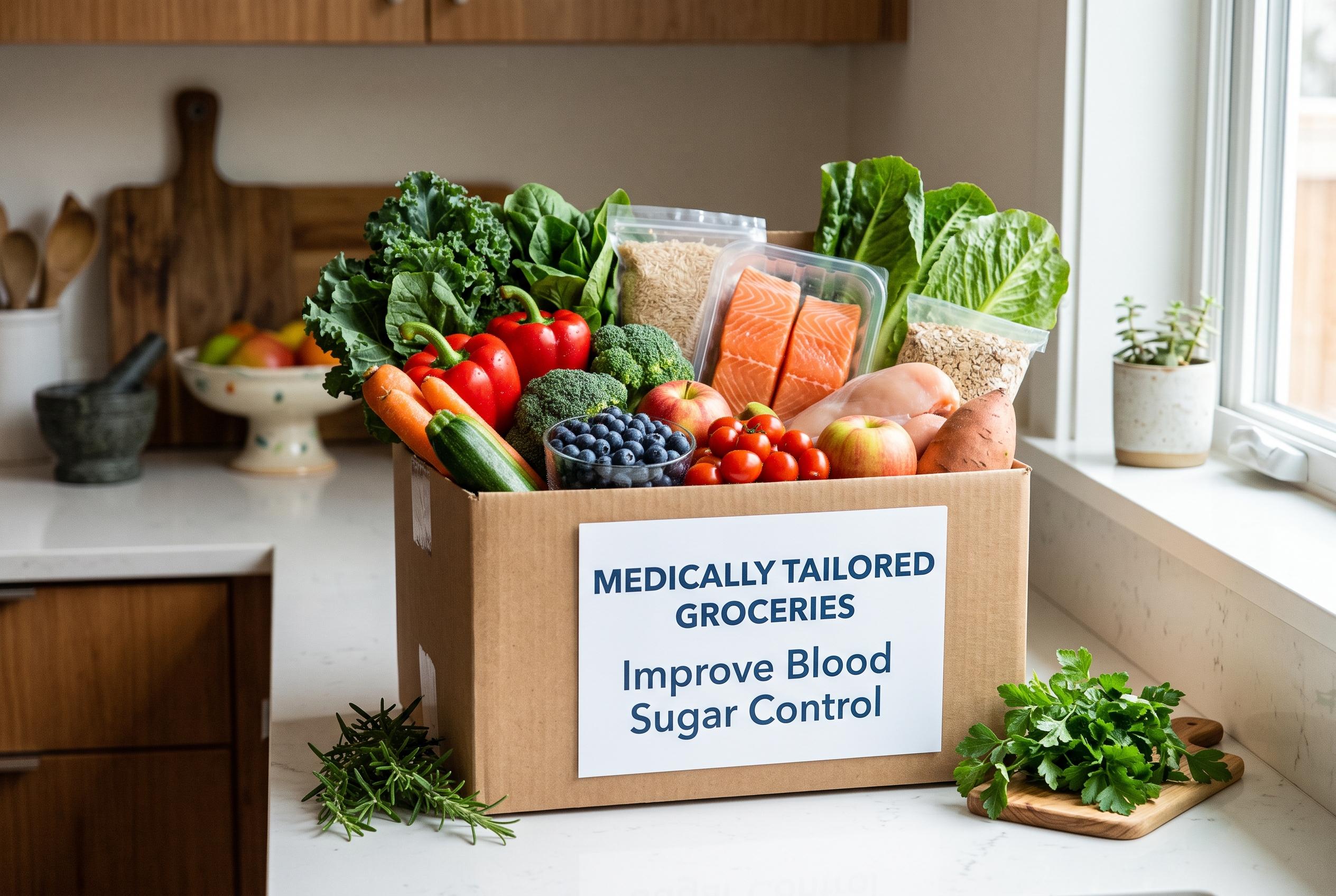

A recent clinical trial suggests that providing healthy groceries through tailored meal delivery programmes can significantly aid people with poorly controlled type 2 diabetes, especially those struggling to afford nutritious food, by lowering their HbA1c levels and improving access to healthy diets.
A clinical trial published in Circulation suggests that medically tailored grocery deliveries may help people with poorly controlled type 2 diabetes improve their blood sugar when healthy food is hard to afford. The study followed 460 adults in Southern California who had Medicaid coverage and elevated HbA1c readings, a measure of average blood sugar over several months. Researchers tested whether adding food support to standard care could improve outcomes for patients facing both diabetes and food insecurity.
According to the trial, participants were randomly assigned either to usual care or to receive monthly packages of healthy groceries for six months, along with simple recipes and online nutrition counselling. The food deliveries were worth about $100 to $210 a month. Those who received the support saw a larger fall in HbA1c than the control group, with the improvement amounting to roughly two-thirds of a percentage point compared with about one-quarter of a point for usual care alone.
The benefits were not limited to blood sugar. The intervention also improved reliable access to nutritious food, which the researchers said may help explain the better diabetes control. The findings were consistent across men and women, different education levels and varying degrees of food insecurity, even after accounting for medicines and other health conditions. The study did not find meaningful changes in weight or blood pressure over six months, although the authors said those measures often take longer to shift.
The results add to a growing body of evidence that food support can play a role in chronic disease care. PubMed summaries of earlier studies have found that meal delivery and other grocery-based programmes can lower HbA1c, although one trial of grocery vouchers improved fruit and vegetable intake without clearly improving blood sugar. Taken together, the research suggests that simply making healthier food available may not be enough on its own, but that direct delivery programmes with education and coaching could offer a more effective route for some patients.
Disclaimer: This content is for informational purposes only and is not intended to be a substitute for professional medical judgment, advice, diagnosis, or treatment.