

Donna’s story exemplifies how adopting a low-fat, whole-food, plant-based approach can significantly improve blood sugar levels, reduce medication dependence, and transform daily life for those with type 2 diabetes, according to the Mastering Diabetes programme.
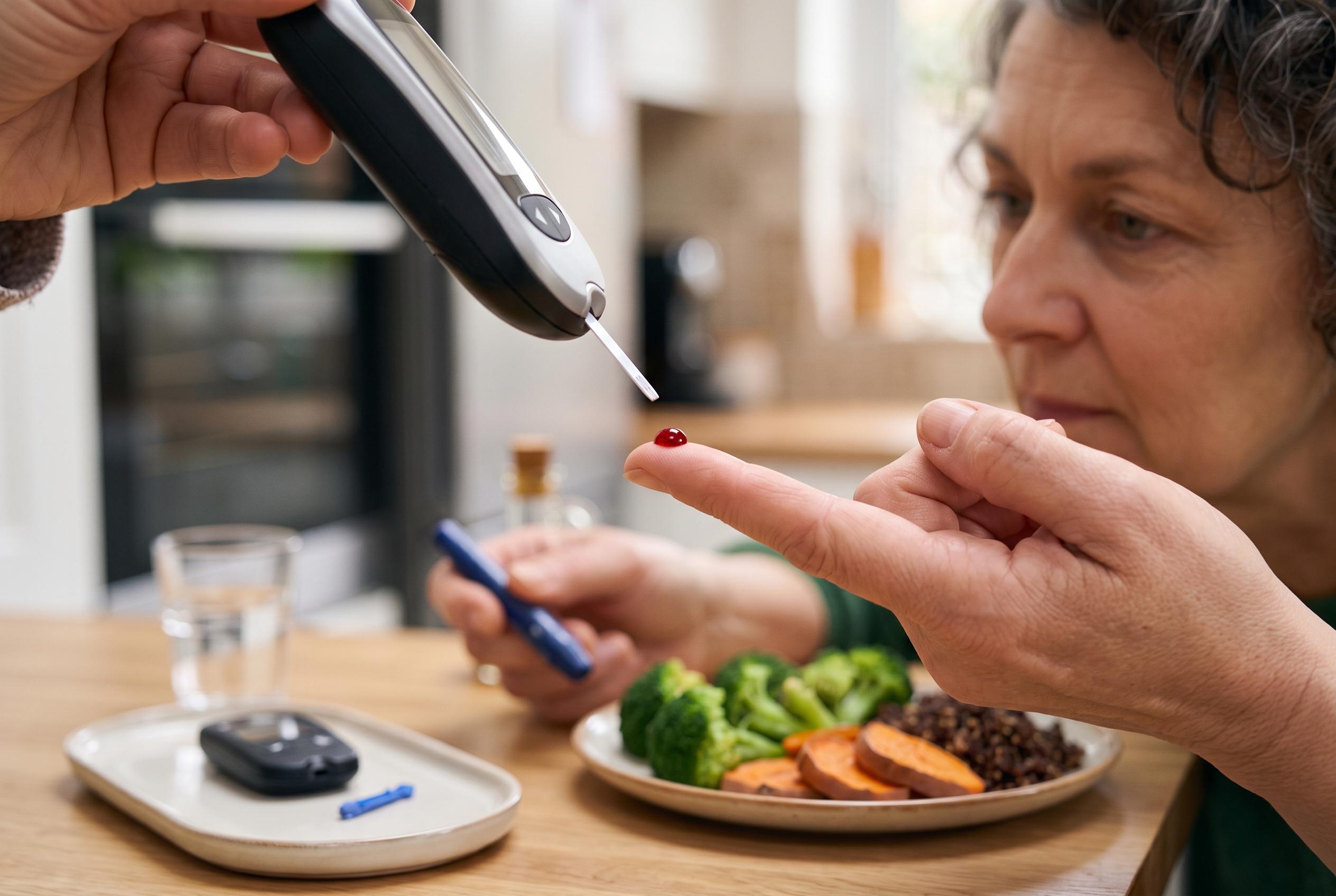
Donna was tired to the point of collapse before she found a dietary approach that she says changed her life. After a doctor’s visit confirmed an A1c of 11.0% and fasting blood glucose of 325 mg/dL, she began looking for answers and came across Mastering Diabetes, a programme built around low-fat, whole-food, plant-based eating. According to the account published by Mastering Diabetes, her numbers improved markedly after she adopted the plan and joined its coaching support, with A1c falling to 6.1% and fasting glucose dropping to 107 mg/dL.
Her story fits a wider pattern seen in other testimonials from the same programme. Mastering Diabetes says cardiac electrophysiologist Asim Yunus lowered his A1c from 10.8% to 5.9% and stopped diabetes medication after six months on a similar diet, while another participant, Peter, reached an A1c of 5.8% in eight weeks. The programme argues that the key is not simply eating plant-based foods, but eating in a way designed to improve insulin sensitivity by keeping dietary fat low.
Research cited in related material suggests that this approach may have a physiological basis. A study published in JAMA Network Open found that a low-fat, plant-based diet increased metabolism and improved body weight and insulin sensitivity, with participants also showing lower levels of fat in the liver and muscle. That said, other diabetes programmes take a different route: Virta Health, for example, promotes extremely low-carbohydrate eating paired with coaching, and the company says a 10-week study found a 1% reduction in A1c, reduced medication use and average weight loss of about 7%.
For Donna, the biggest change was not only in the lab results but in daily life. She says she moved from struggling with simple household tasks to walking more, exercising on a rebounder and waking with more energy. Her account also describes a broader shift in confidence, helped by coaching and a peer group she found especially supportive. Mastering Diabetes says she now eats meals such as Bombay potatoes and beans, Moroccan squash soup and a quinoa berry breakfast bowl with greens, and no longer sees the diet as restrictive.
Donna’s experience also reflects a common fear among people newly diagnosed with diabetes: that progress will only mean more medication. She says she expected her condition to worsen, not improve, but instead has lost more than 20 pounds and feels better able to manage her health without drugs. The Mastering Diabetes account presents her progress as proof that lifestyle change, when backed by education and support, can give some people a clearer path forward.
Disclaimer: This content is for informational purposes only and is not intended to be a substitute for professional medical judgment, advice, diagnosis, or treatment.