

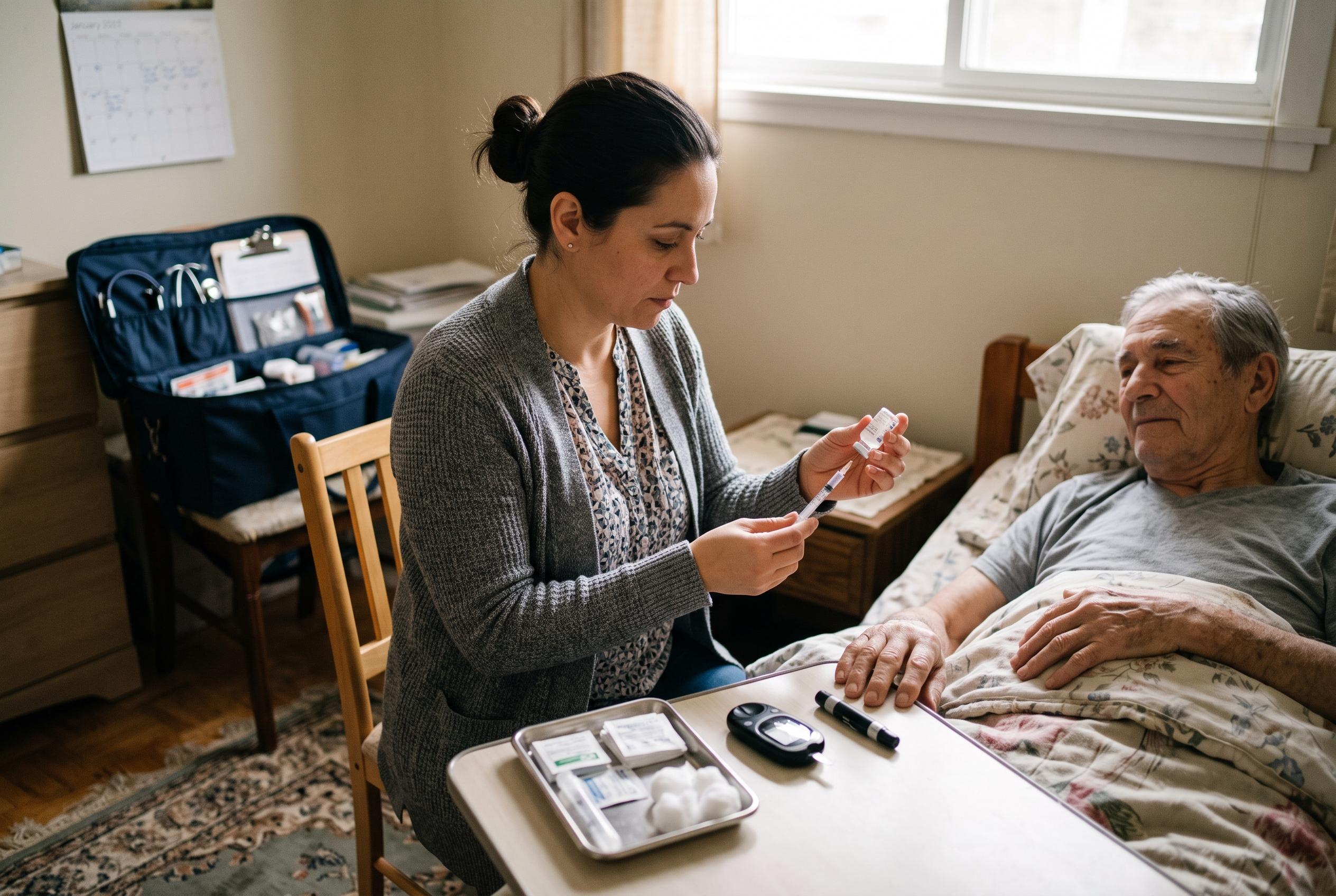

Eli Lilly has unveiled a global commitment to bridge the persistent divide in access to diabetes and obesity medicines between affluent nations and resource-limited markets, targeting parity by 2040 through the Lilly Change the Course initiative.
Eli Lilly has launched a new global health commitment aimed at narrowing what it describes as a persistent gap in access to diabetes and obesity medicines between richer countries and lower-income markets. The company said the plan, called Lilly Change the Course, is designed to reach parity in the number of patients treated in resource-limited settings and high-income countries by 2040. The initiative builds on Lilly’s broader access push, which the company says is intended to make its medicines more available in settings where care is harder to reach.
The announcement comes as obesity and diabetes continue to place a growing burden on health systems worldwide. Lilly said most adults living with diabetes and obesity now live in low- and middle-income countries, yet access to newer treatments often lags by years or even decades. The company also said it will seek to design medicines and clinical development programmes with resource-limited settings in mind from an earlier stage, including attention to storage requirements and trial design. Lilly has previously said it is expanding access to healthcare in lower-resource regions and conducts research in more than 55 countries on weight management.
The company also plans to work with regulators, health systems and non-governmental organisations to speed registration of its diabetes and obesity medicines in more countries, with a particular focus on Africa, Latin America and Asia. Lilly said it wants to pair that effort with health-system support, such as training community health workers, improving awareness and diagnosis, and using digital tools where possible. The firm said it will track progress through its annual sustainability reporting and through updates at global health forums.
The push follows a series of recent access initiatives from the company, including the launch of LillyDirect, a digital healthcare platform in the United States, and a Medicare programme this year that widened access to some obesity medicines for eligible older patients. Lilly has also issued public guidance in the past urging patients and clinicians to use its weight-loss drugs only for approved medical purposes. The new commitment is likely to draw attention because it extends the access debate beyond wealthy markets, where the demand for obesity treatments has already reshaped supply, pricing and public-health policy.
Disclaimer: This content is for informational purposes only and is not intended to be a substitute for professional medical judgment, advice, diagnosis, or treatment.



