

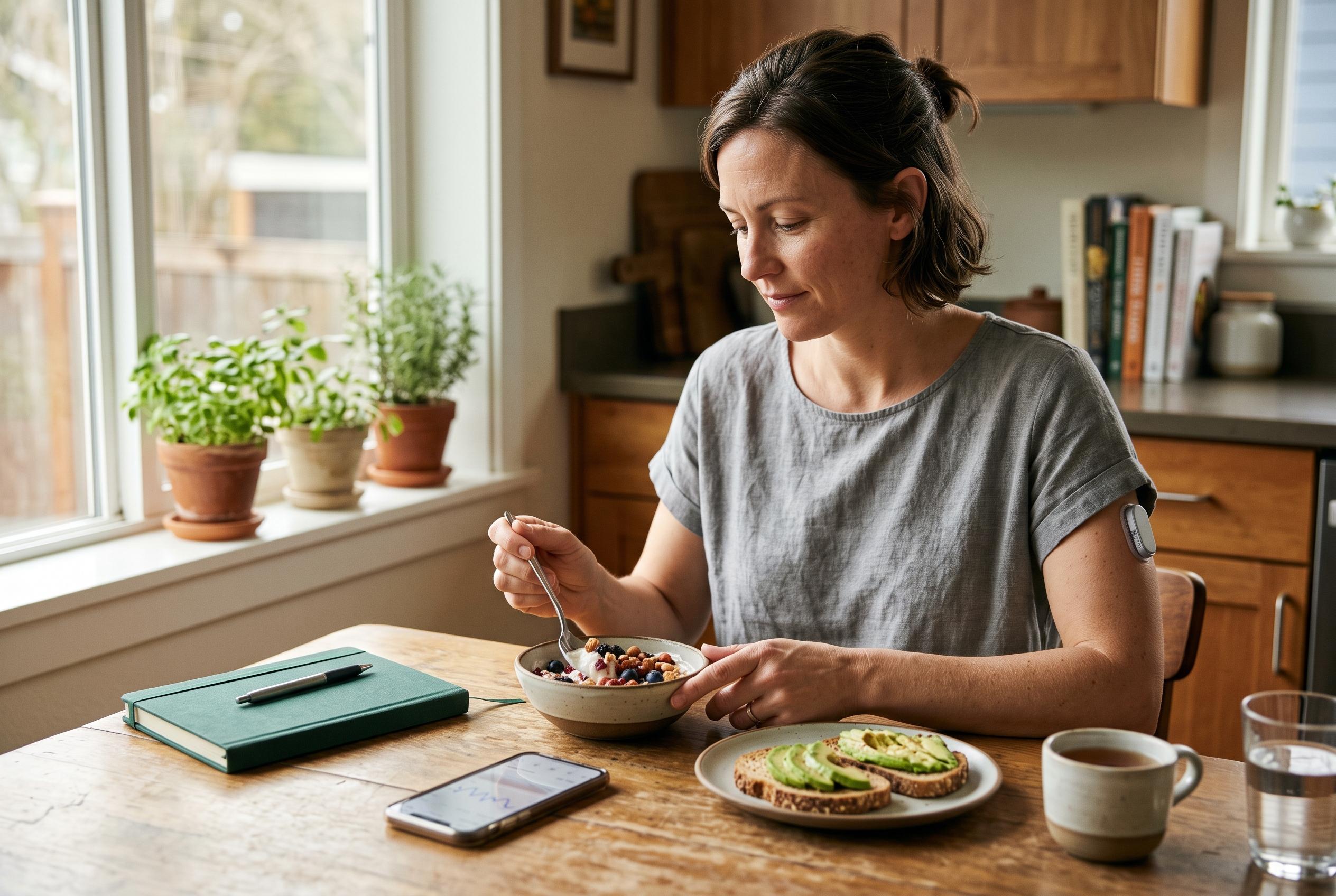

Actor Kunal Kapoor’s use of continuous glucose monitors reveals how food, activity, and stress uniquely affect blood sugar levels, underscoring the importance of personalised health tracking in wellness routines.
Kunal Kapoor’s recent blood-sugar experiment has tapped into a broader shift in health tracking, as continuous glucose monitors move well beyond traditional diabetes care and into everyday wellness routines. The actor said he wore a glucose-monitoring patch to understand how his body responds to food, movement and stress, and then shared the results publicly in a post on X.
Among the patterns Kapoor highlighted was a lower glucose rise after eating rice that had first been cooled and then reheated. That observation is consistent with research published on PubMed, which found that 32 people with type 1 diabetes had a significantly smaller post-meal blood glucose response after eating cooled and reheated rice than after freshly cooked rice. Scientists say cooling can encourage resistant starch to form, making the food less digestible, although the study also warned that people with diabetes should watch for hypoglycaemia when trying that approach.
Kapoor also said that eating vegetables and protein before carbohydrates seemed to blunt his glucose spike. Research cited by Cornell University and other medical sources has found that meal order can matter, with non-starchy vegetables and protein eaten before carbohydrates linked to lower post-meal glucose and insulin levels in people with type 2 diabetes and in other groups. The effect is not a universal rule, but it has emerged as a recurring finding in nutrition studies.
Timing of exercise appeared to matter too. Kapoor reported that a 20-minute walk after eating lowered his glucose response more than walking immediately. A 2023 systematic review and meta-analysis published in the medical literature found that exercise after meals reduced post-meal glucose excursions compared with no exercise and was more effective than exercising before eating, although the size of the effect varied from trial to trial.
He also noted that a stressful phone call appeared to shift his readings, underscoring how stress can affect glucose through hormones such as adrenaline and cortisol. Another of his observations was more surprising: sweet potato produced a larger spike for him than oats. Nutrition experts say that individual glucose responses can vary significantly depending on portion size, cooking method, meal composition, activity and personal metabolism, which is why the same food can produce different results from one person to another, or even on different days for the same person.
For people with diabetes or prediabetes, continuous glucose monitors can offer useful information, but they are not a substitute for medical testing or professional advice. Kapoor’s experiment is best read as a personal snapshot rather than a set of rules for everyone, but it reflects a wider point increasingly supported by research: food, movement and stress interact in ways that are often more complex than standard diet advice suggests.
Disclaimer: This content is for informational purposes only and is not intended to be a substitute for professional medical judgment, advice, diagnosis, or treatment.



