

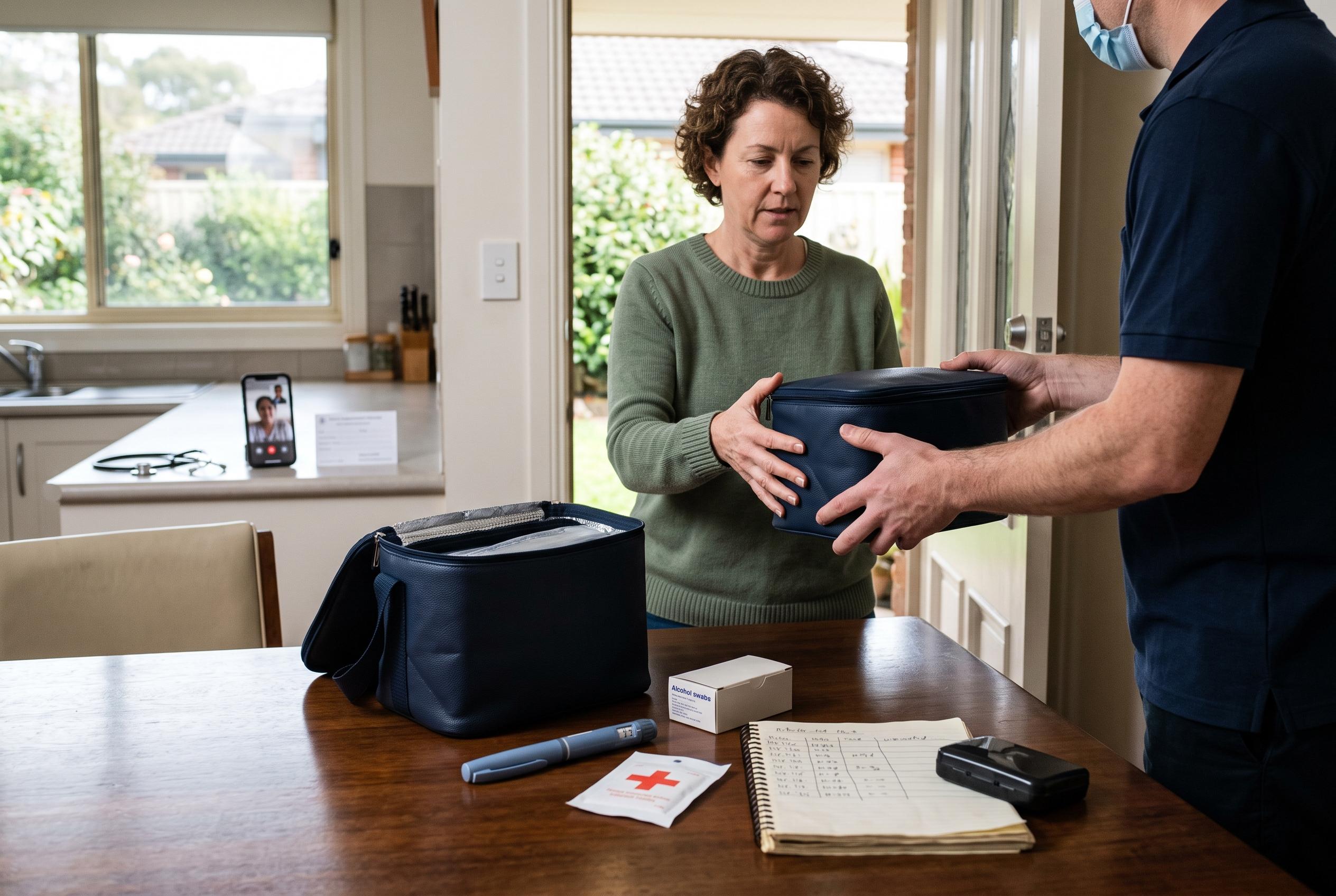

Eli Lilly’s initiative to deliver Mounjaro directly to patients’ homes prompts criticism from Australian doctors and pharmacists concerned over reduced clinical oversight and safety risks amid growing use of GLP-1 medications for diabetes and obesity.
Eli Lilly’s plan to sell Mounjaro through a home-delivery platform has triggered a sharp backlash from Australian doctors and pharmacists, who warn that direct-to-door dispensing of the weight-loss and diabetes drug could weaken safeguards around prescribing and review.
The company’s LillyDirect service is designed to take an electronic script from a doctor, route it through an online pharmacist and then send the medicine to a patient’s home. Eli Lilly says the model is meant to improve convenience and price transparency, and insists it does not replace the role of an independent prescriber or a registered pharmacist. But the Royal Australian College of GPs says the arrangement could strip away an important layer of clinical oversight for a medication class known for significant side effects and complex eligibility issues.
The concern is not just about convenience. The Pharmacy Guild of Australia and the Pharmaceutical Society of Australia have described the model as clinically inferior, arguing that it reduces face-to-face contact at the very point when warning signs might be picked up. Michael Wright, the RACGP president, said the risk is greater because many patients may already be obtaining scripts through telehealth providers, meaning the pharmacist filling the order may not have access to the patient’s full medical history. That, he said, can create avoidable safety problems.
Barbara Mintzes, a pharmacology academic at the University of Sydney, also criticised the idea of a drug maker building a direct relationship with people taking its own medicine. She said it placed patients in contact with the company marketing the treatment rather than with an independent health-care provider, adding that Lilly has a financial interest in keeping patients on therapy. The warnings come as GLP-1 medicines, including tirzepatide, have grown rapidly in popularity for type 2 diabetes and obesity, heightening scrutiny over how they are prescribed and monitored.
The debate also comes against a backdrop of supply and pricing tensions in Australia. The Therapeutic Goods Administration previously reported shortages of Mounjaro vials, which left all strengths unavailable for a period and forced patients to review treatment plans with their doctors. Separately, Eli Lilly abandoned the Pharmaceutical Benefits Scheme listing process after prolonged negotiations with the federal government, saying the price Australia was willing to pay was too low. That left some patients facing private costs of as much as $700 a month, a gap LillyDirect may partly narrow even as critics argue that lower prices do not justify a weaker model of care.
In response to the criticism, a Lilly Australia spokesperson said the platform works within existing regulatory rules and that Australian doctors still prescribe the medicine while Australian pharmacists review and dispense it. The company said pharmacists remain involved at every stage and can provide counselling to patients. Even so, the row reflects a wider concern in Australia’s medical community about the growing influence of telehealth, online prescribing and company-run distribution systems in areas where continuity of care can be crucial.
Disclaimer: This content is for informational purposes only and is not intended to be a substitute for professional medical judgment, advice, diagnosis, or treatment.



