

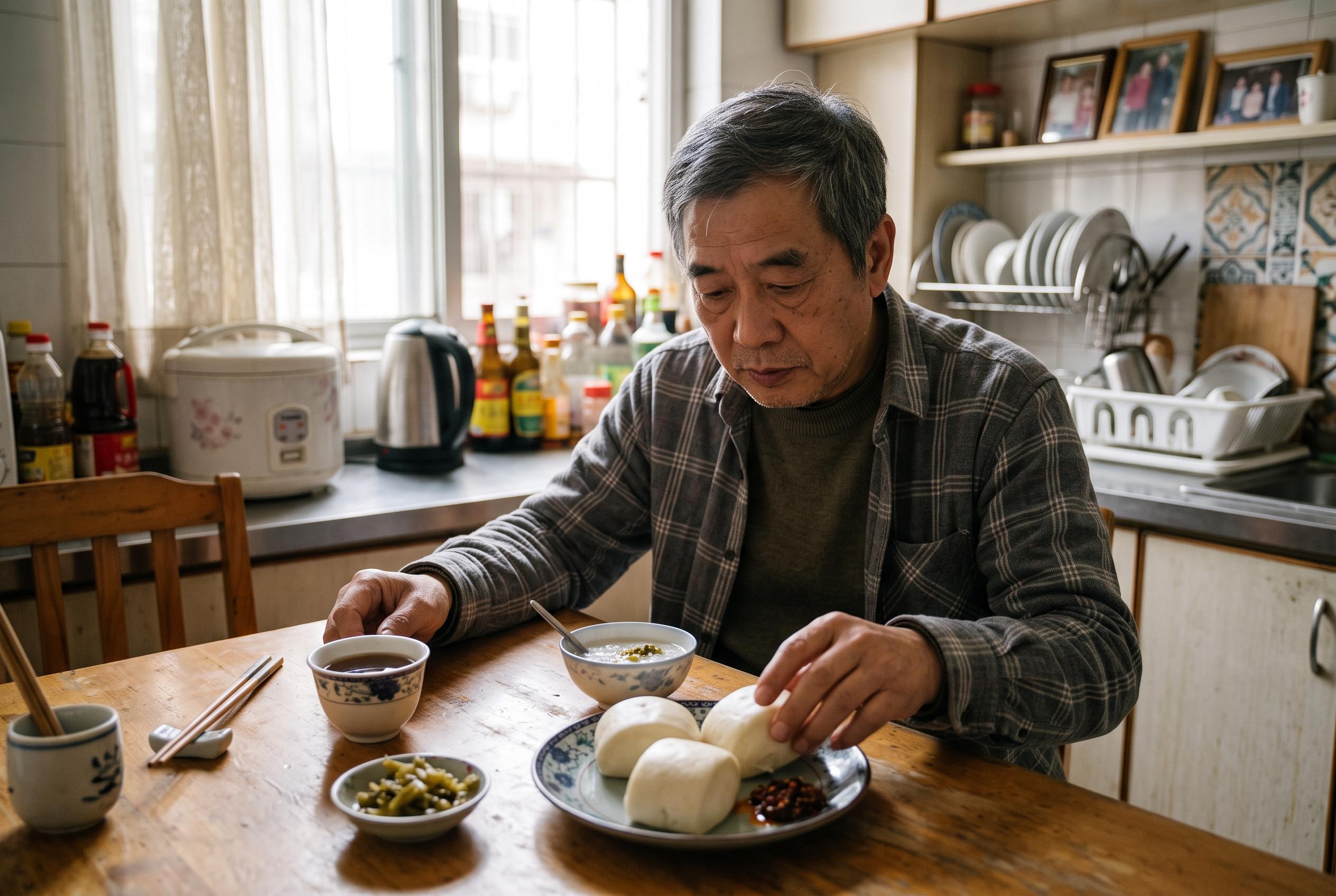

A Taiwanese doctor has warned that relying on refined-flour buns as a main meal for months can contribute to fatigue, weight gain and rising blood sugar.
An elderly man’s habit of living on frozen pork and spring onion buns for months after knee surgery has been used by a Taiwanese doctor to illustrate how an apparently simple convenience food can quietly push blood sugar higher. According to the report in Liberty Times, Lo Pei-lin described the case after the patient, who had previously not been known to have high blood pressure, high cholesterol or diabetes, returned with raised glycated haemoglobin, a blood glucose reading of about 140 and persistent fatigue.
The doctor’s point was not that a steamed bun is inherently dangerous, but that a diet built around refined flour, fatty fillings and very little fibre can become a metabolic problem when it is eaten repeatedly as a main meal. The patient had been struggling to cook after surgery, so he began relying on large packs of frozen buns from the supermarket and was eating them nearly every day for two to three months. That pattern matters because buns may look balanced on the surface, yet the vegetable content is usually minimal, while the dough is made from refined starch and the filling often contains added fat to create a richer, juicier texture.
Nutrition specialists have long warned that greasy and highly processed foods can slow digestion, leave people feeling bloated and make it easier to consume more calories than intended. Healthline notes that heavy, oily meals are associated with weight gain, poorer gut health and a higher risk of metabolic disease, while its separate review of fried foods links frequent consumption with a greater chance of type 2 diabetes and unhealthy cholesterol changes. Cleveland Clinic says diets high in fat and refined carbohydrates can also contribute to digestive discomfort and inflammation, which in turn may leave people feeling tired and run down.
In traditional Chinese medicine terms, Lo described this as the effect of “rich” food burdening the spleen and stomach, the systems believed to govern digestion and energy transformation. She said that when refined starch and oily fillings are eaten in excess, the body is thought to accumulate what Chinese medicine calls dampness and phlegm, a concept used to describe sluggish metabolism and the build-up of waste the body cannot readily clear. In modern medical language, the closest parallels are excess calorie intake, poor dietary quality, weight gain and rising blood sugar.
Her advice was straightforward: cut back on refined and heavily processed foods, reduce the frequency of frozen flour-based meals and fried items, and replace white flour with more filling carbohydrates such as oats or sweet potatoes. For older adults living alone, she suggested batch-cooking simple staples such as brown rice and freezing them in portions, then using one-pot meals that combine a carbohydrate, protein and vegetables in a single dish. The broader lesson, supported by MedlinePlus, is that recurring exposure to high-fat foods, including those containing trans fats, can raise bad cholesterol, lower good cholesterol and increase the long-term risk of diabetes and heart disease.
Disclaimer: This content is for informational purposes only and is not intended to be a substitute for professional medical judgment, advice, diagnosis, or treatment.



