
A Taiwanese doctor highlights that the benefits of chilling cooked starchy foods to lower blood sugar depend on the type of starch involved, with high-amylose foods showing greater resistance after cooling than those rich in amylopectin.
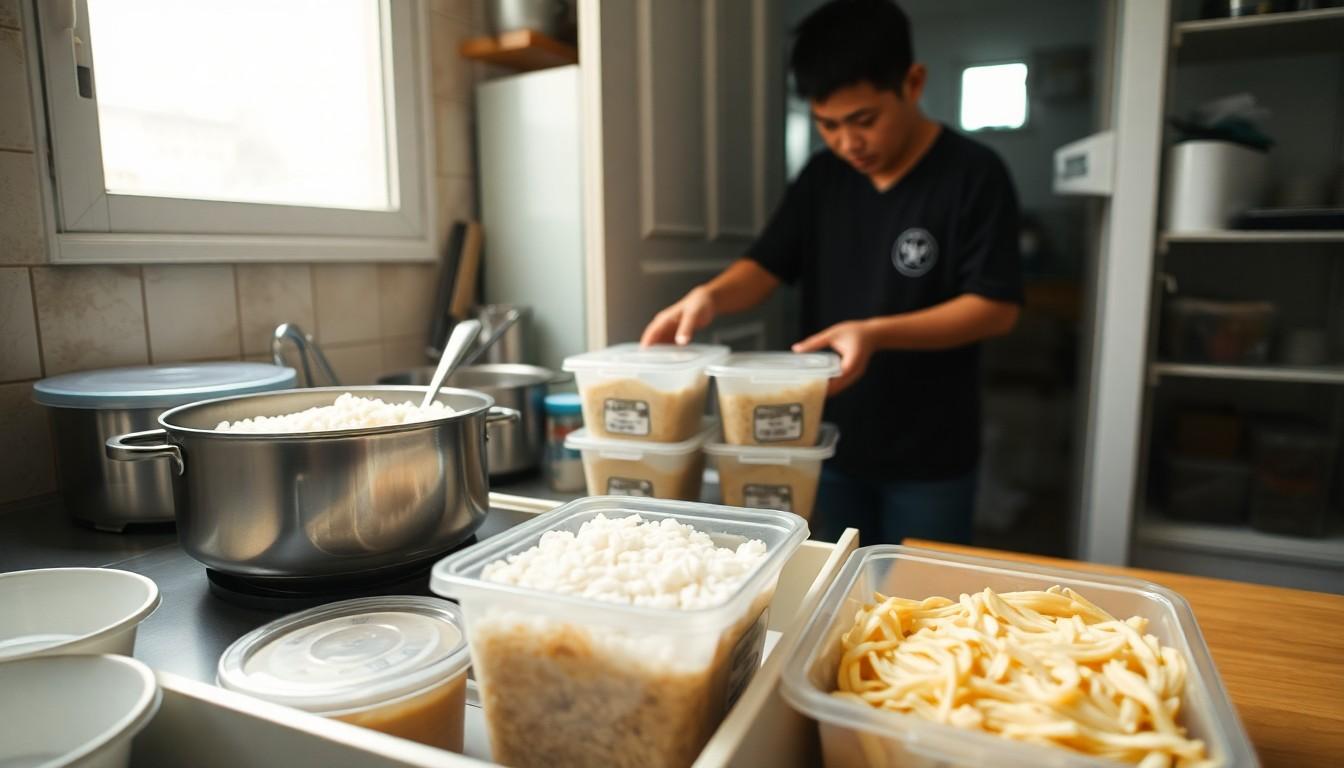
Freezing and reheating rice can blunt its impact on blood sugar, but the same trick does not work equally well for every starchy food, according to Taiwanese doctor Li Sihsien, who argues that the real issue is the kind of starch involved rather than whether it has simply been chilled. He says foods such as long-grain white rice, spaghetti, large russet potatoes and uncooked overnight oats are the ones most likely to develop more resistant starch after cooling, while sticky rice, sushi rice, baked sweet potatoes, steamed sweet potatoes, tapioca pearls and taro balls show only limited change even after refrigeration and reheating.
The explanation lies in the two main starch molecules found in food: amylose and amylopectin. As Li writes in posts on Facebook and his website, cooking causes starch granules to swell and break open, making them easier for digestive enzymes to attack and pushing blood glucose higher. When cooled, amylose can reorganise into a tighter structure that is less digestible, forming what scientists call resistant starch type 3. Amylopectin, by contrast, is too heavily branched to undergo the same transformation to any meaningful degree.
That distinction is backed by nutrition research. Healthline’s explainer on resistant starch says RS3 develops when certain cooked starches, including rice and potatoes, are cooled, while a review on PubMed Central describes amylose retrograding into structures that resist enzymatic digestion. Another paper in PubMed Central and a review in Nutrition Reviews both note that starch structure strongly affects digestibility and post-meal glucose and insulin responses, with higher-amylose foods generally producing a gentler blood sugar effect.
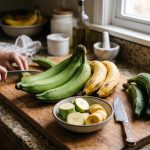
Li says that is why some popular foods are often misunderstood. Glutinous rice is made up almost entirely of amylopectin, leaving little room for cooling to make a difference. Sweet potatoes are another common misconception: he points out that high-heat baking can leave them with a particularly high glycaemic index, and once the starch has been heavily gelatinised, chilling is unlikely to undo much of that effect. By comparison, boiled sweet potatoes are less likely to send blood sugar soaring than baked ones.
Not every potato behaves the same way either. Li says red-skinned small potatoes are less effective at forming resistant starch than larger russet potatoes, while boiled russets that are chilled overnight can show a marked shift. He adds that pasta can become more resistant to digestion after three to five days in the fridge, and that oats consumed cold, rather than cooked into porridge, retain far more resistant starch. His broader message is simple: cooling can help, but only when the food’s natural starch profile and cooking method make that possible.
Disclaimer: This content is for informational purposes only and is not intended to be a substitute for professional medical judgment, advice, diagnosis, or treatment.