

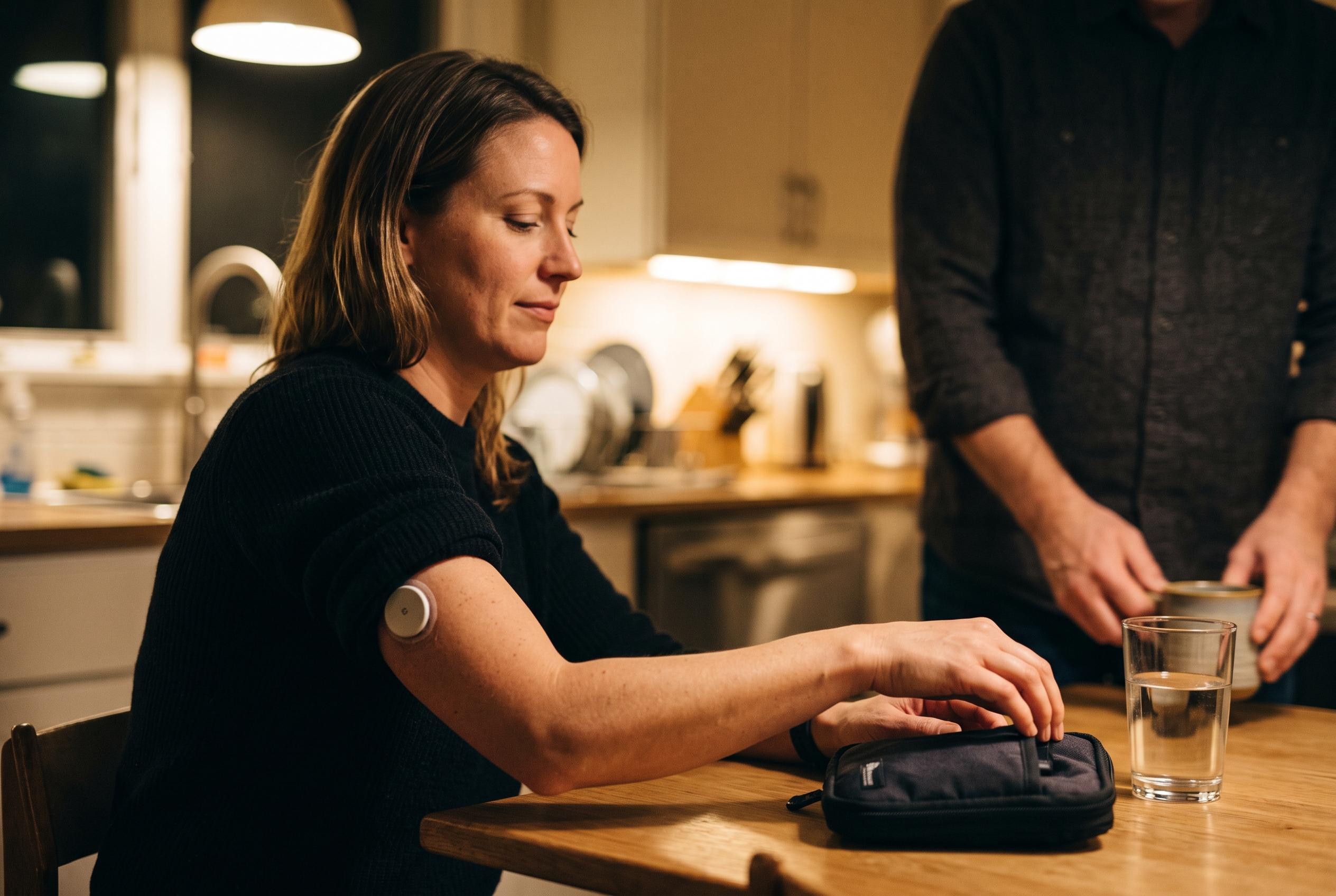

Advancements in continuous ketone monitoring technology promise earlier detection of diabetic ketoacidosis, potentially reducing hospital admissions and improving patient outcomes with new wearable devices gaining regulatory approval.
A new wave of continuous ketone monitoring technology is drawing attention as doctors look for better ways to spot diabetic ketoacidosis early and reduce the burden of a condition that causes more than 250,000 hospital admissions a year in the United States, according to the Centres for Disease Control and Prevention. DKA can affect people with both type 1 and type 2 diabetes, but the reasons it develops differ: missed insulin is the most common trigger in type 1 diabetes, while infection and other stressors are more often involved in type 2.
At the American Diabetes Association’s 2026 Scientific Sessions, Guillermo Umpierrez, a professor of medicine at Emory University School of Medicine, said the scale of the problem demands earlier detection. Viral Shah of Indiana University School of Medicine, who served on an ADA evidence-synthesis team on ketone monitoring, said the aim is to give healthcare professionals guidance that can also be passed on easily to patients and carers. That guidance begins with checking whether self-care is safe, then assessing ketone levels and trends, and ensuring access to unexpired insulin and, where relevant, considering stopping an SGLT2 inhibitor.
The appeal of continuous ketone monitoring is straightforward: current testing often depends on the patient deciding to test, and that can mean delays. Eden Miller, a family practitioner at Diabetes and Obesity Care LLC, said existing methods are limited by access and by the time it takes to share results, whereas continuous monitoring could provide a real-time, proactive warning system. The technology measures beta-hydroxybutyrate, the main ketone involved in DKA, from interstitial fluid beneath the skin, and can pick up rising ketones earlier than urine tests and without waiting for glucose levels to climb.
That promise is beginning to move from theory to practice. In May, the first dual glucose-ketone sensor received European approval for use in people with diabetes, and the U.S. Food and Drug Administration has now authorised the first wearable device that continuously monitors both glucose and ketone levels for people aged two and older. In the FDA’s review, the device was supported by data from six studies involving about 600 participants, which indicated it could identify raised ketone levels before DKA developed.
The scientific case is also strengthening. A study in Diabetes Technology & Therapeutics found that continuous ketone monitoring produced clinically accurate beta-hydroxybutyrate readings in adults with DKA and appeared to identify DKA resolution about 55 minutes earlier than standard care. But the technology remains contested. In a debate at the ADA meeting, Jennifer Sherr of Yale School of Medicine argued that passive data collection and earlier intervention could make a meaningful difference, while Jeremy Pettus of the University of California, San Diego, warned that the devices are not yet ready for broad adoption because they may create confusing data, add anxiety and increase costs. For now, the question is less whether continuous ketone monitoring has potential than how quickly it can prove that it improves outcomes in everyday care.
Disclaimer: This content is for informational purposes only and is not intended to be a substitute for professional medical judgment, advice, diagnosis, or treatment.



