

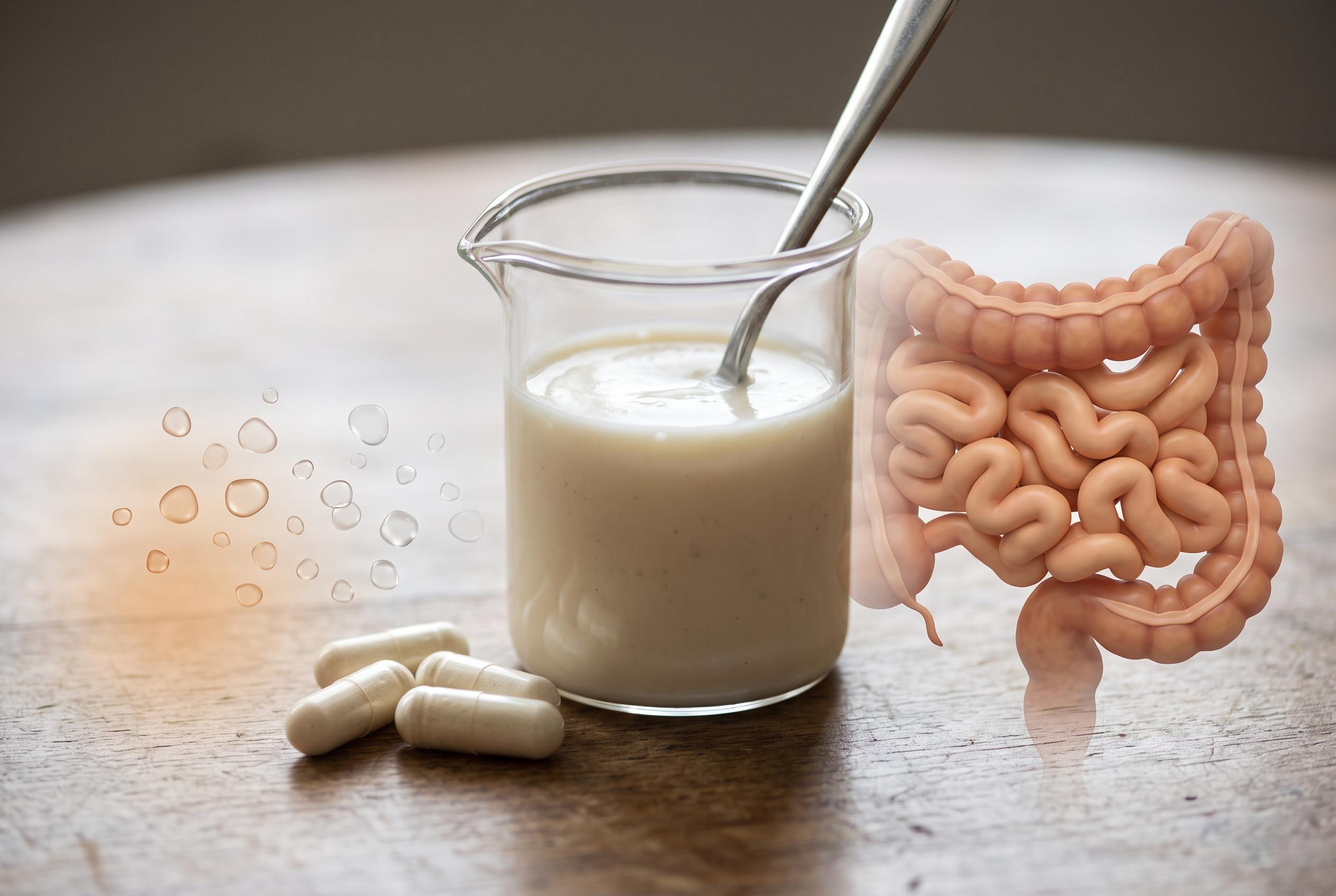

A groundbreaking probiotic engineered by Chinese researchers has shown promise in detecting high blood sugar and releasing a glucose-lowering hormone in animal studies. If successful in humans, it could revolutionise diabetes treatment by offering a simple, gut-based therapy that reduces reliance on daily medications or injections.
Chinese researchers say they have engineered a probiotic that could one day make diabetes management as simple as taking a capsule or drinking a fermented drink. The modified bacterium is designed to detect high blood sugar and then release a glucose-lowering hormone, and the team says its performance in animals was broadly comparable with Ozempic, a widely used diabetes and weight-loss medicine. East China Normal University in Shanghai has filed patents and is preparing to scale production to pharmaceutical standards for Western markets. Research published in Nature has helped fuel wider interest in microbiome-based treatments that aim to influence metabolism through the gut. Probiotic and microbiota studies in recent years have reported improved blood-sugar control in mice and, in some cases, reduced glycated haemoglobin in people with type 2 diabetes.
The approach taps into a broader scientific idea: that bacteria in the gut can be engineered or nudged to affect metabolism rather than simply serving as passive supplements. Earlier studies cited in Nature have found that fermentation products such as butyric acid can influence blood glucose and insulin regulation in diabetic mice, while other work has linked specific probiotic strains to better glucose tolerance and lower visceral fat. A separate clinical trial involving 409 participants found that berberine, with or without probiotics, reduced glycated haemoglobin, underlining the commercial interest in gut-based therapies for diabetes.
The promise is significant because diabetes remains one of the world’s most common chronic illnesses, affecting hundreds of millions of adults and often requiring daily tablets or insulin injections. But the road from promising animal data to a product on pharmacy shelves is long. Any probiotic sold as a supplement in the United States would still need to clear manufacturing, safety and regulatory hurdles, and claims of medical benefit would face closer scrutiny than ordinary yoghurt-style products.
For now, the Chinese team’s work sits at the intersection of synthetic biology, nutrition and chronic disease care. If the strategy translates beyond the laboratory, it could open a new category of live therapies that act only when needed, potentially reducing treatment burden for patients and widening the options available to doctors. Yet, as with many microbiome-led ideas, the key test will be whether the results seen in mice can be repeated reliably in people.
Disclaimer: This content is for informational purposes only and is not intended to be a substitute for professional medical judgment, advice, diagnosis, or treatment.



