
Lobia, or white beans, are increasingly recognised for their role in stabilising blood sugar and supporting weight loss, offering a nutritious and affordable addition to a balanced diet, with proper preparation key to their benefits.
White beans, known in India as lobia, are increasingly being framed as a practical food for people trying to manage blood sugar and body weight. Healthline says white beans are high in protein and fibre, with a low glycaemic index that can help limit sharp rises in blood sugar after meals, while the American Diabetes Association has been cited as recommending beans several times a week for better glucose control. That combination makes them a useful option for people with diabetes, though they are best seen as part of an overall balanced diet rather than a stand-alone solution.
Their appeal for weight management is straightforward: beans are filling without being calorie-dense. Cleveland Clinic says beans can help with weight control because their mix of fibre and plant protein helps people feel satisfied for longer, reducing the urge to snack between meals. Healthline likewise notes that beans may support weight loss by helping curb hunger and by offering a relatively inexpensive source of protein and fibre that fits into many meals.
Beyond blood sugar and satiety, white beans also provide a useful spread of nutrients. Healthline lists folate, magnesium and vitamin B6 among their key contributions, along with protein and fibre, while Cleveland Clinic points to their antioxidant content and broader role in supporting digestive and heart health. In practical terms, that means lobia can do more than simply replace a higher-calorie ingredient; it can add nutritional value to a meal in its own right.
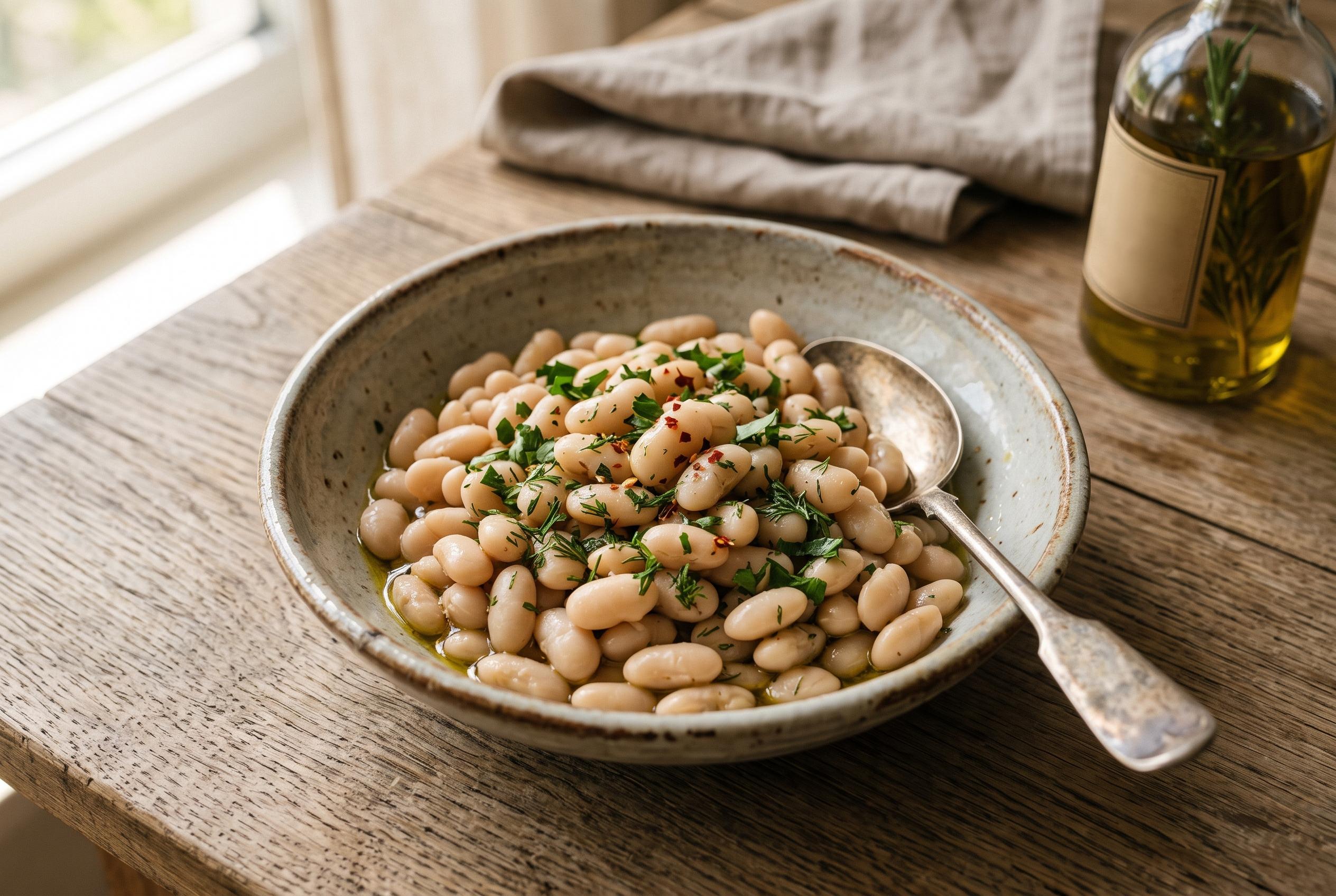
The easiest way to include lobia is also the most familiar: soak it, cook it well and use it in salads, stews, soups or lightly spiced dishes. Healthline says beans can be made more palatable with herbs and spices such as cumin, garlic and sage instead of excess salt, which is especially useful for people trying to protect heart health. The key caution is preparation: beans should be thoroughly cooked, and anyone with digestive problems or a medically prescribed diet should take professional advice before making them a daily staple. Kidney beans and lima beans are also cited as examples of beans that need proper cooking to be safe, reinforcing the broader rule that preparation matters as much as the ingredient itself.
Disclaimer: This content is for informational purposes only and is not intended to be a substitute for professional medical judgment, advice, diagnosis, or treatment.