

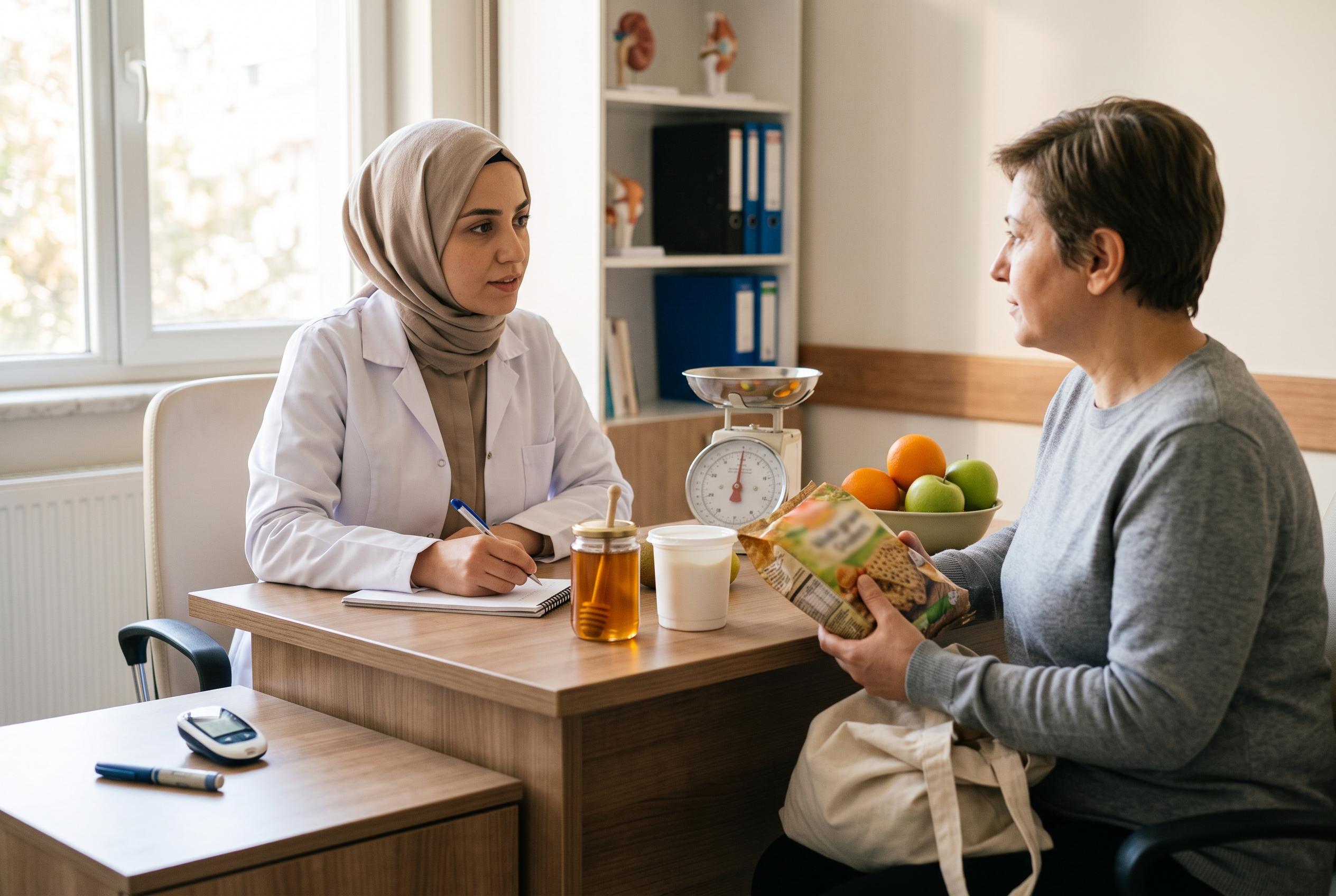

A dietitian at Sivas Numune Hospital stresses the importance of controlling sugar intake as Turkey observes World Sugar Awareness Week, urging consumers to read labels and opt for healthier alternatives to reduce risks linked to excessive sugar consumption.
During World Sugar Awareness Week, a dietitian at Sivas Numune Hospital has urged people to pay closer attention to how much sugar they consume each day, warning that it often appears in more foods and drinks than many consumers realise. Fatma Tuğba Şölen said the aim is not to eliminate sugar entirely, but to keep intake under control as part of a balanced diet.
According to the hospital’s statement on the awareness campaign, Şölen said sugar can be found not only in obvious sweet foods such as honey, molasses and jam, but also in chocolate, wafers and other packaged snacks, as well as in cola, fruit juice and fizzy drinks, whether naturally present or added during processing. She said excessive intake can contribute to weight gain, obesity, insulin resistance, diabetes and tooth decay, adding that foods and drinks with high levels of added sugar should be limited and portion sizes kept in check.
Şölen also pointed to small changes that can make a difference. She said water and ayran, a yoghurt-based drink, are better choices than sugary beverages, while milk-based desserts or fruit can be preferred over syrup-heavy sweets. She also stressed the value of reading labels on packaged foods, saying that informed choices are an important part of healthy eating habits.
The advice fits with wider public health guidance in Turkey during the same awareness period. The Ministry of Health has used the annual campaign to encourage lower consumption of high-sugar foods and to push producers towards reduced-sugar products, according to programme materials from the ministry and Sivas Numune Hospital. Health experts generally agree that cutting back on added sugar is best done through practical, sustainable changes rather than abrupt or overly restrictive diets.
Disclaimer: This content is for informational purposes only and is not intended to be a substitute for professional medical judgment, advice, diagnosis, or treatment.



